Why Do My Legs Go Numb Sitting in Office Chair?
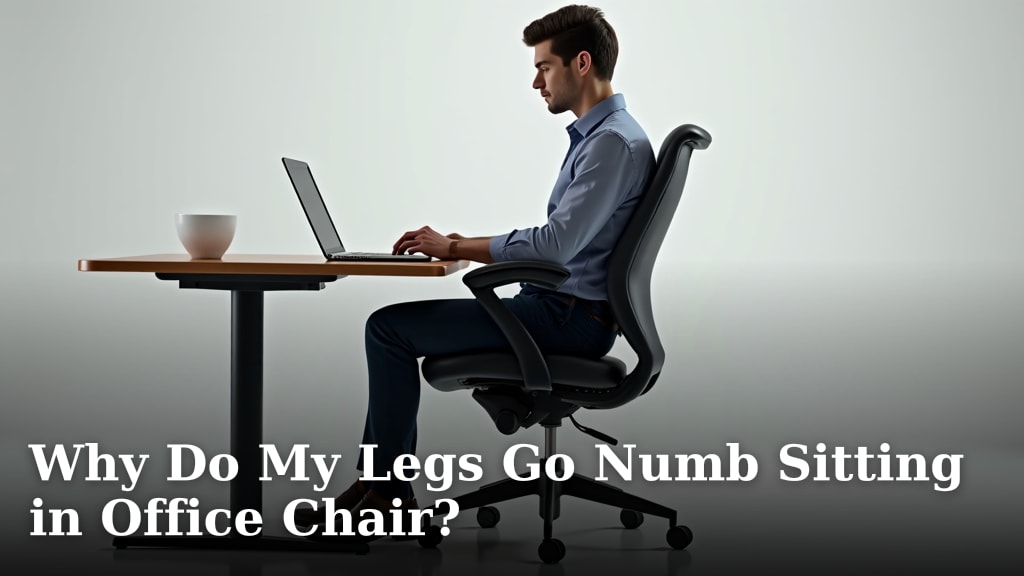
Your legs go numb sitting in an office chair primarily because of poor circulation or nerve compression. When you sit for long periods, pressure on certain nerves and blood vessels can restrict blood flow, leading to that pins-and-needles sensation or complete numbness.
This common issue, often called “paresthesia,” happens when nerves send faulty signals to your brain. It’s usually temporary and caused by factors like improper posture, a poorly adjusted chair, or even just sitting still for too long. Ever notice your foot “falling asleep”? It’s the same idea happening in your legs.
TL;DR:
- Numb legs are often due to reduced blood flow or nerve pressure.
- Bad posture and unsupportive chairs are common culprits.
- It’s usually a temporary problem from sitting too long.
- Adjusting your sitting habits can often fix it.
Let’s walk through exactly why your legs might be going numb and what you can do about it.
Unpacking the Numbness: Why Your Legs Tingle and Fall Asleep
You’re probably wondering what’s really happening when your legs go numb. It’s not just a random inconvenience. We found that the main culprits are often related to how your body interacts with your office chair. Think of it like a hose — if you pinch it, water stops flowing. Your body works similarly with blood and nerves.
The Primary Mechanisms: Circulation vs. Nerve Pressure
When your legs go numb, it usually boils down to one of two things: poor blood circulation or nerve compression. Sometimes, it’s even a combination of both. Understanding which one is at play can help you find the right solution.
Reduced Blood Flow: The Circulation Story
Imagine your blood vessels as tiny highways delivering oxygen and nutrients. When these highways get blocked or squeezed, traffic slows down. This is what happens with poor circulation. Sitting in certain positions can put pressure on your arteries and veins, especially in your thighs and behind your knees.
If blood flow is restricted for too long, your leg muscles and nerves don’t get the oxygen they need. This can lead to that familiar tingling, burning, or complete numbness. It’s your body’s way of telling you to change position and get the blood flowing again.
Nerve Compression: The Pinched Nerve
Your nerves are like electrical wires carrying signals between your brain and your body. When a nerve gets squeezed or pinched, these signals get disrupted. This disruption causes the “pins and needles” sensation, also known as paresthesia (National Institute of Neurological Disorders and Stroke).
Common nerves affected when sitting include the sciatic nerve (running down the back of your leg) and the peroneal nerve (near your knee). Your chair, your posture, and even how you cross your legs can put direct pressure on these sensitive nerves.
Many experts say that sustained pressure can irritate the nerve, causing it to send those funny signals. It’s like a kink in a garden hose; the signal can’t get through clearly.
Your Chair’s Role: Is Your Office Chair the Culprit?
Often, the very thing meant to support you, your office chair, can contribute to leg numbness. It’s not always the chair’s fault, but rather how you use it. A poorly adjusted or unsuitable chair can set you up for discomfort. Understanding if a bad office chair can cause back pain might also shed light on related discomforts.
Ergonomics Gone Wrong: The Setup Matters
An ergonomic chair is designed to support your body’s natural curves. But even the best chair can cause problems if it’s not set up correctly for your body. Think about your desk height, chair height, and how close you are to your keyboard. These all play a role in your overall posture.
Many people sit too low or too high, or their chair seat is too deep. These common mistakes can lead to pressure points on your legs. We found that a proper setup can make a huge difference.
Common Chair Features That Cause Issues
Some chair features, while seemingly helpful, can worsen leg numbness. For example, a chair with a hard, unpadded seat can press directly on the nerves and blood vessels in your thighs. A seat pan that’s too long can hit the back of your knees, cutting off circulation.
Similarly, rigid armrests that are too high can cause you to shrug your shoulders, leading to other posture problems that affect your lower body. It’s a chain reaction. Do your armrests dig into your thighs? That’s a red flag.
Let’s look at some common chair-related issues:
| Chair Feature Issue | How It Affects Your Legs | Quick Fix |
|---|---|---|
| Seat pan too deep | Pressure behind the knees, restricts circulation. | Adjust seat depth; use a lumbar pillow to push you forward. |
| Seat height too low/high | Feet not flat on floor or thighs pressed against seat. | Adjust chair height so feet are flat and knees are at 90 degrees. |
| Hard, unpadded seat | Direct pressure on glutes and hamstrings, compressing nerves. | Add a seat cushion for better weight distribution. |
| Chair edge cutting off circulation | Sharp edge of seat presses into thighs. | Choose a chair with a waterfall front edge design. |
Your Posture’s Impact: How You Sit Matters Most
Even with a perfect chair, your sitting posture is a huge factor. How you hold your body can either promote healthy circulation and nerve function or create problems. Small adjustments can make a big difference.
The Perils of Crossing Your Legs
Crossing your legs is a common habit, but it’s a major contributor to leg numbness. When you cross your legs, you often compress the peroneal nerve located just below your knee. This nerve runs close to the surface and is easily squeezed.
You also put uneven pressure on your hips and pelvis. This can misalign your spine over time. Many health resources, like the Cleveland Clinic, advise against prolonged leg crossing for these reasons.
Slouching and Its Downstream Effects
Slouching might feel comfortable for a moment, but it’s terrible for your spine and overall circulation. When you slouch, you round your lower back. This puts strain on your spinal discs and can indirectly affect the nerves leading to your legs.
Additionally, slouching often means you’re not using your core muscles. This leads to more reliance on your chair for support. It can also cause your thighs to lift off the seat, putting more pressure on your tailbone and hamstrings.
Static Sitting: The Enemy of Circulation
The human body isn’t designed for prolonged static sitting. We’re meant to move! Sitting still for hours means your muscles aren’t contracting, which helps pump blood back to your heart. This lack of movement slows down blood flow.
This is why taking frequent breaks is so important. Even small movements can make a difference. Think of your body as a dynamic system, not a statue.
Addressing the Issue: Steps to Prevent Numb Legs
Good news: most cases of leg numbness from sitting are easily remedied. You don’t need a complete overhaul to feel better. Often, simple, consistent changes are enough.
Optimizing Your Ergonomic Setup
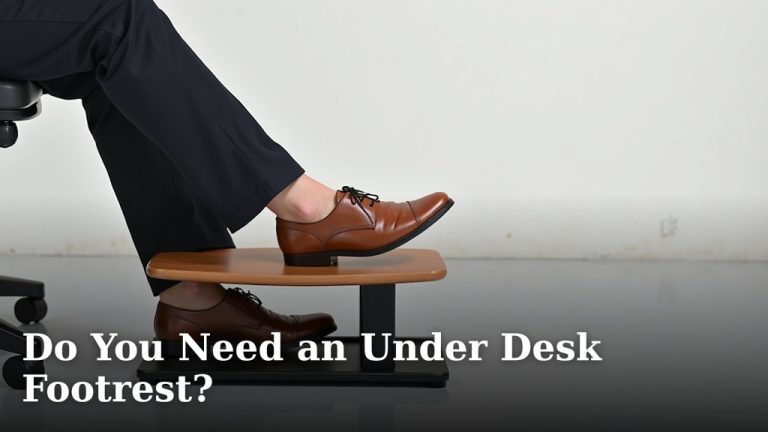
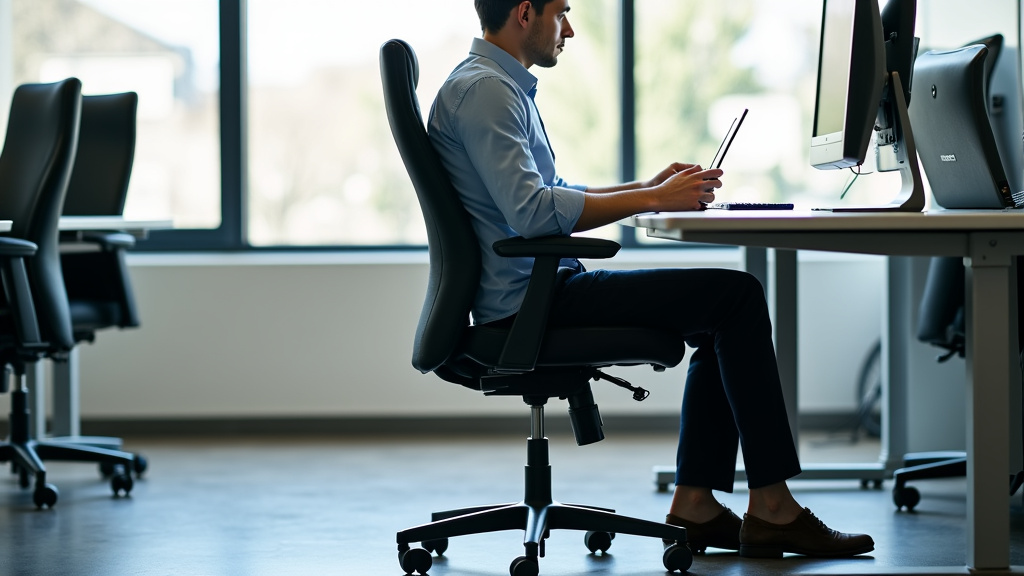
Start with your chair. Adjust its height so your feet are flat on the floor and your knees are roughly at a 90-degree angle. Your hips should be slightly higher than your knees. If your feet don’t reach, use a footrest.
Ensure the seat pan isn’t too deep. There should be a 2-4 finger-width gap between the edge of your seat and the back of your knees. This prevents pressure on those critical blood vessels and nerves.
Your armrests should support your arms without causing your shoulders to hunch. Your wrists should be straight when typing, not bent up or down. These small tweaks add up to a much more comfortable experience.
Movement and Micro-Breaks Are Key
This is perhaps the most important advice. Set a timer to remind yourself to move every 30-60 minutes. Even standing up and stretching for a minute or two can help significantly. Walk to the water cooler, stand during a phone call, or do some simple leg exercises at your desk.
Think of these as “movement snacks” throughout your day. They keep your blood flowing, your nerves happy, and your muscles engaged. Your body will thank you for it!
Here’s a quick checklist for preventing numb legs:
- Adjust your chair height so feet are flat.
- Ensure your seat isn’t cutting into the back of your knees.
- Avoid crossing your legs for extended periods.
- Take short breaks to stand and stretch every hour.
- Consider a footrest if your feet don’t touch the floor.
- Use a lumbar support pillow to maintain good posture.
Simple Exercises to Improve Circulation
While taking breaks, try these easy exercises to boost blood flow:
- Ankle Circles: Rotate your ankles clockwise and counter-clockwise a few times.
- Calf Raises: Stand up and raise yourself onto your toes, then lower. Repeat several times.
- Leg Extensions: While seated, straighten one leg parallel to the floor, hold for a few seconds, then lower. Alternate legs.
These simple movements can reactivate your muscles and get that circulation pumping again. We found that incorporating these little movements can drastically reduce episodes of numbness.
Conclusion
You now understand why your legs might be going numb while sitting: it’s often a mix of poor circulation and nerve compression. Simple adjustments to your chair, a focus on better posture, and regular movement breaks are powerful tools. Don’t let prolonged sitting lead to discomfort and long-term issues. Your body is designed to move, and even small changes can make a big difference.
Take charge of your comfort today. Start by checking your chair setup and making one small change. Your legs will thank you for it!
Frequently Asked Questions
Is numbness from sitting a sign of a serious health problem?
For most people, leg numbness from sitting in an office chair is temporary and not a sign of a serious medical condition. It usually resolves quickly once you change position or move around. However, if numbness is persistent, severe, or accompanied by other symptoms, you should talk to a doctor.
Can a standing desk prevent my legs from going numb?
Yes, a standing desk can significantly help. Alternating between sitting and standing reduces prolonged pressure on nerves and blood vessels in your legs. It encourages more movement throughout the day, which boosts circulation and reduces the likelihood of numbness. If you’re considering a standing desk, our guide to the best office chair for standing desk setups can help you choose the right companion.
How long is too long to sit without moving?
Experts generally recommend that you should aim to move or stand up for at least 5-10 minutes every hour. Sitting for more than 30-60 minutes continuously without a break can start to cause issues with circulation and nerve compression.
Does being overweight increase the chance of leg numbness while sitting?
Being overweight can increase the pressure on your nerves and blood vessels, especially in your lower body. This additional pressure can make you more prone to experiencing leg numbness when sitting for extended periods. Maintaining a healthy weight can help reduce this risk.
What kind of seat cushion is best to prevent numb legs?
Look for a seat cushion that offers good pressure distribution. Memory foam, gel, or a combination of materials can be effective. A wedge-shaped cushion can also help tilt your pelvis forward, promoting better posture and reducing pressure points on your thighs and tailbone.