Can Office Chair Casters Damage Hardwood Floors?
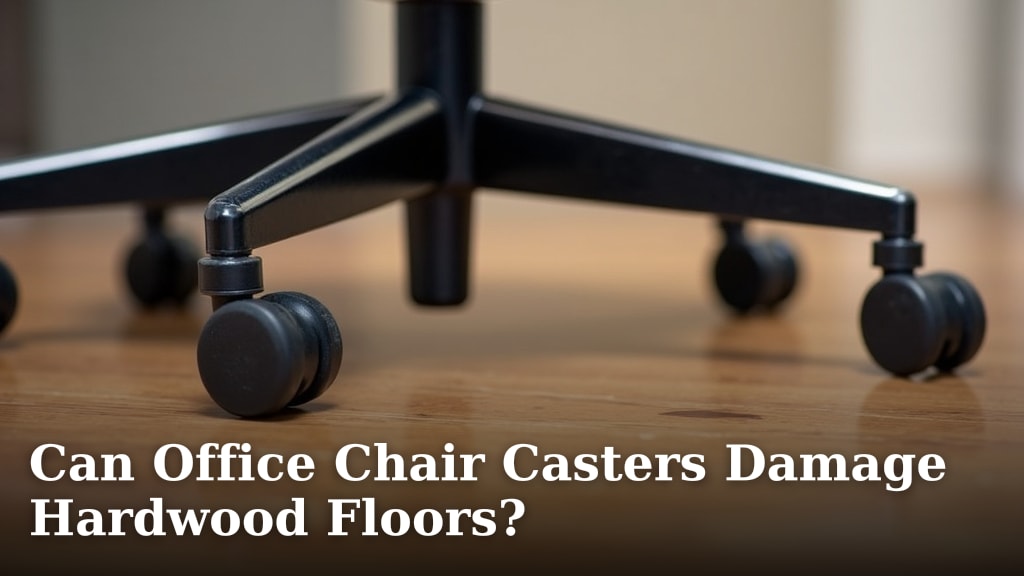
Yes, your office chair casters can damage hardwood floors if you’re not careful. The type of wheels and how you use them play a big role. It’s an easy problem to prevent with a few simple steps.
Those hard plastic wheels on many office chairs often create scratches or scuffs. Over time, these can lead to noticeable wear and tear on your beautiful wood flooring. But don’t worry, there are easy solutions available for you.
- Standard chair wheels can scratch wood.
- Softer wheels protect your floors better.
- Floor mats offer excellent protection.
- Regular cleaning helps prevent damage.
We’ll walk you through exactly how this happens and what you can do to keep your hardwood floors looking great.
How Office Chair Wheels Can Harm Hardwood Floors
Yes, your office chair wheels can definitely harm hardwood floors. It’s a common issue we hear about. The main culprits are the wheel material and trapped debris.
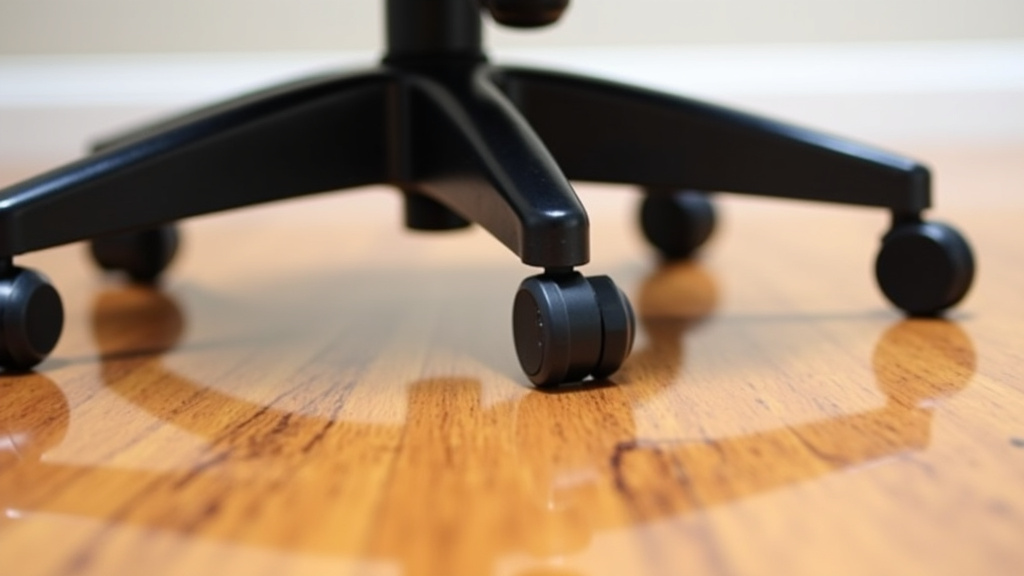
Imagine tiny, hard rocks constantly rubbing against your beautiful wood. That’s essentially what can happen. Over time, this leads to scratches, scuffs, and even deep gouges.
The Problem with Standard Casters
Most office chairs come with standard, hard plastic or nylon casters. These are usually fine for carpeted surfaces. They allow you to glide around with ease on soft floors.
But when these hard wheels meet a hard surface like wood, it’s a different story. They don’t have much give. This creates a high-friction situation that can damage your floor’s finish.
Hard Plastic vs. Wood: A Mismatch
Think of it like this: your hardwood floor has a protective finish, but it’s not indestructible. Standard chair wheels are often made from materials like hard nylon or polypropylene. These materials are sturdy but unforgiving.
Every time you roll, pivot, or scoot your chair, these hard wheels apply pressure. This continuous action creates tiny abrasions. Eventually, these tiny marks become visible wear patterns.
The Role of Dirt and Debris
It’s not just the wheel material itself. Dust, dirt, pet hair, and tiny grit get caught on the casters. These small particles act like sandpaper. As you roll, these particles get ground into your floor.
We found that keeping your casters clean is just as important as the caster material. Even soft wheels can cause issues if they’re covered in grime.
Identifying Damage: What to Look For
How do you know if your office chair is already causing trouble? Look closely. Sometimes the damage starts subtly. Early detection can help you prevent worse issues.
You might notice a few types of damage. Pay attention to the areas where you move your chair most often. This is typically right under your desk.
Common Types of Floor Damage
There are a few tell-tale signs that your casters are not playing nice with your floors. These range from minor cosmetic issues to more significant wear.
Scratches and Scuffs
These are the most common problems. Scratches are thin lines that appear on your floor’s surface. They can be light or deep. Scuffs are wider, less defined marks, often looking like a smudge.
You might see them more clearly in certain lighting. Angling your head and looking across the floor often reveals them. These usually happen from the caster material itself or trapped debris.
Dents and Gouges
Dents are small indentations. Gouges are deeper, more noticeable cuts or channels. These are less common but more severe. They can happen if a wheel rolls over a sharp object or if a chair leg drops directly onto the floor.
While often not directly from the caster, a heavily loaded chair with hard wheels can push small, sharp debris into the wood, creating these deeper marks.
Finish Wear and Dull Spots
Over time, constant friction can wear down your floor’s protective finish. You might notice areas where the wood looks duller or less shiny. This is the finish slowly eroding away.
Once the finish is gone, the raw wood is exposed. This makes it much more susceptible to moisture damage and further wear. It’s a sign that protection is urgently needed.
Preventative Measures: Protecting Your Hardwood
The good news is that preventing office chair damage to your hardwood floors is quite straightforward. You have several effective options. Let’s explore the best ways to keep your floors pristine.
Upgrade Your Casters
This is often the most effective solution. Swapping out your hard casters for floor-friendly ones makes a huge difference. It’s a simple change that offers big protection.
The Benefits of Soft Casters
Softer casters, often made of polyurethane or rubber, are designed for hard surfaces. They provide better grip and glide smoothly without scratching. We found that these are a top recommendation from flooring experts.
Think of them like rollerblade wheels. They’re soft enough to cushion the impact and roll gently. They also tend to be quieter. Many experts say they distribute weight better too (Wood Floor Business).
| Caster Type | Material | Best For | Hardwood Floor Safety |
|---|---|---|---|
| Standard Hard Plastic | Nylon, Polypropylene | Carpet | Poor (high risk of scratches) |
| Soft Rubber/Polyurethane | Rubber, Polyurethane | Hardwood, Tile, Laminate | Excellent (low risk of damage) |
Use a Floor Mat
A good chair mat creates a protective barrier between your chair and your floor. This is a very common and effective solution. It bears the brunt of the wear and tear, not your floor.
Choosing the Right Mat
When selecting a mat, make sure it’s designed for hardwood floors. These mats usually have a smooth, non-studded underside to prevent slipping without marking the wood. They come in various materials, like polycarbonate or PVC.
Size matters too. Ensure the mat is large enough to cover your entire range of motion. You don’t want to roll off the mat frequently. This would expose your floor to damage at the edges.
Regular Cleaning and Maintenance
Don’t underestimate the power of cleanliness. A clean environment means less grit to get caught in your wheels. This simple habit can save your floors from a lot of wear.
Caster and Floor Cleaning Tips
- Wipe down casters regularly: Once a week, flip your chair over and wipe the wheels with a damp cloth. Remove any hair, dust, or debris.
- Vacuum or sweep often: Keep your floor clean, especially in your work area. This reduces the amount of loose grit available to get stuck in your wheels.
- Check for loose objects: Before you roll your chair, quickly scan your floor for small stones, paper clips, or anything that could be dragged around.
- Clean spills immediately: Moisture can damage hardwood. Clean up any liquid spills right away to protect your floor’s finish.
Consider Area Rugs
If a dedicated chair mat isn’t your style, an area rug can serve a similar purpose. It adds warmth and style to your space while protecting your floors.
Rug Selection for Chair Protection
Choose a rug that is durable and has a relatively low pile. A thick, shaggy rug might make it difficult to roll your chair smoothly. Make sure you use a non-slip rug pad underneath to prevent the rug from sliding and to add extra cushioning.
This option combines aesthetics with practicality. Just be aware that continuous chair movement might still wear down the rug itself over time, but that’s easier to replace than your floor.
Your Quick Checklist for Floor Protection
To keep your hardwood floors safe from office chair damage, here’s a simple checklist to follow:
- Replace hard plastic casters with soft, rubberized wheels.
- Place a chair mat specifically designed for hardwood floors.
- Clean your chair casters weekly to remove debris.
- Vacuum or sweep the floor around your desk daily.
- Consider using a durable, low-pile area rug.
- Lift your chair slightly when moving it a long distance.
Conclusion
Protecting your beautiful hardwood floors from office chair damage is easier than you think. By understanding how standard casters and trapped debris cause wear, you can take simple, effective steps. Whether it’s upgrading to soft, polyurethane wheels, investing in a quality chair mat, or simply keeping things clean, your floors will thank you.
Don’t wait for visible scratches or dull spots to appear. Be proactive today. Choose the solution that best fits your workspace and budget, and enjoy a pristine floor for years to come.
Frequently Asked Questions
Can I just put felt pads on my existing chair wheels?
While felt pads can offer some temporary protection, they aren’t ideal for office chair casters. They can wear down quickly, collect dirt, and may even shift or peel off. For lasting protection, upgrading to proper soft casters or using a mat is much more effective.
Are all “soft” casters the same for hardwood floors?
Not all soft casters are created equal. Look for wheels specifically advertised as “rollerblade style” or made from polyurethane or rubber. These materials offer the best combination of durability and floor protection. Avoid softer plastic wheels, which can still be too hard for hardwood.
How often should I clean my chair casters?
We recommend a quick caster cleaning at least once a week, especially if you have pets or a dusty environment. Flipping your chair over and wiping the wheels takes just a minute. This prevents debris from building up and causing scratches.
Will an area rug completely protect my hardwood from chair damage?
An area rug provides good protection, but it’s important to choose the right one. A durable, low-pile rug with a non-slip pad is best. Very thick or shaggy rugs can make rolling difficult, and your chair might still compress or wear down the rug material over time.
Are there any office chairs that come standard with hardwood-safe wheels?
Some higher-end office chairs do come with hardwood-safe casters as a standard feature or an optional upgrade. When buying a new chair, always check the specifications or ask the retailer. It’s often worth paying a little extra upfront for the right wheels.