Do You Need a Chair Mat for Hardwood Floors?
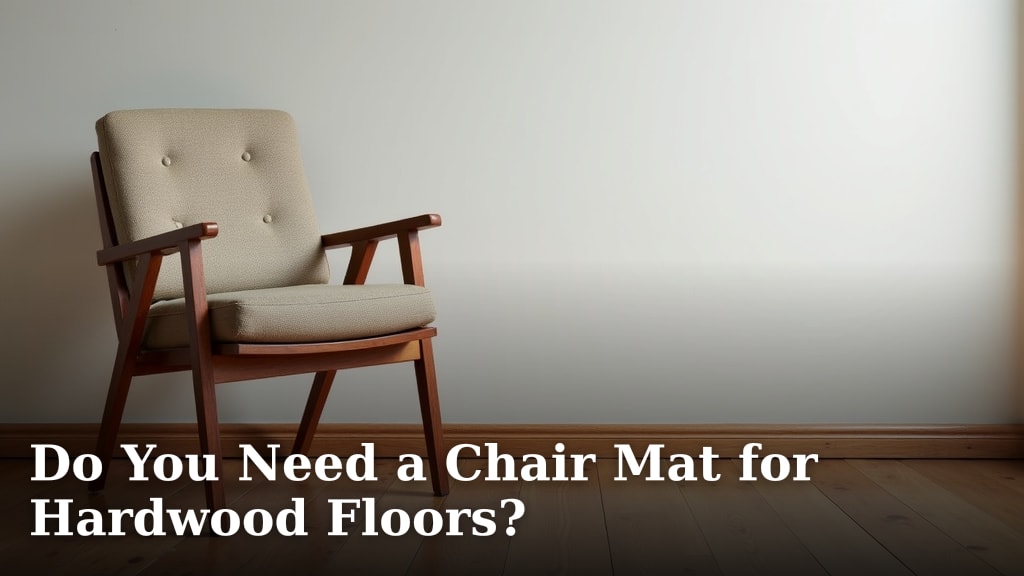
Yes, you absolutely need a chair mat for hardwood floors if you want to protect them from damage. Rolling office chairs can cause significant scratches and dents over time. A good chair mat acts as a vital protective barrier.
Protecting Hardwood Floors from Office Chair Damage
Protecting your beautiful hardwood floors from the daily grind of an office chair is more important than you might think. You’ve invested in those floors, so why let them get ruined?
A chair mat isn’t just an accessory; it’s a smart investment. It acts as a shield against wear and tear, keeping your floors looking pristine for years.
The Hidden Dangers of Rolling Chairs
You might not notice it right away, but every time you roll your chair, you’re causing tiny bits of damage. These little actions add up quickly.
Over time, this movement leads to noticeable issues. Let’s look at the specific ways your chair can harm your floors.
Scratches and Scuffs
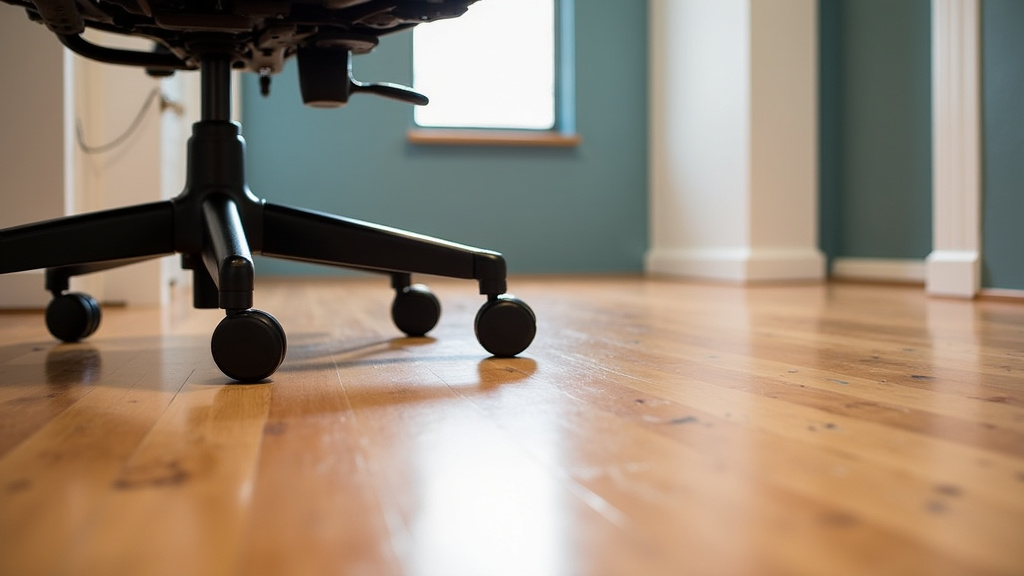
The wheels, or casters, on office chairs are often made of hard plastic. These casters can easily scratch the finish of your hardwood.
Even if the wheels seem soft, they can pick up tiny grit and dust particles. These act like sandpaper, creating scuffs and dull spots as you move.
Dents and Gouges
Your body weight, combined with the chair’s weight, puts a lot of pressure on small points – the casters. This pressure can create dents in the wood.
Especially in areas where you sit and roll most often, like under your desk, you’ll see these indentations. They can be tough, if not impossible, to fix.
Finish Wear and Tear
The constant friction from rolling wears down the protective finish on your hardwood floors. This leaves the wood itself exposed to damage.
Once the finish is gone, your floors become vulnerable to moisture, stains, and further physical damage. This dramatically shortens their lifespan.
The Benefits of Using a Chair Mat
So, we know the problem. Now, what’s the solution? A chair mat offers a simple, yet highly effective, answer to these challenges.
It creates a smooth, protected surface for your chair to roll on. This saves your floors and offers other unexpected advantages too.
Floor Protection is Primary
The most obvious benefit is the physical barrier a mat provides. It sits between your chair wheels and your precious hardwood.
This barrier absorbs the impact, prevents scratching, and ensures the original finish of your floors remains intact. Think of it as a clear shield.
Easier Chair Movement
Have you ever noticed how hard it is to roll your chair on a rug or even directly on some hardwood finishes? It can feel like you’re fighting the floor.
A good chair mat offers a low-friction surface. This means your chair glides effortlessly, reducing strain on your back and legs.
- Your chair wheels won’t get stuck in wood grain.
- You’ll use less effort to move around your workspace.
- This can reduce fatigue during long work sessions.
Improved Ergonomics and Comfort
When your chair moves easily, you can position yourself correctly at your desk without struggling. This is a big win for your posture.
Good ergonomics means you’re less likely to experience discomfort or pain from sitting for extended periods (Mayo Clinic).
Choosing the Right Chair Mat for Hardwood Floors
Not all chair mats are created equal, especially when it comes to hardwood floors. You need one designed specifically for this surface.
The wrong mat can actually do more harm than good, so let’s make sure you pick the perfect one for your needs.
Key Features to Look For
When you’re shopping for a chair mat, keep these important features in mind. They make all the difference for hardwood.
You want a mat that stays in place and protects effectively without slipping or causing new issues.
Smooth Backing (No Cleats or Spikes)
This is crucial! Mats designed for carpet have little spikes or “cleats” on the underside to grip the carpet fibers. You absolutely do not want these for hardwood.
A mat for hardwood floors should have a completely smooth backing. This smooth surface prevents the mat from scratching your floors from underneath.
Material Matters
Chair mats come in various materials, each with its own pros and cons. The material affects durability, clarity, and price.
You’ll commonly find mats made from PVC, polycarbonate, or tempered glass. We find that polycarbonate is often a great balance of quality and value.
| Material Type | Pros | Cons |
|---|---|---|
| PVC (Vinyl) | Affordable, flexible, good for light use. | Can yellow over time, may dent, less durable. |
| Polycarbonate | Very durable, clear, rigid, excellent impact resistance. | More expensive than PVC. |
| Tempered Glass | Extremely durable, very clear, won’t dent or scratch. | Most expensive, heavy, can be slippery (if not textured). |
We’ve found that for most home office users, polycarbonate offers the best value for protecting hardwood floors effectively.
Thickness and Durability
A thicker mat generally means better protection and longer lifespan. Thin mats can still allow pressure to transfer to your floors, causing dents.
Look for a mat that feels substantial. You want something that won’t flex or crack easily under the weight of your chair and yourself.
Size and Shape
Consider the area where you typically roll your chair. You need a mat that covers enough space to allow free movement without rolling off the edge.
Measure your workspace. Do you need a rectangle, or a shape with a lip that fits under your desk? Make sure it gives you plenty of room.
Installation and Maintenance Tips
Once you’ve chosen your perfect chair mat, getting it set up and keeping it clean is straightforward. A little care goes a long way.
Proper installation ensures it stays in place, and regular cleaning keeps it looking good and performing its best.
Getting Your Mat Ready
When your new mat arrives, it might be rolled up. Give it some time to flatten out completely before you use it.
You can help it along by placing heavy books on the corners or even gently warming it in the sun for a short period.
Placement is Key
Position the mat directly under your desk, ensuring it covers the main area where you sit and roll. You want to avoid rolling off the edge frequently.
Make sure there’s enough room for your chair to move without resistance. The goal is seamless gliding.
Keeping Your Mat Clean
Dust and debris can accumulate on your mat, just like on your floor. Regular cleaning keeps it looking clear and ensures smooth rolling.
Simply wipe it down with a damp cloth and mild soap. Avoid harsh chemicals, as they can damage the mat’s material or clarity.
Considering Alternatives (and Why They Fall Short)
You might wonder if there are other ways to protect your floors without a traditional chair mat. While some options exist, they often don’t provide the same level of protection.
It’s helpful to understand why a dedicated chair mat usually comes out on top.
Area Rugs and Carpets
You might think a rug would work. It can offer some cushioning and absorb a bit of impact, which is true.
However, rugs create resistance, making your chair hard to roll. This can lead to back strain. Plus, chair wheels can damage rug fibers over time, creating worn paths.
Felt Pads on Chair Wheels
Felt pads are great for stationary furniture, but they aren’t designed for rolling chairs. They wear down very quickly with constant movement.
Once worn, they lose their protective qualities and can actually gather grit, scratching your floors rather than protecting them.
“Soft” Casters (Wheels)
Some office chairs come with softer wheels, often made of rubber or softer plastics. These are definitely better than hard plastic wheels for hardwood.
However, even soft casters can eventually wear down the finish or collect small particles that cause damage over time. They reduce the risk, but don’t eliminate it.
A chair mat provides the most comprehensive and long-lasting protection, even with soft casters.
Your Chair Mat Checklist for Hardwood Floors
Ready to get your chair mat? Use this quick checklist to ensure you pick the right one and set it up for success.
This will help you make a confident choice and protect your investment in your beautiful hardwood floors.
- Smooth Backing: Confirm the mat has a flat, smooth underside. No spikes or cleats!
- Material: Opt for polycarbonate or tempered glass for best durability and clarity.
- Thickness: Choose a mat that feels sturdy and robust, not flimsy.
- Size: Measure your rolling area to ensure adequate coverage.
- Clarity: Look for a clear mat if you want your floor’s beauty to show through.
- Flattening Time: Allow ample time for the mat to flatten completely before use.
Conclusion
You’ve seen how easily hardwood floors can succumb to the constant movement of office chairs. From tiny scratches to noticeable dents, the damage adds up. A chair mat isn’t just an option; it’s a necessary shield for preserving your floor’s beauty and longevity.
By choosing the right mat – one with a smooth backing, made from durable polycarbonate or glass, and sized correctly – you’re making a smart, long-term investment. Don’t wait until damage appears; protect your hardwood floors proactively. Your floors, and your back, will thank you.
Frequently Asked Questions
What’s the main difference between a chair mat for carpet and one for hardwood?
The key difference is the backing. Chair mats for carpet have small spikes or cleats on the underside to grip the carpet fibers. Hardwood floor mats have a completely smooth backing to prevent scratching your floors from underneath.
Can using a chair mat make my office chair roll easier?
Yes, absolutely! A good chair mat provides a smooth, low-friction surface. This allows your chair to glide effortlessly, reducing the effort you need to move and preventing strain on your body.
Will a chair mat yellow or crack over time?
It depends on the material. Less expensive PVC mats can sometimes yellow or become brittle over many years. High-quality polycarbonate or tempered glass mats are much more resistant to yellowing and cracking, maintaining their clarity and integrity longer.
My chair mat keeps sliding on my hardwood floor. What can I do?
Ensure your mat has a smooth, non-slip backing designed for hard floors, not carpet. You can also try placing a thin, non-slip rug pad underneath the mat. Some users also find success with double-sided rug tape designed for hard surfaces.
Are glass chair mats worth the higher cost?
For ultimate durability and clarity, many people find glass chair mats worth the investment. They are extremely resistant to scratching and denting, will never yellow, and allow the beauty of your hardwood floor to show through completely. They are a premium, long-lasting solution.