How to Remove Office Chair Wheels?
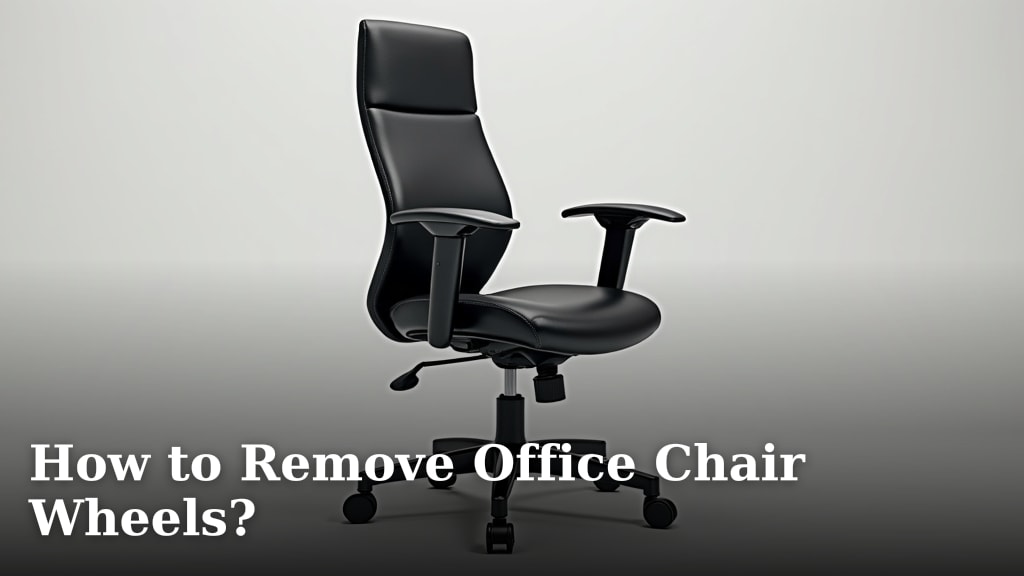
The easiest way to remove office chair wheels is to pull them straight out from the base. Most office chair wheels, also called casters, are designed for simple removal and replacement. You typically won’t need any tools, just a firm grip.
Perhaps you’re upgrading to rollerblade wheels or replacing a broken caster. Maybe your old wheels just aren’t rolling smoothly anymore. Whatever your reason, swapping out office chair wheels is a straightforward task that anyone can handle.
- Pull old casters straight out.
- No tools usually needed.
- Replace with new casters.
- Improve chair mobility.
Let’s walk through exactly how to remove your office chair wheels, step by step, ensuring a smooth process from start to finish.
Getting Those Office Chair Wheels Off
Removing office chair wheels is usually quite simple. You’ll typically pull them straight out, but some might need a little extra coaxing or a tool.
Before you begin, safety is key. Make sure your chair is stable and won’t tip over. Consider laying down a blanket or towel to protect your floor and catch any errant parts.
Prepare Your Workspace
A little preparation goes a long way. You want to make this as easy as possible for yourself.
Gather Your Supplies
While most caster removals are tool-free, it’s wise to have a few things on hand just in case. We found that a small kit of basic tools often speeds up the process.
- Work gloves: Protect your hands and give you a better grip.
- Flathead screwdriver or pry tool: For stubborn casters.
- Pliers or vice grips: Useful for twisting and pulling.
- Lubricant spray (like WD-40): Can help loosen rusted or stuck parts.
- Towel or blanket: To protect your floor and prevent scratching.
Positioning Your Chair
You’ll need good access to the underside of your chair’s base. The best way to do this is to flip the chair upside down. Lay it gently on its back on a stable surface, like a table or the floor. Make sure it’s secure and won’t wobble.
Some people prefer to lay the chair on its side. Do whatever feels most comfortable and stable for you. The main goal is to have clear visibility and access to each wheel.
The Standard Method: Pulling Them Out
For the vast majority of office chairs, this is the method you’ll use. It’s surprisingly straightforward. Most casters are designed to be easily removable for maintenance or upgrades.
Understanding Caster Types
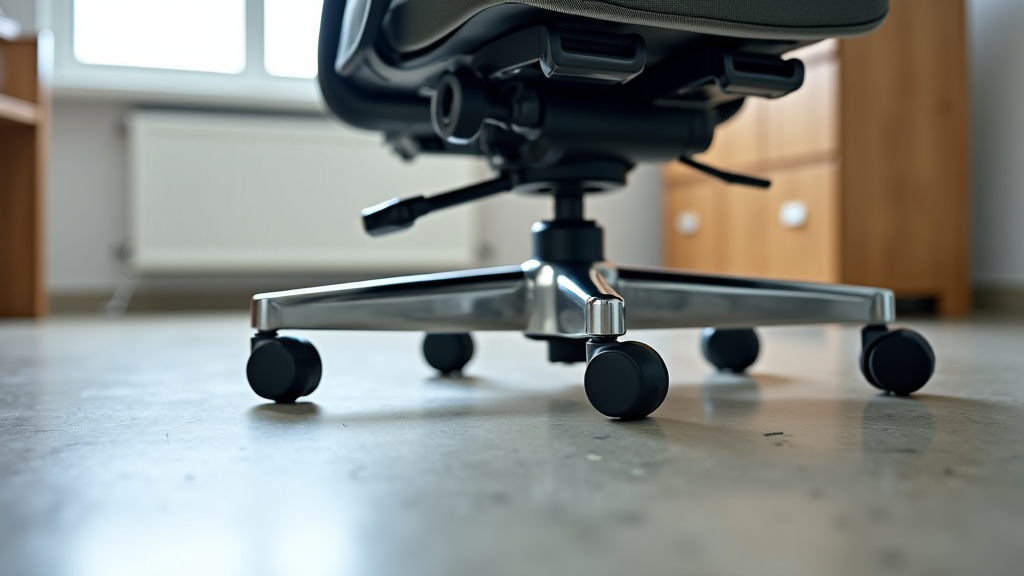
There are two main types of office chair casters when it comes to removal: stem casters and plate casters. Almost all office chairs use stem casters.
Stem casters have a metal rod that fits directly into a hole in the chair’s base. These are the ones you typically just pull out. Plate casters, which are much less common on office chairs, are screwed into a flat plate.
Here’s a quick overview of how they differ in attachment:
| Caster Type | Attachment Method | Removal Method |
|---|---|---|
| Stem Caster | Metal stem inserted into chair base. | Pull straight out (friction fit). |
| Plate Caster | Screwed onto a flat plate under the base. | Unscrew from the plate. |
Executing the Pull
Now for the main event! You’re ready to remove those wheels. We found that a good technique makes all the difference.
Step 1: Grip Firmly. Grab the wheel firmly with one hand. Try to get as close to the point where the stem enters the chair base as possible. Your work gloves will help here.
Step 2: Pull Straight Out. With a steady, firm tug, pull the wheel straight out from the chair base. You might hear a “pop” as the stem releases. It usually doesn’t take extreme force, but a good, sharp pull helps.
Step 3: Wiggle if Needed. If it doesn’t come out easily, try wiggling the wheel side to side slightly while pulling. This can help loosen any dirt or rust that might be holding it in place. Many people find a gentle rocking motion effective (Consumer Reports).
Step 4: Repeat for All Wheels. Once one is out, the others usually follow suit. Go around your chair, removing each caster one by one.
Dealing with Stubborn Casters
Not every caster wants to cooperate, and that’s okay. Sometimes they get a little stuck. Don’t force it too much right away, as you don’t want to damage your chair or yourself.
When They Won’t Budge
What if your casters are being particularly uncooperative? It happens. We often encounter situations where a bit of extra help is needed.
Using Lubricant
For casters that are really stuck, a little lubricant can work wonders. Apply a spray lubricant, like WD-40, directly where the metal stem enters the chair base. Let it sit for 5-10 minutes to allow it to penetrate. This can help break down any rust or corrosion.
After applying the lubricant, try the pulling and wiggling method again. You might find it comes out much more easily this time. Remember to wipe away any excess lubricant afterward.
Leverage with Tools
If pulling by hand isn’t working, it’s time for some leverage. This is where your screwdriver or pliers come in handy.
- Flathead Screwdriver Method: Carefully insert the tip of a flathead screwdriver or a pry tool into the gap between the caster’s top and the chair base. Gently pry downwards, using the chair base as a fulcrum. Work your way around the caster, applying even pressure until it starts to loosen.
- Pliers/Vice Grips Method: If the stem is visible, grab it with a pair of pliers or vice grips. Twist the pliers while simultaneously pulling downwards. The twisting motion can help break the friction fit. Just be careful not to damage the plastic housing of the wheel itself if you’re reusing it.
Always apply steady, even pressure. Jerking motions can cause damage. Your goal is to gently persuade the caster, not rip it out forcefully.
Caster Check-Up: What to Look For
Once you’ve removed the casters, take a moment to inspect them. This is a great opportunity to understand why they might have been hard to remove or why you’re replacing them.
Inspect the Old Casters
Look at the stem of the caster. Is it bent? Is it covered in grime or hair? This can tell you a lot about your chair’s history and why it wasn’t rolling smoothly.
Signs of Wear and Tear
Many common issues become clear upon inspection. We found that most problems stem from prolonged use and neglect.
- Bent Stem: A bent stem can prevent the caster from rotating freely and make it hard to remove or insert.
- Rust or Corrosion: Rust on the stem means it was exposed to moisture, making removal difficult.
- Hair and Debris: Hair, carpet fibers, and dirt commonly get wrapped around the wheel axle, hindering movement.
- Worn Wheels: Flat spots or cracks on the wheel itself reduce smooth rolling.
- Damaged Housing: The plastic housing holding the wheel might be cracked or broken.
If you see any of these issues, it’s likely a good time for a replacement. Even if you’re just cleaning, understanding the problem helps prevent future issues.
Replacing Your Office Chair Wheels
Putting new wheels on is usually even easier than taking the old ones off. Think of it like a simple puzzle where the pieces just click into place.
Installing New Casters
Once your old casters are out, you’re ready to install the new ones. This is typically a tool-free process, much like the removal.
A Simple Push
To install a new stem caster, align the stem with the hole in the chair’s base. Apply firm, steady pressure, pushing the caster straight into the hole. You should feel a satisfying “click” or “thunk” as it locks into place. Give it a gentle tug to ensure it’s secure.
Repeat this process for all five casters. Once they’re all in, flip your chair back over and test them out! Enjoy your newly mobile and smooth-rolling office chair.
Conclusion
Removing and replacing office chair wheels might seem daunting, but as you’ve seen, it’s a straightforward process. You now have the knowledge and steps to tackle both standard and stubborn casters with confidence. By understanding the types of casters and having a few basic tools on hand, you can significantly improve your chair’s mobility and extend its life. Go ahead, give your office chair the upgrade it deserves for a smoother, more efficient workspace.
Frequently Asked Questions
How often should I replace my office chair wheels?
There’s no set schedule; replace them when they show signs of wear. Look for flat spots, cracks, excessive noise, or difficulty rolling. Many people find new wheels beneficial every 3-5 years, depending on use.
Can I use any wheels on my office chair?
No, most office chairs use standard “stem casters,” but stem sizes can vary. Measure the diameter and length of your old caster stem before buying replacements to ensure a proper fit. Some chairs, though rare, might use plate casters.
Will new wheels make my chair roll better on carpet?
Absolutely! Many standard office chair wheels struggle on carpet. Upgrading to larger, “rollerblade style” wheels with softer polyurethane can dramatically improve mobility on carpeted surfaces. They also tend to be quieter.
My new wheels don’t click in. What should I do?
Ensure you have the correct stem size for your chair. If it’s the right size, apply firm, even pressure directly into the base hole. Sometimes, a gentle tap with a rubber mallet (or shoe) can help seat them securely, but avoid excessive force.
Is it worth replacing just one broken wheel?
While you can replace just one, we recommend replacing all five wheels simultaneously. Casters wear at a similar rate, and a full set ensures even rolling and consistent performance. This also prevents needing to repeat the process soon after.