How to Adjust Office Chair Headrest?
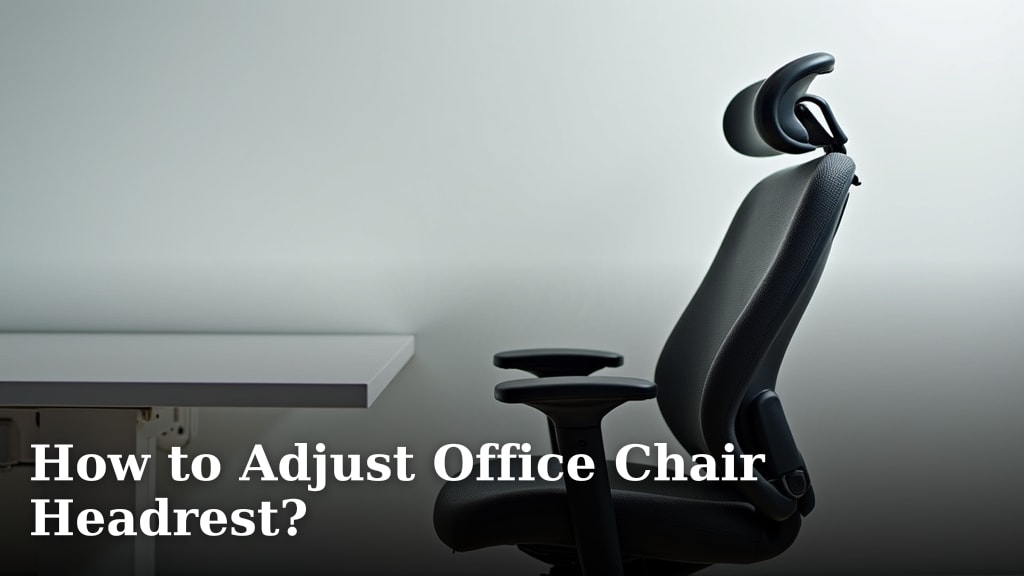
To adjust your office chair headrest, first sit correctly with your back supported, then grasp the headrest with both hands and slide it up or down to align with the curve of your neck. You want to support your natural neck posture, not push your head forward.
Getting your headrest just right can make a huge difference in your daily comfort. A properly adjusted headrest helps reduce neck strain and can even prevent headaches. It’s about finding that sweet spot for optimal neck and head support.
- Sit properly first.
- Locate the adjustment mechanism.
- Align the headrest with your neck’s curve.
- Test for comfort and support.
Ready to finally get comfortable in your office chair? Let’s walk through exactly how to adjust your office chair headrest step by step, so you can enjoy better posture and less neck pain.
Getting Your Office Chair Headrest Right
You know that feeling when your neck just isn’t quite comfortable? That’s often a sign your headrest isn’t doing its job. A properly adjusted headrest is more than just a place to lean back; it’s a key player in supporting your overall posture and preventing discomfort. We’ve found that getting this adjustment right can significantly reduce neck strain and headaches throughout your workday. It’s about finding that sweet spot where your headrest works with your body, not against it.
Understanding Different Headrest Types
Not all headrests are created equal. You might think a headrest is just a headrest, but there are actually a few common types, each with its own way of being adjusted. Knowing what kind you have is the first step to making it work for you. We’ll break down the most common ones you’ll encounter in office chairs.
Fixed Headrests
These are built directly into the chair’s backrest. They don’t move up, down, or tilt. If you have a fixed headrest, your primary adjustment options are limited to how you position your body in the chair. It’s often designed to accommodate a general height range. You might need to adjust your recline to make it feel right for your neck.
Adjustable Height Headrests
This is probably the most common type. An adjustable height headrest allows you to slide it up or down the back of the chair. This is fantastic for matching the headrest to your specific neck curve. Often, you’ll find a locking mechanism to secure it in place once you’ve found your ideal height. This type offers good versatility for different users.
Adjustable Height and Tilt Headrests
These headrests offer the most flexibility. Not only can you move them up and down, but you can also tilt the pad forward or backward. This tilt feature is super helpful for getting that perfect angle to support the natural curve of your neck. It prevents your head from being pushed too far forward or falling too far back. Many ergonomic chairs feature this type for maximum comfort. (Cleveland Clinic)
Pre-Adjustment Checklist: Setting the Stage for Success
Before you even touch that headrest, there are a few things you need to get right with your chair. Think of it like tuning an instrument; you need to get the basic notes in order first. These steps ensure your body is correctly aligned, so the headrest can do its job properly. Neglecting these can make even the best headrest feel uncomfortable.
- Adjust Seat Height: Your feet should be flat on the floor, or using a footrest, with your knees at about a 90-degree angle.
- Adjust Seat Depth: Leave about two to three fingers’ width between the edge of your seat and the back of your knees.
- Adjust Backrest Lumbar Support: Position the lumbar support to fit the natural curve of your lower back, providing gentle pressure.
- Adjust Armrests: Your elbows should be at a 90-degree angle when typing, shoulders relaxed.
- Sit Up Straight: Consciously practice good posture before adjusting the headrest.
Step-by-Step Headrest Adjustment Guide
Okay, now that your chair is mostly set up, let’s tackle that headrest. This is where the magic happens for your neck and upper spine. Remember, the goal isn’t to rest your head on it all the time, but for it to be there as a support when you lean back or need a break. We’ve found this approach works best for most people.
Step 1: Sit Correctly in Your Chair
This might seem obvious, but it’s really important. Sit all the way back in your chair, making sure your lower back is supported by the lumbar cushion. Your shoulders should be relaxed, and your spine in its natural S-curve. This is your baseline posture for headrest adjustment. Don’t slouch or lean forward. Your headrest won’t help if your body isn’t in the right position.
Step 2: Locate the Adjustment Mechanism
This is where headrest types come into play. Most adjustable headrests have a visible button, lever, or knob. For height adjustments, you might find a button on the side of the headrest support or even a simple “pull up/push down” mechanism. For tilt, look for a knob on the side of the headrest pad itself, or sometimes it’s a friction-based tilt where you just move it by hand. Don’t force anything; find the release first.
Step 3: Adjust for Height and Depth
The goal here is to align the headrest with the natural curve of your neck. We recommend starting by sitting upright and then leaning back gently. The headrest should cradle the curve of your upper neck, just below the base of your skull. It shouldn’t push your head forward or leave a big gap. If it has tilt, adjust it so it gently supports your neck without feeling like it’s shoving your head. Many experts say this gentle support is key (Mayo Clinic).
Think of it like a pillow for your neck, not your head. You want the headrest to fill the gap between your neck and the chair back, providing a resting place that maintains your natural spinal alignment. If your headrest is pushing your head forward, it’s too aggressive. If your head has to fall back to meet it, it’s too far back or too low.
Fine-Tuning for Optimal Comfort
Adjusting your headrest isn’t a one-and-done deal. It often requires a little back-and-forth, a bit of trial and error. Your body will tell you what feels right. We’ve seen that small adjustments can make a big difference in long-term comfort. Don’t be afraid to tweak it until it feels just right.
| Common Headrest Issues | How to Fix It |
|---|---|
| Headrest pushes head too far forward. | If adjustable, recline the headrest pad or lower its height slightly. If fixed, recline your chair more. |
| Headrest is too low or too high for neck support. | Slide the headrest up or down until it supports the curve of your upper neck. |
| Headrest feels too hard or uncomfortable. | Consider adding a small, soft cushion specifically designed for neck support, if possible. |
| Can’t feel the headrest at all, even when leaning back. | Raise the headrest, or if it has tilt, bring it forward. Ensure your chair’s recline isn’t too extreme. |
The “Sweet Spot” Test
Once you think you’ve got it, do a quick test. Lean back and relax. Does your neck feel supported? Is there any awkward pressure? Can you comfortably look straight ahead or slightly down at your screen without strain? You should feel a gentle, comfortable cradle for your neck, not a forceful push or a complete lack of support. Your head shouldn’t be pushed out of alignment with your spine.
Testing Different Activities
Your headrest might feel great when you’re just sitting and reading, but what about when you’re on a call, or leaning back to think? Spend some time in your newly adjusted chair performing your typical tasks. Pay attention to how your neck feels during different movements. A good headrest supports you through your natural office movements. This helps catch any subtle discomforts early.
Why a Properly Adjusted Headrest Matters
You might wonder, “Is all this fuss really necessary for just a headrest?” The answer is a resounding yes! We’ve found that proper ergonomic setup, including the headrest, can prevent a host of problems. It’s about proactive health, not just reactive pain relief. Your neck and upper back will thank you for it in the long run.
First, it helps maintain your natural cervical curve. Your spine has these wonderful, natural curves, and the neck is one of them. A good headrest helps keep that curve in check, preventing your neck from flattening out or curving too much. This helps reduce strain on muscles and ligaments. Think of it like keeping your posture in alignment even when you’re resting.
Second, it reduces muscle fatigue. When your head isn’t properly supported, your neck and shoulder muscles have to work harder to hold it up. Over time, this leads to fatigue, tension, and potentially pain. A headrest offers those hardworking muscles a chance to relax. This is why many people report less neck and shoulder pain after adjusting their headrest.
Finally, it supports overall posture. The headrest is part of your chair’s complete ergonomic system. When it’s correctly set, it complements your lumbar support and seat height, helping your entire spine stay in a healthy alignment. It contributes to a balanced, comfortable, and sustainable sitting posture throughout your day. Your whole body works better when its parts are supported.

Conclusion
You’ve now got the tools to transform your workday comfort by properly adjusting your office chair headrest. We’ve seen how understanding different types and following a simple adjustment guide can make a real difference. Your neck and shoulders will thank you!
Remember, this isn’t just about comfort; it’s about supporting your long-term health and preventing strain. Take a few moments right now to apply what you’ve learned. Make those adjustments and feel the positive impact on your posture and overall well-being.
Frequently Asked Questions
Should my head always be touching the headrest?
No, your head should not always be touching the headrest. Its primary purpose is to support the natural curve of your neck when you lean back or recline. When sitting upright and working, your head should be balanced directly over your spine without relying on the headrest.
My headrest is fixed and uncomfortable. What can I do?
If you have a fixed headrest, your options are limited to adjusting your seating posture. Try reclining your chair slightly, or ensure your lumbar support is correctly positioned to encourage a natural neck curve. You might also consider a small, external neck cushion if your chair allows.
Can a poorly adjusted headrest cause headaches?
Yes, a poorly adjusted headrest can contribute to headaches. If it pushes your head forward, it can strain your neck muscles and misalign your spine. This sustained tension can often lead to tension headaches or discomfort that radiates up to your head.
How often should I re-check my headrest adjustment?
It’s a good idea to re-check your headrest adjustment periodically, especially if you feel new discomfort or change your sitting habits. If multiple people use the same chair, each person should adjust it to their own body. Listen to your body; it will tell you when something feels off.
What if my headrest doesn’t have a tilt function?
If your headrest only adjusts for height, focus on getting the height correct first. Position it to support the curve of your upper neck without pushing your head forward. If you still feel your head is being pushed, try adjusting your chair’s recline to compensate.