How to Fix a Squeaky Office Chair?
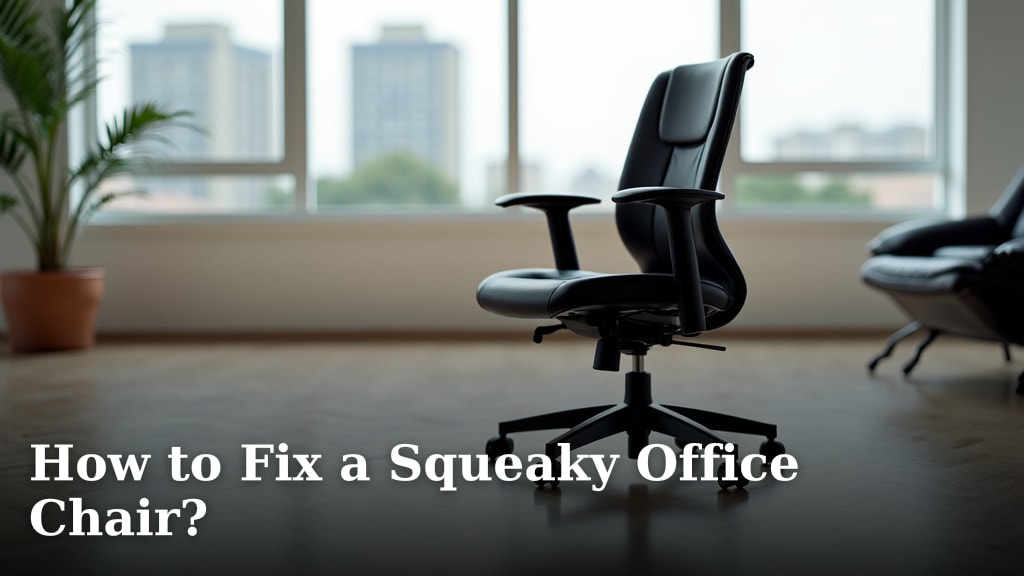
To fix a squeaky office chair, the easiest way is to lubricate its moving parts, especially where metal meets metal. A quick spray of a silicone-based product or a few drops of lubricating oil can often silence that annoying noise and restore peace to your workday. Most squeaks come from loose bolts or dry joints, so a little attention can make a big difference.
That persistent squeak isn’t just an annoyance; it’s your chair telling you something needs attention. Many office chairs develop squeaks over time due to routine wear and tear and a lack of maintenance. Addressing these issues can extend your chair’s life and improve your comfort.
- Oil metal joints
- Tighten loose bolts
- Check the chair’s base
- Clean castors
- Consider professional help
Let’s walk through exactly how to pinpoint that squeak and quiet your office chair once and for all.
Silencing Your Squeaky Office Chair
You’re ready to tackle that annoying noise. Let’s get right to it. The first step is always to figure out exactly where the squeak is coming from.
Locating the Source of the Squeak
Think of yourself as a detective. Your mission: find the culprit! Most squeaks happen when two parts rub together without enough lubrication. The squeak is often a signal that something is loose, dry, or dirty.
The Sit-and-Wiggle Test
To pinpoint the problem, you’ll need to recreate the squeak reliably. Sit in your chair as you normally would. Now, slowly lean back, lean forward, twist side to side, and raise or lower the chair. Pay close attention to when and where the sound occurs. Does it happen when you lean back? Is it when you swivel? This helps narrow down the area.
- Lean back: Could be the backrest connections or tilt mechanism.
- Swivel: Often the chair’s central cylinder or base.
- Raise/lower: Likely the gas lift cylinder.
- Shift weight: Check the seat plate or armrests.
Visual Inspection and Touch Test
Once you have a general idea of the squeak’s location, it’s time for a closer look. Flip your chair over if possible, or lean it back against a wall. Look for any visible issues.
- Are there obvious loose screws or bolts?
- Do you see any worn-out washers or bushings?
- Is there grime or dust buildup around moving parts?
- Can you feel any wobbling in the armrests or back?
Sometimes, simply touching a joint while someone else wiggles the chair can help you feel the vibration associated with the squeak. It’s a two-person job that makes things easier.
Essential Tools and Lubricants for Repair
Having the right tools makes any repair job go smoothly, and fixing a squeaky chair is no exception. You don’t need a workshop full of gear, just a few key items.
Gather Your Supplies
Before you begin, gather everything you need. This saves you from stopping and starting. Think of it as preparing your repair station.
What You’ll Need
Most of these items you might already have around the house. If not, they are easy to find and inexpensive.
- Screwdrivers: Phillips head and flathead are usually enough.
- Allen wrenches (hex keys): Many office chairs use these. Check if your chair came with one, or grab a standard set.
- Pliers or a small wrench: For tightening stubborn nuts.
- Microfiber cloths or old rags: For cleaning and wiping up excess lubricant.
- Protective gloves: To keep your hands clean.
- Newspaper or cardboard: To protect your floor from drips.
Choosing the Right Lubricant
The type of lubricant you use matters. Not all lubricants are created equal, and some can actually attract more dirt over time. We found that silicone-based lubricants or lubricating oil are generally best for office chairs.
| Lubricant Type | Best For | Pros | Cons |
|---|---|---|---|
| Silicone Spray | Plastic-on-plastic, metal-on-plastic | Dries quickly, doesn’t attract dust, good for many materials | Can be messy if sprayed indiscriminately |
| Lithium Grease (Spray or Paste) | Metal-on-metal, heavier loads | Durable, long-lasting, good for high-friction areas | Can be thick and attract some dirt over time |
| WD-40 (Original Multi-Use) | Temporary fix, cleaning rust | Easily available, good for freeing seized parts | Not a long-term lubricant, can dry out and attract dust |
| Dry Lubricants (Graphite, PTFE) | Mess-free, dusty environments | No residue, repels dust, good for textile contact | Less effective on heavy load-bearing metal joints |
Avoid using vegetable oils or cooking sprays. They can become sticky and rancid, attracting dirt and making the problem worse in the long run. We highly recommend a specific silicone lubricant designed for household use or a good quality light machine oil for metal parts (Mayo Clinic).

Step-by-Step Guide to Silencing Your Chair
Now that you know where the squeak is coming from and have your tools ready, let’s silence that noise for good.
Addressing Common Squeak Sources
Most chair squeaks come from a few key areas. We’ll go through them one by one.
Tighten Loose Fasteners
This is often the quickest and easiest fix. Over time, the bolts and screws that hold your chair together can loosen with daily use. This creates tiny gaps where parts can rub and squeak.
Action plan:
- Flip and inspect: Carefully turn your chair upside down or on its side.
- Locate all fasteners: Look for bolts on the seat pan, armrests, backrest, and cylinder mechanism.
- Tighten gently: Using your Allen wrench or screwdriver, turn each fastener clockwise until it’s snug. Do not overtighten, as this can strip the screws or damage the chair frame.
This simple step can often resolve 80% of squeaks. Think of it like tuning a guitar string – just a little adjustment can make a big difference.
Lubricate Metal-on-Metal Connections
Many parts of an office chair involve metal rubbing against metal, especially in the tilt mechanism and base. Without proper lubrication, friction builds, and a squeak is born.
Action plan:
- Identify pivot points: These are usually found under the seat where the backrest attaches, or where the tilt mechanism moves.
- Clean first: Wipe away any visible dirt, dust, or old grease with a cloth.
- Apply lubricant: Spray a silicone lubricant or apply a few drops of lubricating oil directly onto each pivot point. Work it into the joint by articulating the chair (leaning back and forth, swiveling).
- Wipe excess: Clean up any drips with a rag to prevent attracting dust.
Many experts say that lubricating these joints regularly, perhaps every 6-12 months, can prevent future squeaks (Consumer Reports).
The Gas Lift Cylinder
Does your chair squeak when you raise or lower it, or when you lean back and the chair moves up or down slightly? The gas lift cylinder might be the issue.
Action plan:
- Clean the cylinder: Wipe down the exposed metal shaft of the gas lift cylinder with a clean cloth to remove any dust or dirt.
- Lubricate the connections: Apply a small amount of silicone spray or light machine oil to the top and bottom connections of the gas cylinder where it meets the seat mechanism and the chair base.
- Test it: Raise and lower the chair several times to help the lubricant spread evenly.
Sometimes, the gas cylinder mechanism itself is failing. If lubrication doesn’t help, and the chair continues to sink, it might be time to consider replacing the cylinder. This is a common wear-and-tear item.
Armrests and Wheel Castors
Sometimes, the squeak comes from unexpected places. Don’t overlook your armrests or the wheels.
Armrests: If your armrests are bolted on, check for loose screws and tighten them. If they pivot, apply a small amount of silicone lubricant to the pivot points. Sometimes, it’s just the plastic of the armrest rubbing against the chair’s frame, in which case a little spray can help.
Castors (Wheels): Wheels can squeak if they’re dirty, if the axles are dry, or if they’re simply worn out.
- Clean them: Remove any hair, lint, or debris wrapped around the wheel axles.
- Lubricate axles: Apply a tiny drop of lubricating oil to the axles where the wheels spin.
- Check for wear: If the wheels are cracked or not rolling smoothly even after cleaning and lubricating, they might need replacing. Most castors just pull out and push in.
Final Check and Prevention
You’ve tightened, you’ve lubricated. Now, it’s time for the ultimate test: a long-term silence strategy.
Test Your Work
Sit back in your chair. Lean, swivel, adjust. Does it still squeak? If so, try to pinpoint the sound again. Sometimes, you might have multiple squeaks, or you missed a spot.
If the squeak persists: Go back to your detective work. Sometimes, a tiny washer or bushing might be worn out and needs replacing. These are harder to source but can usually be found at hardware stores if you know the size.
Maintenance Checklist for a Quiet Chair
To keep your chair silent for the long haul, consider this simple maintenance routine. A little preventative care goes a long way.
- Periodically tighten all screws and bolts (every 3-6 months).
- Lubricate key moving parts with silicone spray or light oil (annually).
- Clean castor wheels regularly to remove hair and debris.
- Avoid putting excessive weight on armrests or leaning too hard on the backrest.
- If you move your chair often, inspect the base and gas lift more frequently.
Remember, your office chair is often one of your most used pieces of furniture. Treating it with a little care can save you a lot of annoyance and potentially extend its useful life by years.
Conclusion
You now have all the tools and knowledge to silence that annoying squeak. By playing detective, gathering the right supplies, and systematically addressing the common trouble spots, you can restore peace to your workspace. Remember, a little routine maintenance goes a long way in preventing future noise and extending your chair’s lifespan. Don’t let a squeak disrupt your focus any longer—take these steps today and enjoy a quiet, comfortable chair.
Frequently Asked Questions
Is WD-40 good for a squeaky office chair?
While WD-40 can offer a temporary fix for squeaks, especially by freeing seized parts, it’s not ideal for long-term lubrication. It can dry out over time and attract dust, potentially making the squeak return or worsen. We’ve found that silicone-based lubricants or lithium grease are more effective for lasting results.
How often should I lubricate my office chair?
For optimal performance and to prevent squeaks, we recommend lubricating the key moving parts of your office chair annually. If you notice a squeak returning sooner, or if your chair gets particularly heavy use, you might consider lubricating every six months. Regular checks and tightening of fasteners every few months are also beneficial.
Can a squeaky chair be a sign of a bigger problem?
Usually, a squeak just means parts are rubbing without enough lubrication or that fasteners are loose. However, if you’ve lubricated and tightened everything and the squeak persists, or if you notice wobbling or instability, it could indicate a worn-out component like a failing gas lift cylinder or a broken weld in the frame. These might require replacement parts or professional assessment.
What if my chair still squeaks after I try these fixes?
If your chair continues to squeak, don’t give up! Revisit the “Sit-and-Wiggle Test” to re-pinpoint the noise. Sometimes, there’s a second, less obvious squeak, or a worn-out bushing or washer that’s harder to spot. Consider disassembling parts of the chair further to inspect hidden joints where the squeak might originate, especially if the chair has many plastic components.
Can I use cooking oil as a lubricant for my office chair?
We advise against using cooking oils (like olive oil or vegetable oil) as lubricants for your office chair. While they might provide very short-term relief, they tend to break down and become sticky or rancid over time. This can attract more dirt and dust, creating a worse mess and potentially causing new squeaks or damage to the chair’s mechanisms. Stick to products designed for lubrication.