Why Do Office Chairs Get Hot?
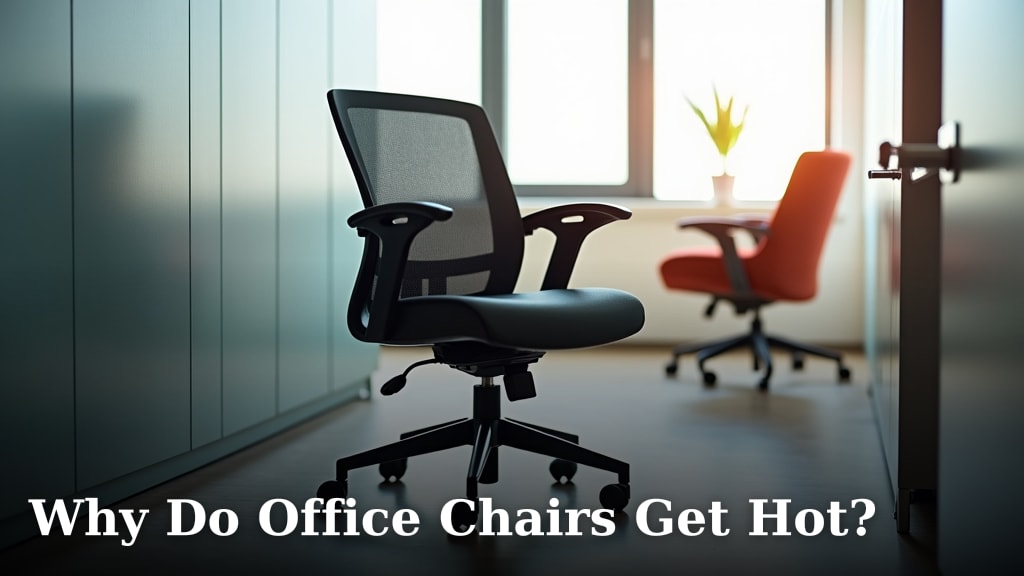
Your office chair gets hot primarily because of heat retention from your body and the chair’s materials. Many chairs use materials that don’t breathe well, trapping your body heat against you. This can make sitting for long periods quite uncomfortable.
Ever wonder why you feel sticky and sweaty after just an hour of working? It’s not just you! We found that common chair fabrics like vinyl and certain foams lack airflow. They act like an insulator, keeping your warmth close, especially during those busy workdays. Your office chair, unfortunately, is often a big culprit.
TL;DR:
- Your body creates heat.
- Chair materials often trap this heat.
- Poor ventilation is a big problem.
- Certain fabrics act like insulators.
- This leads to discomfort and sweat.
Let’s dive into why your office chair turns into a personal sauna and what you can do about it.
Understanding Why Your Office Chair Heats Up
It’s a common complaint: sitting in your office chair leaves you feeling hot and bothered. Why does this happen? The simple answer is a combination of your body’s natural heat and the chair’s materials. Your body constantly produces heat, and when you sit, certain chair designs and fabrics can trap this warmth instead of letting it escape. It creates a mini-oven effect right under you.
The Role of Body Heat and Physiology
You’re a living, breathing heat source! Your body generates heat through basic metabolic processes. When you sit still, this heat doesn’t dissipate as easily as when you’re moving around. Think of it like wearing a thick blanket; the warmth gets trapped.
Metabolic Heat Production
Even at rest, your body is working. Your cells are busy, and this activity creates heat. This is a normal and necessary part of staying alive. However, it means your chair has to contend with a constant outflow of warmth from your body.
Reduced Airflow Around the Body
When you sit, especially for long periods, parts of your body are pressed against the chair. This contact significantly reduces airflow to those areas. Less air movement means less heat can escape through convection. It’s like putting a lid on a pot of boiling water.
Materials: The Primary Culprit
The biggest factor in a hot office chair is often the materials it’s made from. Some materials are great for durability or aesthetics, but terrible for ventilation. They act like insulators, holding onto your body heat.
Common Chair Materials and Their Heat Retention
Different materials handle heat very differently. We found that some popular choices in office chairs are notorious for trapping warmth. Understanding these can help you choose better.
- Foam Cushioning: Most office chairs use foam for comfort. However, dense foam can be a significant heat trap. It has many tiny air pockets that act as insulation.
- Vinyl and PU Leather: These synthetic materials are non-porous. They don’t breathe at all. This means sweat and heat have nowhere to go, creating a clammy feeling.
- Thick Fabric Upholstery: Some woven fabrics, especially those with tight weaves or high pile, can also restrict airflow. They might feel soft but can still hold onto heat.
- Solid Plastic Backs and Seats: While less common for the entire chair, solid plastic sections offer no breathability.
Material Comparison for Heat Dissipation
Let’s look at how common materials stack up. This table highlights which materials are likely to make you feel hotter and which offer more relief.
| Material Type | Heat Retention | Breathability | Comfort for Hot Climates |
|---|---|---|---|
| Mesh | Low | Excellent | High |
| Natural Leather | Medium | Good | Medium |
| Fabric (loose weave) | Medium | Good | Medium |
| Fabric (dense weave) | High | Poor | Low |
| Vinyl/PU Leather | Very High | Very Poor | Very Low |
| Dense Foam | High | Poor | Low |
Design Flaws That Contribute to Heat Build-up
It’s not just the materials; the way a chair is designed plays a huge role. Some designs inherently trap more heat than others. A poorly ventilated design can turn even decent materials into a hot seat.
Lack of Ventilation Channels
Many chairs lack specific design features to promote airflow. Solid, unbroken surfaces on the seat and back offer nowhere for air to circulate. Imagine trying to cool down in a sealed box.
Seat and Back Construction
The shape and depth of the seat and back can also impact airflow. Deep, bucket-style seats might feel supportive but can hug your body too closely. This contact reduces the ability of heat to escape.
Environmental Factors Amplifying the Heat Problem
Your office environment also plays a big part. Even the best chair can feel hot if your surroundings aren’t helping. Think about your room temperature and how air moves around you.
Room Temperature and Humidity
A warm office means your body has a harder time losing heat. High humidity makes it worse because sweat can’t evaporate as easily, leaving you feeling sticky and uncomfortable. We found that even a few degrees higher can make a noticeable difference.
Lack of Air Movement
Stagnant air in a room allows heat to build up around your chair. A gentle breeze, from a fan or open window, helps carry away the warm air that collects around you. Without it, you’re just sitting in your own heat bubble.
Personal Habits and How They Affect Chair Heat
Believe it or not, your own habits can contribute to how hot your chair feels. Small changes can make a difference in your comfort levels.
Prolonged Sitting Periods
Sitting for hours without a break means continuous heat transfer from your body to the chair. Taking regular breaks allows both you and the chair to cool down. Many experts recommend standing and moving every 30-60 minutes (CDC).
Clothing Choices
What you wear also matters. Thick, non-breathable clothing can trap heat against your body, transferring even more warmth to your chair. Lighter, natural fabrics allow your skin to breathe better.
Solutions: Keeping Your Cool in the Office
Don’t despair! There are many ways to combat a hot office chair. From choosing different materials to adjusting your environment, you have options.
Choosing a Cooler Chair Material
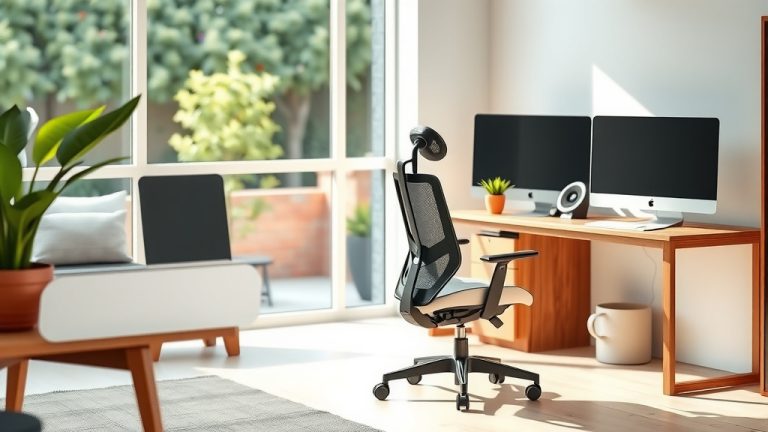
If you’re buying a new chair, prioritize materials known for breathability. Mesh chairs are a popular choice for good reason. They allow excellent airflow.
- Look for chairs with mesh backs and seats.
- Consider chairs upholstered in natural, loosely woven fabrics.
- Avoid vinyl, PU leather, and very dense foams if heat is an issue.
Improving Your Workstation Environment
You can make your existing setup cooler without buying a new chair. Small adjustments can yield big results.
- Use a personal fan to create airflow directly towards you.
- Ensure your room has good ventilation; open windows if possible.
- Keep your room temperature comfortable.
- Consider a cooling seat cushion designed for airflow.
Adopting Cooler Sitting Habits
Your habits can also be tweaked for better comfort. These are simple changes you can start today.
- Take regular breaks to stand and move around.
- Wear light, breathable clothing.
- Stay hydrated throughout the day.
- Adjust your posture to allow for more air circulation.
Conclusion
You now understand why your office chair heats up. It’s a mix of your body’s natural warmth, the materials of your chair, and your environment. We’ve seen how common materials like vinyl and dense foam can trap heat, making your workday uncomfortable.
But relief is within reach! By choosing breathable materials like mesh, improving your workspace with a fan, and adopting habits like regular breaks, you can significantly reduce chair heat. Take these steps to create a cooler, more comfortable work experience for yourself.
Frequently Asked Questions
Why does my back get sweaty in my office chair?
Your back often gets sweaty because of poor air circulation between your body and the chair. Materials like synthetic leather or solid plastic backrests prevent heat and moisture from dissipating, leading to sweat buildup.
Can a chair’s color affect how hot it feels?
While materials are the main factor, darker chair colors can absorb and retain slightly more ambient heat, similar to how dark clothing feels warmer in the sun. However, the chair’s breathability is far more impactful than its color.
Are mesh chairs always cooler than fabric chairs?
Generally, yes, mesh chairs offer superior breathability due to their open weave structure, allowing for excellent airflow. Some loosely woven natural fabrics can be good, but dense fabrics often trap more heat than mesh.
Does my posture influence how hot my chair gets?
Yes, your posture can impact airflow. Slouching or sitting in a way that minimizes space between your body and the chair reduces ventilation. Sitting upright with some space can help air circulate better around you.
Besides a new chair, what’s the cheapest way to cool my existing one?
The most cost-effective solutions are often external. Try using a small personal fan directed at you, placing a breathable seat cushion or cover on your chair, and taking frequent short breaks to stand and move around.