Why Does My Back Sweat in My Office Chair?

Your back sweats in your office chair primarily because of poor airflow and heat trapping between your body and the chair material. This creates a moist, warm environment that encourages perspiration, even when you’re not feeling generally hot. It’s a common issue for many people when using an office chair.
We understand how frustrating it is to stand up and feel that dampness. This isn’t just about feeling uncomfortable; it can also lead to skin irritation and distract you from work. Many factors contribute to this sticky situation, from the chair’s design to your personal physiology.
- Poor airflow is the main culprit.
- Chair materials often trap heat.
- Your body’s natural sweating is amplified.
- Discomfort and skin irritation can result.
Let’s find out why this happens and what you can do about it. We’ve researched and found the most common reasons and practical solutions to keep your back dry and comfortable.
Understanding the Causes of Office Chair Back Sweat
Back sweat in your office chair is often a combination of factors working together. It’s rarely just one thing. Let’s break down the main reasons your back gets clammy.
Your Chair’s Design and Material Choices
The chair you sit on plays a huge role. Some chairs are designed for looks, not for comfort or airflow. Others simply use materials that trap heat.
Material Matters: The Heat Traps
Certain chair materials are fantastic insulators. They keep heat close to your body. Think about how a wool sweater keeps you warm. Your office chair can do the same, but for your back.
- Leather and PU Leather: These materials look sleek but don’t breathe well. They create a sealed barrier, holding heat and moisture against your back.
- Dense Foams: Many chairs use thick, non-breathable foam for cushioning. This foam can absorb and retain body heat, turning your chair into a mini oven over time.
- Solid Backrests: Chairs with solid, non-perforated backrests prevent air from circulating. This lack of airflow is a primary culprit for back sweat.
We found that chairs with these features often lead to more sweating. It’s like wearing a non-breathable jacket indoors. You just get hotter and sweatier.
Poor Air Circulation: A Common Problem
Air needs to move around your body to help evaporate sweat. If your chair doesn’t allow for this, sweat just sits there. This creates that uncomfortable, damp feeling.
Imagine standing in a still, stuffy room. Now imagine a room with a fan. The fan helps cool you by moving air. Your chair needs its own version of that “fan” to prevent sweat.
Your Personal Physiology and Environment
While the chair is a big factor, your body and surroundings also contribute. You might be more prone to sweating than others, or your office environment might be too warm.
Body Heat and Natural Sweating
Your body naturally generates heat. When you sit, this heat gets concentrated in areas of contact, like your back. Sweating is your body’s way of cooling down.
Some people naturally sweat more than others. This is just how their body regulates temperature. If you’re one of these people, a heat-trapping chair will only make things worse.
Even mild stress can increase perspiration (American Academy of Dermatology). Sitting in a demanding job can contribute to this.
Office Temperature and Humidity
Is your office always a bit warm? Does it feel humid? These environmental factors multiply your chances of sweating. A hot, stuffy room combined with a non-breathable chair is a recipe for a very sweaty back.
Consider the thermostat setting in your office. Even a few degrees higher can make a big difference for comfort levels. High humidity means sweat doesn’t evaporate as easily, leaving you feeling clammy.
Why Back Sweat is More Than Just Uncomfortable
Beyond the immediate discomfort, back sweat can lead to other issues. It’s not just about that damp shirt when you stand up. It can impact your health and focus.
- Skin Irritation: Constant moisture can lead to skin rashes, known as heat rash or miliaria (Mayo Clinic). This happens when sweat ducts get blocked.
- Hygiene Concerns: A perpetually damp chair can become a breeding ground for bacteria and odors over time.
- Distraction and Productivity: Feeling uncomfortable pulls your focus away from your work. It’s hard to concentrate when your back is sticking to your chair.
- Clothing Damage: Persistent sweat can stain or damage your clothes, especially light-colored shirts.
Solutions for a Drier, More Comfortable Back
The good news is that you don’t have to live with a sweaty back. There are many practical steps you can take to improve your comfort. We found several effective strategies.
Optimizing Your Chair for Better Airflow
Your chair is a major part of the problem, so it’s a great place to start looking for solutions. Sometimes a simple change can make a huge difference.
Chair Pads and Covers: Adding a Layer of Comfort
You can add accessories to your existing chair to improve airflow. These are often inexpensive and easy to install. Our guide to the best office chair cushion can help you find options that improve airflow and comfort.
- Mesh Backrests: These allow air to flow freely. Look for cushions or covers that have a mesh design.
- Bamboo or Wood Bead Cushions: These create a small gap between your back and the chair. This allows air to circulate, reducing heat buildup. Think of it as creating tiny air tunnels.
- Breathable Fabrics: If you use a cushion, choose one made from cotton, linen, or a performance fabric that wicks moisture.
Many people find these additions instantly noticeable. They provide a barrier that doesn’t trap heat as much as direct contact with the chair material.
Consider a New Chair: What to Look For
If your current chair is a major sweat culprit, investing in a new one might be the best long-term solution. Not all chairs are created equal when it comes to breathability.
When shopping for a new office chair, prioritize these features:
| Feature | Benefit for Back Sweat |
|---|---|
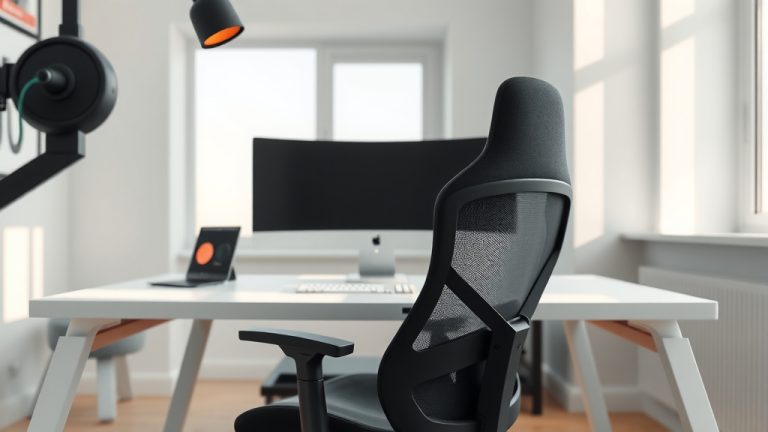
| Mesh Backrest | Excellent airflow, prevents heat trapping. |
| Breathable Seat Fabric | Reduces moisture buildup under your thighs and glutes. |
| Adjustable Lumbar Support | Supports good posture, which can reduce pressure points where sweat accumulates. |
| Minimal Padding | Less dense foam means less heat retention. |
We found that chairs with full mesh backs are often the top recommendation for those who experience significant back sweat. They are designed with airflow in mind.
Personal Habits and Environmental Adjustments
Beyond your chair, there are things you can do personally and in your workspace to stay drier.
Dress for Success (and Dryness)
Your clothing choices directly impact how much you sweat and how that sweat affects you. Think about what you wear to the gym – those principles apply here too.
- Opt for Natural Fibers: Cotton, linen, and bamboo are breathable. They allow air to pass through, helping sweat evaporate.
- Choose Moisture-Wicking Fabrics: Many athletic wear fabrics are designed to pull sweat away from your skin. These can be great for undershirts.
- Avoid Tight Clothing: Loose-fitting clothes allow more air circulation around your body.
- Layer Up: This lets you adjust your clothing based on temperature changes throughout the day.
Changing your wardrobe might seem simple, but it’s a powerful tool in your fight against back sweat.
Controlling Your Workspace Climate
You might not control the whole office thermostat, but you can often influence your immediate area. A cooler, less humid space will make a big difference.
- Use a Personal Fan: A small desk fan pointed at your back can create a cooling breeze.
- Adjust Air Vents: If you have control over a nearby vent, direct it to help circulate air.
- Stay Hydrated: Drinking plenty of water helps your body regulate temperature more efficiently.
- Take Breaks: Standing up and moving around periodically helps air circulate around your body and gives your back a break from contact with the chair.
Even small changes in your immediate environment can significantly reduce the amount of sweat you experience. We found that many people underestimate the power of a personal fan.
A Quick Checklist for a Drier Back
Here’s a simple checklist to help you tackle back sweat today:
- Check your chair for breathable materials (mesh is best).
- Add a breathable chair cushion or back support.
- Wear natural, loose-fitting, or moisture-wicking clothes.
- Use a personal fan near your workspace.
- Take short standing breaks throughout the day.
- Ensure your office temperature is comfortable.

Conclusion
Dealing with back sweat in your office chair doesn’t have to be your daily reality. By understanding the common culprits—like heat-trapping materials and poor airflow—you can make targeted changes. Remember, it’s often a combination of your chair, your clothes, and your environment. Even small adjustments, like adding a mesh cushion or using a personal fan, can make a huge difference.
You now have a clear roadmap to a more comfortable, drier workday. Start by assessing your current setup and pick one or two solutions to try. Your comfort and productivity are worth it!
Frequently Asked Questions
Is back sweat in an office chair normal?
Yes, it’s very common. Many people experience back sweat in their office chairs due to chair materials that trap heat and restrict airflow. It’s a natural reaction to your body trying to cool down when heat gets trapped.
Can a memory foam chair cause back sweat?
Memory foam can definitely contribute to back sweat. It’s known for conforming closely to your body, which reduces air circulation. This snug fit can trap heat and moisture, making you feel warmer and more prone to sweating.
How can I stop my back from sweating in a leather office chair?
Leather chairs are notorious for trapping heat. To reduce sweating, try adding a breathable mesh back support or a bamboo bead cushion. Wearing moisture-wicking fabrics and using a small personal fan can also help significantly.
What kind of chair is best for people who sweat a lot?
For those who sweat more, a chair with a full mesh back and a breathable fabric seat is usually the best choice. These designs maximize airflow and prevent heat from building up against your body, keeping you cooler and drier.
Does stress make you sweat more in your office chair?
Yes, stress can increase your body’s perspiration. When you’re stressed, your sympathetic nervous system is activated, which can lead to increased sweat production. Combine this with a heat-trapping chair, and you’re more likely to experience a sweaty back.