What Fabric Keeps You Cool in an Office Chair?
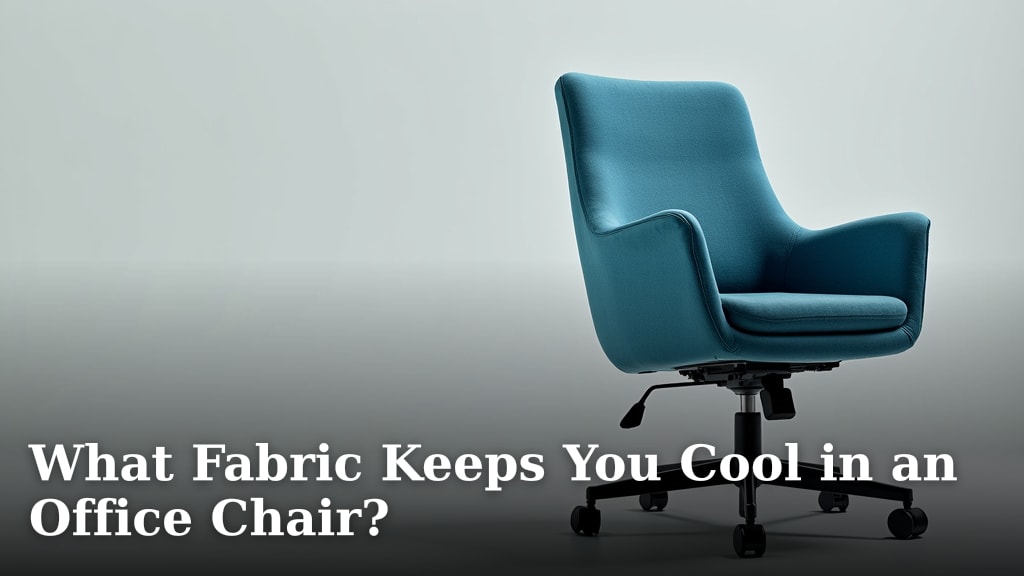
The best fabric for keeping you cool in an office chair is mesh. It offers superior breathability and airflow compared to other materials, preventing heat buildup. We found that mesh allows air to circulate freely around your back and legs.
Sitting for long hours can make you feel hot and sweaty. Choosing the right chair fabric makes a huge difference in your comfort. You want a material that wicks away moisture and lets your skin breathe, so you can stay focused without feeling sticky. We all know how distracting that can be!
- Mesh is best for airflow.
- Certain natural fabrics also breathe well.
- Avoid leather and vinyl for cooling.
- Chair design affects how cool you stay.
- Staying cool boosts your comfort and focus.
Let’s dive into the details of why certain fabrics help you stay cool and which ones to look for when buying your next office chair.
The Best Fabrics for Staying Cool in Your Office Chair
The clear winner for keeping you cool is mesh fabric. It offers unparalleled airflow, which is key to preventing heat buildup. We found that mesh lets your body breathe, making those long workdays much more comfortable.
Mesh: The Ultimate Breathable Solution
When it comes to staying cool, mesh truly shines. Think of it as a finely woven net. This structure creates tiny openings that allow air to flow freely through the chair back and seat. It doesn’t trap heat against your body.
How Mesh Chairs Keep You Cool
Mesh works like a natural ventilation system. Your body heat can escape easily, and cooler air can reach your skin. This constant air circulation prevents that sticky, sweaty feeling. It’s like having a gentle breeze on your back, even when you’re indoors. We found this makes a significant difference for people who tend to run warm.
Types of Mesh Materials
Not all mesh is created equal, but they all offer good ventilation. Some chairs use a polyester blend mesh, which is durable and supportive. Others feature a more flexible, elastic mesh that conforms to your body. Both types excel at promoting airflow. Look for a mesh that feels firm but still has a bit of give.
Natural Fabrics That Offer Good Breathability
While mesh is king, some natural fabrics can also help keep you cool. They might not offer the same level of ventilation as mesh, but they are often more breathable than synthetic alternatives. These options can provide a softer feel.
Cotton: A Familiar Comfort
You know cotton from your clothes; it’s a popular choice for a reason. Cotton is a natural fiber known for its breathability. It allows air to pass through relatively well. Cotton also has good moisture-wicking properties, meaning it can absorb sweat from your skin. This helps keep you feeling drier.
Wool: Surprisingly Cool
Wool might seem like an odd choice for cooling, but it’s actually quite effective. Many people associate wool with warmth, but certain types, like merino wool, are excellent at regulating temperature. Wool fibers can wick moisture away from your body, then release it into the air. This helps keep you cool in the summer and warm in the winter. It’s a very clever natural material.
Linen: Light and Airy
Linen is another natural fiber that offers great breathability. It’s often used in summer clothing because of its lightweight feel and ability to let air circulate. Linen chairs are less common, but if you find one, it could be a very cool option. It tends to be a bit more expensive due to its unique texture and properties.
Fabrics to Avoid If You Want to Stay Cool
Not all chair materials are created equal when it comes to temperature regulation. Some fabrics are designed to trap heat, which is the opposite of what you want in a hot office. Steering clear of these can save you a lot of discomfort. We’ve all sat in a chair that feels like it’s holding onto every bit of body heat. It’s not fun!
Leather: The Heat Trap
Leather chairs often look sleek and professional, but they are notoriously bad for cooling. Leather is a non-porous material, meaning it doesn’t allow air to pass through it. This traps heat between your body and the chair surface. After just a short time, you can feel hot and sweaty. This is especially true for genuine leather and bonded leather, which both tend to warm up quickly.
Vinyl: The Clingy Culprit
Similar to leather, vinyl is a synthetic material that doesn’t breathe. It can feel sticky and hot against your skin, especially on a warm day. Vinyl also tends to cling to your skin, which can make getting up from the chair feel a bit uncomfortable. We found that vinyl chairs often lead to more frequent adjustments, as you try to escape the warmth. It just doesn’t allow your body to cool itself naturally.
Comparing Office Chair Fabric Cooling Properties
To help you visualize the differences, here’s a quick comparison of common office chair fabrics and how well they help you stay cool. This table should give you a clear overview at a glance.
| Fabric Type | Breathability | Cooling Effect | Comfort Factor |
|---|---|---|---|
| Mesh | Excellent | Highest | Supportive, Ventilated |
| Cotton | Good | Medium-High | Soft, Absorbent |
| Wool | Good | Medium-High | Temperature Regulating |
| Linen | Good | Medium-High | Lightweight, Airy |
| Fabric (Synthetic Blend) | Medium | Medium | Soft, Varies by Blend |
| Leather | Poor | Lowest | Traps Heat, Non-Porous |
| Vinyl | Poor | Lowest | Traps Heat, Sticky |
Beyond Fabric: How Chair Design Impacts Cooling
While fabric is a huge factor, it’s not the only thing that keeps you cool. The overall design of an office chair also plays a big role. A well-designed chair will combine good materials with smart construction. This combination ensures maximum comfort, even on the hottest days.
Chair Back Design Matters
An open-back design or one with good lumbar support can improve airflow, even if the fabric isn’t mesh. If the back is solid and thick, it can restrict air movement. Some chairs have cut-outs or channels in the backrest, which also promote ventilation. We found that a chair designed to reduce contact points can also help.
Seat Design and Cushioning
The seat of your chair needs to breathe too. Thick, dense foam can retain heat. Look for chairs with less dense foam or designs that allow some air circulation beneath you. Some chairs even have perforated seats to aid in cooling. Your bottom can get just as warm as your back!
Choosing the Right Chair for Your Cooling Needs
Picking the perfect chair involves considering your specific environment and how you personally react to heat. Do you tend to sweat a lot? Is your office always a bit warm? These questions can guide your choice. We want you to be happy with your purchase for years to come. For those who spend extended periods at their desk, our guide to the best office chair for long hours offers solutions for sustained comfort.
Consider Your Work Environment
If you work in a warm climate or your office doesn’t have great air conditioning, prioritizing a mesh chair is a smart move. If your office is generally cool, you might have more flexibility with natural fabrics. Think about your daily routine. How many hours do you spend sitting?
Personal Preferences for Feel
Some people love the feel of mesh, while others prefer something softer. If you don’t like the slightly firmer feel of mesh, a cotton or wool blend might be a better compromise. It’s about finding what feels right for your body. Many experts say that personal comfort is paramount for productivity (Cleveland Clinic).
A Quick Checklist for a Cool Office Chair
When you’re out shopping for a new office chair, keep this handy checklist in mind. It will help you focus on the most important features for staying cool and comfortable.
- Look for a chair with a mesh back and seat.
- Check if the chair design promotes good airflow.
- Consider natural fabrics like cotton or wool for a softer feel.
- Avoid leather and vinyl if cooling is a top priority.
- Test the chair for comfort and breathability before buying.
- Think about your typical office temperature and how you react to heat.
Making an informed choice now will prevent discomfort later. You deserve to be comfortable and focused during your workday!

Conclusion
Choosing the right office chair fabric truly impacts your daily comfort and focus. We’ve seen that mesh fabric is your top choice for superior breathability and airflow, keeping you cool all day. Natural options like cotton, wool, and linen also offer good ventilation if you prefer a softer feel. Remember to steer clear of heat-trapping materials like leather and vinyl.
Beyond fabric, chair design with open backs and ventilated seats further boosts cooling. Consider your personal preferences and office environment when making your decision. By prioritizing breathability, you’ll create a much more comfortable workspace. So, take these tips and find a chair that keeps you cool, productive, and happy!
Frequently Asked Questions
Is mesh fabric durable for long-term use in an office chair?
Yes, modern mesh fabrics are designed to be quite durable. They are typically made from strong polyester blends that resist tearing and sagging. We found that good quality mesh can hold its shape and provide support for many years, even with daily use.
Can I add a cooling pad to my existing chair if it’s not breathable?
You certainly can. Cooling pads, often made from gel or breathable mesh, can provide some relief by adding a layer of ventilation or absorbing heat. While they won’t transform a non-breathable chair into a fully cool one, they can definitely improve your comfort in the short term.
How does humidity affect how cool a chair fabric feels?
Humidity plays a big role. In humid conditions, sweat doesn’t evaporate as easily, making you feel warmer. Highly breathable fabrics like mesh still perform best by allowing air to move, but even they might feel less “cool” than in a dry environment. Fabrics that wick moisture well, like wool, can also help.
Are there any hypoallergenic options for cool office chair fabrics?
Yes, many mesh fabrics are considered hypoallergenic because they don’t trap dust mites or allergens as easily as some upholstered materials. Wool can also be a good option for allergy sufferers due to its natural resistance to dust mites and mold. Always check product specifications if allergies are a concern.
Does the color of the chair fabric impact how cool it feels?
While the fabric type is far more important, lighter colors tend to absorb less heat than darker colors. This effect is more noticeable in direct sunlight. For an office chair, the material’s breathability and airflow are the primary factors for staying cool, but choosing a lighter mesh could offer a tiny additional benefit.