Can You Add a Seat Cushion to Any Office Chair?
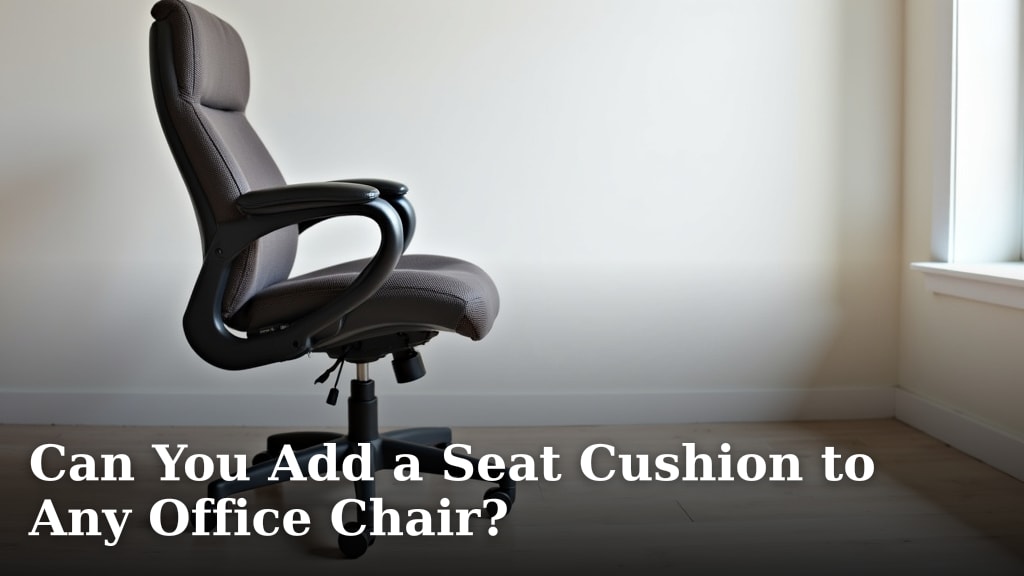
Yes, you can add a seat cushion to almost any office chair. Adding a cushion is a popular and effective way to improve comfort and support. You don’t need a fancy chair to feel better.
Many people find their office chairs lack proper padding or ergonomic design. A good seat cushion can transform your sitting experience. It helps distribute pressure and can reduce pain. We found that a cushion can make a big difference for your daily comfort.
- Most office chairs can use a cushion.
- Cushions improve comfort and support.
- They help with pressure distribution.
- Cushions can reduce aches and pains.
- It’s a simple, affordable upgrade.
Let’s dive into all the details about choosing and using office chair cushions. We’ll show you what to look for and how to get the most benefit.
Understanding Cushion Compatibility with Your Office Chair
You’re wondering if that extra cushion will truly work with your office chair, right? The short answer is almost always yes. Most office chairs are designed with a degree of versatility, allowing for personal customization. This means adding a seat cushion is usually a straightforward process.
Whether your chair is a basic task chair, a more advanced ergonomic model, or even a gaming chair, a cushion can fit. The main goal is to enhance your comfort and support. We found that the chair’s design usually doesn’t prevent a cushion from doing its job.
Assessing Your Chair’s Current Setup
Before you buy, take a quick look at your current chair. What kind of seat does it have? Is it firm, soft, or saggy? Understanding this helps you pick the right type of cushion. A cushion should complement, not fight, your chair’s existing design.
Think about how you sit now. Do you slouch? Is there pressure on your tailbone? These observations are key. They’ll guide you toward a cushion that addresses your specific needs. It’s like finding the right pair of shoes for your feet.
Chair Base Considerations
Most office chairs have a flat or slightly contoured seat pan. This provides a stable base for a cushion. You don’t need a perfectly flat surface, but it helps. Some chairs have very deep contours; these might need a specifically shaped cushion.
We found that a basic, relatively flat seat pan offers the most flexibility. It allows a cushion to do its work without interference. If your chair is heavily sculpted, just ensure the cushion’s shape can adapt.
Why You Might Need an Office Chair Cushion
Even if your chair seems okay, a cushion can offer significant benefits. Many people don’t realize what they’re missing until they try one. It’s not just about softening a hard seat; it’s about better ergonomics and health.
Sitting for long hours puts stress on your body. A cushion can ease this stress. It helps maintain your posture and keeps you comfortable. Think of it as a small investment in your long-term well-being.
Common Discomforts a Cushion Can Address
Do you ever feel a dull ache after an hour or two? Or numbness in your legs? These are common signs that a cushion could help. We found that many people experience similar issues. A cushion can be a simple fix.
- Tailbone pain: Often called coccydynia. A cutout cushion can relieve direct pressure.
- Lower back pain: Poor posture or lack of support contributes to this. A wedge cushion can help align your spine.
- Hip pain: Uneven weight distribution can strain your hips. A pressure-relieving cushion spreads your weight.
- Leg numbness or tingling: Can be caused by pressure on nerves and blood vessels under your thighs. Cushions can improve circulation.
- General fatigue: Uncomfortable seating makes you work harder to maintain posture. A good cushion reduces this effort.
Boosting Ergonomics and Support
Ergonomics isn’t just a buzzword; it’s about making your workspace fit you. A cushion can play a big part in this. It helps you maintain a healthy sitting posture. This means less strain on your muscles and joints.
Proper support reduces slouching and promotes a neutral spine. We found that even expensive chairs can benefit from a targeted cushion. It’s about optimizing your personal comfort, not just the chair’s features.
Many experts emphasize the importance of varied posture and support during long sitting periods (National Institutes of Health). A cushion can help achieve this.
Types of Office Chair Cushions Available
The world of seat cushions is surprisingly diverse. Each type offers different benefits. Knowing the options helps you choose wisely. You want a cushion that matches your needs and your chair.
From memory foam to gel, there’s a material and shape for almost everyone. Don’t feel overwhelmed; we’ll break it down for you. It’s about finding what feels best.
Popular Cushion Materials and Their Benefits
The material of your cushion makes a huge difference. It affects comfort, durability, and even how cool you stay. We’ve seen several materials stand out.
Memory Foam Cushions
Memory foam is a crowd favorite for a reason. It conforms to your body shape. This helps distribute pressure evenly. It’s great for relieving pain points.
However, memory foam can sometimes trap heat. If you tend to get warm, look for gel-infused or ventilated memory foam. These versions help with airflow.
Gel Cushions
Gel cushions offer a unique, fluid-like support. They’re excellent at absorbing shock and dissipating heat. Many people find them cooler than traditional memory foam.
They often come as a solid gel pad or a combination with foam. Gel can be a bit heavier, but its cooling properties are a big plus, especially in warmer climates.
Foam (High-Density) Cushions
Basic high-density foam cushions are a more affordable option. They provide firm support. They don’t conform as much as memory foam, but they prevent “bottoming out” (where you sink through the cushion).
These are good for general comfort improvement. They add a layer of padding without dramatically changing the feel of your chair. They’re a solid, reliable choice.
Air Cushions
Air cushions use inflatable cells to provide adjustable support. You can add or release air to customize firmness. This makes them highly adaptable. They excel at pressure redistribution.
These are often recommended for those with severe pressure points or mobility issues (Mayo Clinic). They can be a bit more expensive, but the customizability is a major benefit.
Cushion Shapes for Specific Needs
The shape of the cushion is just as important as the material. Different shapes target different areas of discomfort. Consider what part of your body needs the most attention.
Wedge Cushions
Wedge cushions are thicker at the back and taper towards the front. They subtly tilt your pelvis forward. This helps restore your spine’s natural curve. They’re great for improving posture and easing lower back pain.
If you find yourself slouching, a wedge cushion can be a game-changer. It gently encourages you to sit upright.
Donut or Ring Cushions
As the name suggests, these are shaped like a donut. They have a hole in the center. This design is specifically for relieving pressure on your tailbone (coccyx) or perineum. They’re often used after surgery or during pregnancy.
If you have direct pain on your tailbone, this is the cushion for you. It ensures there’s no direct contact with the chair’s surface.
U-Shaped or Coccyx Cushions
These are similar to donut cushions but have a U-shaped cutout at the back. This still provides excellent relief for your tailbone. The U-shape offers more support to your thighs than a full donut.
They are a very popular choice for anyone experiencing tailbone pain. We found them to be highly effective for many users.
Key Factors When Choosing Your Cushion
So, how do you pick the right one? It comes down to a few key considerations. Thinking about these factors will guide you to the perfect cushion. You want one that truly helps you feel better.
Your Specific Needs and Health Concerns
This is probably the most important factor. Are you experiencing lower back pain, tailbone discomfort, or just general fatigue? Your symptoms will dictate the best type of cushion. Don’t guess; pinpoint your pain.
For chronic pain, a doctor or physical therapist might offer guidance. Their recommendations can be invaluable. We often find that personalized advice works best.
Chair Size and Cushion Dimensions
A cushion shouldn’t be too big or too small for your chair. Too big, and it might hang over the edges or push you too far forward. Too small, and it won’t provide adequate support.
Measure your chair’s seat pan before buying. Most cushions come in standard sizes, but it’s good to double-check. You want a snug, supportive fit.
Material and Durability
Consider the material based on your comfort and temperature preferences. Also, think about how long you want the cushion to last. High-density foam and quality gel or memory foam tend to be more durable.
A removable, washable cover is a big plus. Life happens, and spills occur. Ease of cleaning adds to the cushion’s longevity and hygiene.
Portability and Stability
Do you need to move your cushion between chairs or take it with you? Some cushions are lightweight and easy to carry. Others are heavier and meant to stay put.
Also, look for non-slip bottoms. This prevents the cushion from sliding around on your chair. A stable cushion means you’re not constantly readjusting. This is crucial for consistent support.

Setting Up Your New Office Chair Cushion
Once you have your cushion, setting it up is usually simple. But there are a few tips to maximize its effectiveness. You want to get the most out of your new comfort tool.
Proper Placement for Maximum Benefit
Where you place the cushion matters. Generally, you want it centered on your chair’s seat. If it’s a coccyx cushion, ensure the cutout aligns with your tailbone.
For wedge cushions, the thicker part goes towards the back of the chair. This ensures you get the posture-correcting tilt. Experiment a little to find the sweet spot for your body.
Adjusting Your Chair After Adding a Cushion
Adding a cushion changes your sitting height. This means you might need to adjust your chair. The goal is to maintain proper ergonomic alignment.
- Lower your chair: You’ll likely be sitting higher, so lower your chair so your feet are flat on the floor.
- Adjust armrests: Ensure your forearms are parallel to the floor when typing, with shoulders relaxed.
- Check your desk height: Your keyboard and mouse should be at a comfortable level, preventing wrist strain.
- Re-evaluate monitor height: The top of your monitor should be at or slightly below eye level.
These small adjustments make a big difference in how your cushion works for you. Don’t skip this step!
Checklist for Choosing Your Perfect Office Chair Cushion
Ready to find your comfort savior? Use this quick checklist to guide your decision-making. You’ll be sitting pretty in no time!
Do you have specific pain points (tailbone, lower back, hips)?
What material feels best to you (memory foam, gel, high-density foam, air)?
Does the cushion’s shape match your needs (wedge, donut, U-shaped)?
Will it fit your chair’s dimensions and your body size?
Is the cover washable for easy cleaning and hygiene?
Does it have a non-slip bottom for stability?
| Cushion Type | Best For | Pros | Cons |
|---|---|---|---|
| Memory Foam | General comfort, pressure relief | Conforms to body, good support | Can trap heat, slower rebound |
| Gel | Cooling, shock absorption, pressure relief | Excellent cooling, durable | Can be heavier, more expensive |
| High-Density Foam | Affordable padding, firm support | Cost-effective, good basic support | Less contouring, not for severe pain |
| Air | Customizable support, severe pressure points | Highly adjustable, excellent pressure relief | Can be bulky, requires inflation adjustment |
| Wedge | Posture improvement, lower back pain | Corrects spinal alignment, reduces slouching | Can push you forward slightly |
| Coccyx/U-Shaped | Tailbone pain, post-surgery recovery | Relieves direct coccyx pressure | Specific use, may not suit general comfort |
Conclusion
You now know that adding a seat cushion is a simple, effective upgrade for almost any office chair. It’s a powerful way to boost your comfort and support. By understanding your needs and exploring the various types, you can find your perfect match. Don’t let discomfort hold you back.
Take the time to choose the right cushion and adjust your setup properly. You’ll transform your daily sitting experience. Your body will thank you for this small investment in your well-being.
Frequently Asked Questions
Can a seat cushion really fix my bad office chair?
While a cushion can greatly improve comfort and support, it won’t magically fix a fundamentally broken chair. It’s best for adding targeted relief and improving ergonomics. If your chair is severely damaged or lacks basic adjustability, a new chair might be a better long-term solution.
How do I know if I need a coccyx cushion or a general support cushion?
If you experience sharp pain directly on your tailbone, especially after sitting, a coccyx cushion is likely what you need. For more general aches in your lower back, hips, or legs, a general support cushion, like a memory foam or gel option, will probably be more beneficial. Pay attention to your specific pain points.
Will a seat cushion make me too tall for my desk?
It’s possible! Adding a cushion does increase your sitting height. You’ll likely need to lower your office chair to keep your feet flat on the floor. Remember to re-adjust your armrests and monitor height too, to maintain proper ergonomics.
How long do office chair cushions typically last?
The lifespan of a cushion varies based on its material quality, how often you use it, and your body weight. High-density foam or quality gel/memory foam cushions can last anywhere from 1 to 3 years or even longer. Look for cushions with durable covers and good reviews for longevity.
Can I use a regular pillow instead of a specialized seat cushion?
While a regular pillow might offer temporary softness, it generally won’t provide the structured support or pressure relief of a specialized seat cushion. Pillows compress quickly and don’t maintain their shape, meaning they won’t offer consistent ergonomic benefits. It’s best to invest in a cushion designed for sitting.