How to Add Cushion to a Hard Office Chair?
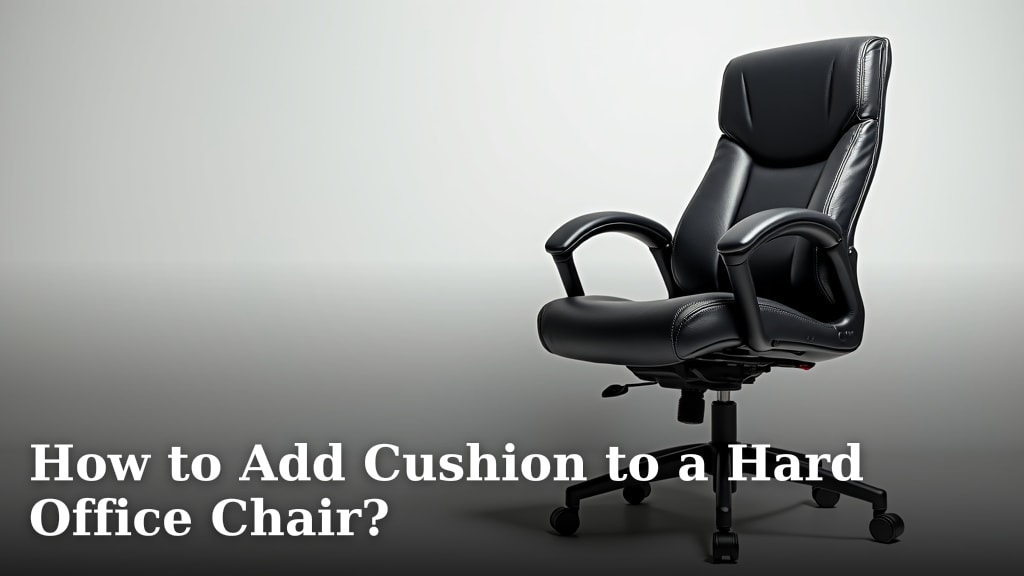
The easiest way to add cushion to a hard office chair is to get a quality seat cushion. You can find many options designed for comfort and support. These cushions fit right on top of your existing chair.
Working on a hard chair can be tough on your body. Many people experience discomfort and pain over time. Adding extra padding helps reduce pressure points and improve your posture. It’s an effective way to make your workday much more bearable and productive.
- Instantly relieve pressure and pain.
- Improve your posture with better support.
- Choose from various cushion types and materials.
- Extend the life of your office chair.
- Make your workspace more comfortable.
Ready to transform your hard office chair into a comfy throne? Let’s walk through exactly how to choose and use the best cushioning solutions, step by step.
Enhancing Your Office Chair Comfort
Transforming your hard office chair into a comfortable workspace is easier than you think. You have several effective options. The key is to address pressure points and improve support for your body.
Understanding Seat Cushions
Seat cushions are your first and best line of defense against a hard chair. They add an immediate layer of comfort. Choosing the right one can make a huge difference in your daily comfort. We’ll explore the main types.
Memory Foam Cushions
Memory foam is a popular choice for a reason. This material molds to your body’s shape. It provides excellent pressure relief. Think of it like a custom-made bed for your bottom.
These cushions distribute your weight evenly. This helps reduce discomfort in your hips and tailbone. Many people find them incredibly supportive for long hours.
Gel Cushions
Gel cushions offer another fantastic solution. They often have a grid-like structure. This design allows for air circulation, which keeps you cool. Nobody likes a sweaty seat.
They are known for their ability to absorb impact. Gel cushions provide a buoyant feeling. This can be great if you feel like you’re sinking too much with other materials.
Wedge Cushions
Wedge cushions are unique. They are thicker at the back and thinner at the front. This design helps tilt your pelvis forward slightly. Why is this good?
It encourages a more natural lumbar curve. This small change can greatly improve your posture. Many people use them to reduce lower back pain.
Coccyx Cushions
Do you ever feel pain right at the base of your spine? That’s your coccyx, or tailbone. Coccyx cushions have a cutout at the back. This gap relieves direct pressure on that sensitive area.
These are especially helpful for anyone with tailbone injuries or discomfort. We found that many users report significant relief with this design.
Material Matters: What to Look For
The internal material of your cushion is vital. But don’t forget the cover. A good cover should be durable and easy to clean. Look for breathable fabrics too.
| Cushion Material | Key Benefit | Ideal For |
|---|---|---|
| Memory Foam | Pressure point relief | Long sitting periods |
| Gel | Cooling, impact absorption | Warm environments |
| High-Density Foam | Firm support, durability | Heavier individuals |
| Air Cell | Adjustable firmness | Customizable comfort |
Adding Back Support
A great seat cushion is a start, but don’t forget your back. Your spine needs support too. Adding a lumbar cushion can complete your comfort setup. It works with your seat cushion to create a full support system.
Lumbar Support Cushions
These cushions fit into the natural curve of your lower back. They help maintain your spine’s alignment. This reduces strain and encourages good posture. It’s like having a gentle hand supporting your back all day.
Many experts say that proper lumbar support is crucial for preventing back pain (Mayo Clinic). Look for one that adjusts or has straps to keep it in place.
Consider the Armrests
Are your chair’s armrests hard plastic? They can cause discomfort in your elbows and forearms. You can add padding here too. Armrest pads are soft covers that slip over your existing armrests. They provide a much softer surface. This small addition can make a big difference for your upper body comfort.
DIY Cushioning Solutions
Maybe you’re on a budget, or you like to craft. There are some simple DIY options. These might not offer the same ergonomic benefits as specialized cushions. But they can definitely improve comfort in a pinch.
- Folded Towels or Blankets: A thick, folded towel can add some padding. It’s not ideal for long-term use, but it’s a quick fix.
- Old Pillows: An old throw pillow can work in a similar way. Just make sure it’s firm enough not to flatten completely.
- Layering Foam Scraps: If you have access to foam, you can cut and layer pieces. Cover them with fabric for a more finished look.
Checking Your Chair’s Ergonomics
Even with cushions, a poorly adjusted chair can still cause problems. Take a moment to adjust your chair properly. This ensures your cushions are working with you, not against you. Your feet should be flat on the floor or on a footrest. Your knees should be at about a 90-degree angle. Your monitor should be at eye level. These adjustments are foundational to good posture.
Maintaining Your Cushions
Just like your chair, your cushions need a little care. Regular cleaning keeps them fresh. Check the manufacturer’s instructions for cleaning. Most have removable, washable covers. This keeps them hygienic and extends their life. Cushions don’t last forever. Over time, they lose their bounce and support. When that happens, it’s time for a replacement. Think of it as an investment in your health.
Your Comfort Checklist
Ready to make your office chair truly comfortable? Here’s a quick checklist to guide you:
- Identify your main discomfort areas (e.g., tailbone, lower back).
- Choose a seat cushion type that addresses those areas.
- Consider adding a lumbar support cushion for your back.
- Look for breathable and easy-to-clean cushion materials.
- Adjust your chair’s height and position for optimal ergonomics.
- Don’t forget padded armrests for elbow comfort.
By following these steps, you’re well on your way to a much more pleasant workday. Your body will thank you!
Conclusion
You now have a complete toolkit to transform your hard office chair. Remember, even small changes can make a big difference in your daily comfort. By choosing the right cushions, supporting your back, and fine-tuning your chair’s ergonomics, you’re investing in your well-being. Don’t let discomfort disrupt your focus or productivity.
Take that first step today. Select a cushion type that best fits your needs, try it out, and feel the difference. Your body will definitely thank you for creating a more supportive and comfortable workspace.
Frequently Asked Questions
How often should I replace my office chair cushion?
Most seat cushions last between 1 to 3 years. Over time, the materials compress and lose their supportive properties. If you notice your cushion flattening out or no longer providing relief, it’s a good sign it’s time for a replacement.
Can a seat cushion really help with lower back pain?
Yes, many people find significant relief from lower back pain with a good seat cushion. Cushions that promote proper spinal alignment, like wedge or coccyx cushions, can reduce pressure. Combining them with a lumbar support cushion often provides the best results.
Are expensive cushions always better?
Not necessarily. While higher-priced cushions often use premium materials and designs, a mid-range cushion can still offer excellent support and comfort. We recommend focusing on the specific features you need, like material type and ergonomic design, rather than just the price tag.
Can I use a regular pillow instead of a specialized cushion?
While a regular pillow can offer temporary softness, it generally won’t provide the ergonomic support needed for long-term sitting. Specialized cushions are designed to maintain their shape and offer targeted pressure relief. Pillows tend to flatten quickly and can worsen posture.
What’s the best way to clean my chair cushion?
Always check the manufacturer’s care instructions first. Most quality cushions have removable covers that are machine washable. For the inner foam, spot cleaning with a mild detergent and allowing it to air dry completely is usually recommended. Avoid submerging foam in water.