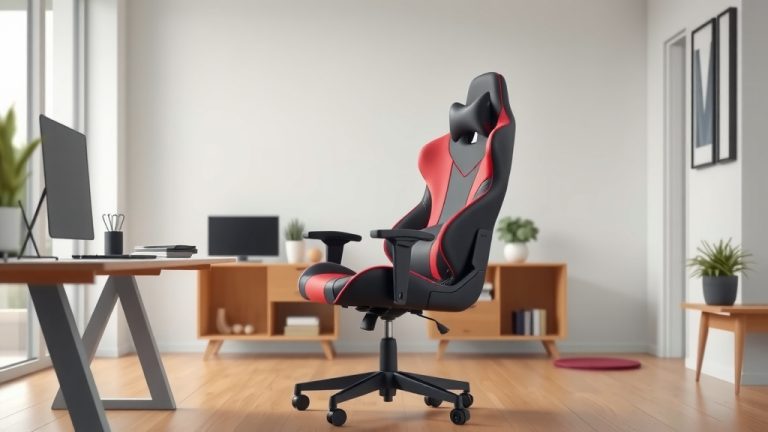
Why Does My Office Chair Squeak When I Lean Back?

Your office chair squeaks when you lean back because of friction between moving parts, often due to a lack of lubrication or loose components. Over time, metal-on-metal contact or worn plastic pieces cause those annoying sounds.
That squeak means your chair is telling you something. It’s usually a sign that routine maintenance is needed to keep things running smoothly. This sound often comes from the tilt mechanism, springs, or gas lift, especially with regular use.
- Your chair squeaks due to friction.
- Lubrication issues are a common cause.
- Loose bolts can also make noise.
- Worn parts contribute to squeaking.
- Fixing it is often simple.
Let’s look at why your chair makes those noises and how you can silence them for good.
Understanding Why Your Office Chair Squeaks When You Recline
You’re just trying to relax for a second, but then it happens: that familiar, grating squeak. Why does your office chair make that noise every time you lean back? We’ve found that it mostly comes down to friction and wear in the chair’s moving parts. Imagine two surfaces rubbing together without proper lubrication; that’s often the root cause of the problem.
Your office chair is a complex piece of equipment, designed with many parts that allow for adjustment and movement. When you lean back, you engage several of these mechanisms. Over time, these parts can become dry, loose, or simply worn out. It’s a common issue, and thankfully, it’s usually easy to diagnose and fix.
Common Culprits Behind the Creak
We’ve looked into this, and several areas are usually to blame when your chair starts singing that squeaky song. Pinpointing the exact source can feel like detective work, but knowing the usual suspects helps. It’s often not just one thing, but a combination of issues contributing to the noise. Let’s break down where those bothersome sounds originate.
The Tilt Mechanism
The tilt mechanism is the heart of your chair’s recline function. This is the part that allows you to lean back and lock the chair into various positions. It contains springs, pivots, and gears. We’ve found that a lack of lubrication in these components is a frequent cause of squeaking. Metal rubbing against metal or plastic without a buffer creates noise.
Think of it like a rusty gate hinge. Without oil, it groans. Your chair’s tilt mechanism works similarly. As you lean back, these parts shift. If they’re dry, they’ll complain loudly. This area often takes a lot of stress, so wear is natural over time.
Loose Bolts and Fasteners
Just like any piece of furniture, your office chair uses bolts and screws to hold everything together. Over time, and with daily use, these fasteners can gradually loosen. When you lean back, the movement creates slight shifts in the frame, causing the loose parts to rub against each other or the chair’s components. This friction generates noise.
Imagine a wobbly table leg. It’s stable enough to stand, but a slight nudge makes it creak. Your chair’s loose bolts act in the same way. A quick tightening can often silence these sounds. It’s a simple fix that many people overlook.
The Gas Lift Cylinder
The gas lift cylinder is what allows you to adjust the height of your chair. While it mostly moves up and down, it also plays a role when you lean back. We found that the gas lift can sometimes squeak if it’s dirty, dry, or if the seals inside are starting to wear out. The sound might come from where the cylinder meets the seat or the chair base.
If the squeak happens not just when leaning, but also when you shift your weight even slightly, the gas lift might be a factor. It’s a key structural element, and any friction within or around it can translate into noise. Sometimes, a gentle cleaning around its casing can help.
Worn or Dry Bushings and Washers
Many chairs use small plastic or nylon bushings and washers between metal parts. These tiny components are designed to reduce friction and prevent metal-on-metal contact. With age and use, these bushings can wear down or become dry. When they no longer do their job effectively, the underlying metal parts rub directly against each other, creating that dreaded squeak.
Think of them as tiny shock absorbers for movement. If they’re gone or stiff, the impact is felt directly. This is particularly common in areas where the chair swivels or pivots. Inspecting these small parts can reveal a big problem.
Identifying the Source of the Squeak
Finding out exactly where the noise is coming from is the first step to fixing it. You’ll need to be a bit hands-on for this. It might feel like you’re playing a game of “hot or cold,” but with a methodical approach, you can pinpoint the exact area. This process involves moving your chair and listening carefully. Don’t worry, you don’t need any special tools for this initial check.
The Lean-Back Test
Sit in your chair and slowly lean back, listening intently. Try to identify the general area of the sound. Does it seem to come from under the seat? From the backrest? Near the base? Listen for a subtle change in the sound as you adjust your posture. Repeat this several times, varying the speed of your lean. This helps confirm the noise is consistent with the movement.
Then, try leaning to one side as you recline. Does the squeak get louder or softer? This can help narrow it down to a particular side of the chair. It’s like finding a leak in a tire; you need to feel around for it. This simple test is surprisingly effective.
The Swivel and Height Test
If the lean-back test isn’t definitive, try swiveling your chair in a full circle. Listen for any squeaks during the rotation. Then, raise and lower the chair’s height several times. Do you hear any noise during these adjustments? If so, the gas lift or the connection points to the base might be the issue.
These extra tests help isolate the sound. Sometimes, a squeak that appears when leaning back is actually triggered by a slightly loose connection that just happens to flex more during that motion. Checking all movement points gives you a clearer picture.
Your Squeaky Chair Maintenance Checklist
Ready to silence that noisy chair? Here’s a quick checklist to guide you through the process. Most of these steps are simple and only require basic tools and a good lubricant. You’ll be amazed at how a little effort can make a big difference in your daily comfort.
- Tighten All Bolts and Screws: Use an Allen wrench or screwdriver to snug up every visible fastener, especially under the seat and where the backrest connects. Don’t overtighten, but make sure they’re secure.
- Lubricate Moving Parts: Apply a silicone-based lubricant spray (NOT WD-40, which can attract dust) to the tilt mechanism, springs, and any pivot points. Wipe away excess.
- Check the Gas Lift: Clean any grime around the top and bottom of the gas lift cylinder. If the squeak persists, a thin spray of silicone lubricant at its connection points can sometimes help.
- Inspect Bushings and Washers: Look for worn or missing plastic pieces. If they’re damaged, you might need to find replacements or improvise with electrical tape for a temporary fix.
- Clean the Chair Base: Dust and debris can accumulate in the chair’s base and casters, causing friction. A good cleaning can sometimes resolve subtle squeaks.
Choosing the Right Lubricant
When it comes to lubricating your chair, the type of product you use really matters. You want something that will reduce friction effectively and last a while, without attracting more dust. Many experts, including those who maintain office equipment, recommend specific types of lubricants for chair components.
We found that silicone-based lubricants are your best friend here. They create a smooth, slippery surface, are generally safe for both metal and plastic, and don’t attract dirt as much as oil-based products. A spray lubricant with a small straw attachment works wonders for getting into tight spots.
Avoid using WD-40 or similar multi-purpose oils. While they might provide temporary relief, they tend to break down plastic over time and can attract dust and grime, making the problem worse in the long run. Stick to silicone for the best results and a longer-lasting fix.
When to Consider a Replacement
While many squeaks are fixable, there comes a point when a chair might be beyond repair, or simply not worth the effort. How do you know when it’s time to throw in the towel and invest in a new one? It’s not just about the noise; it’s about your comfort and productivity.
If you’ve tried all the maintenance steps and the squeak persists, or if other parts of the chair are also failing (like a broken recline lock or a constantly sinking gas lift), it might be time for an upgrade. A chair that constantly causes discomfort or distraction isn’t serving its purpose. Investing in a new, ergonomic chair can significantly improve your daily work experience. Think of it as investing in your well-being.
Preventing Future Squeaks: Best Practices for Chair Care
Once you’ve silenced your chair, you’ll want to keep it that way! Regular, simple maintenance can significantly extend the life of your office chair and prevent those annoying squeaks from returning. We’ve found that proactive care is much better than waiting for problems to arise. It’s like routine car maintenance; a little effort goes a long way.
Regular Tightening Schedule
Just like checking the air in your tires, periodically tightening your chair’s bolts and screws is a smart habit. We recommend doing a quick check every three to six months. This helps ensure that vibrations from daily use don’t gradually loosen fasteners, which is a primary cause of squeaks.
You don’t need to do a full overhaul each time. Just grab your Allen wrench and give each bolt a gentle turn. If it’s already snug, leave it. This simple ritual can save you from future headaches and interruptions.
Occasional Lubrication
Even if your chair isn’t squeaking, a light lubrication of the key moving parts every six to twelve months can be very beneficial. Focus on the tilt mechanism, the pivot points for the backrest, and where the gas lift cylinder meets its connections.
Use that silicone-based spray we talked about earlier. A small amount is usually enough. This preventative measure keeps friction at bay and ensures your chair moves smoothly and quietly. It’s a small investment of time for a much more peaceful workday.
Keep It Clean
Dust, pet hair, and general office grime can build up in the moving parts of your chair, contributing to friction. We’ve found that a simple regular cleaning can make a difference. Use a damp cloth to wipe down the base, under the seat, and around the casters. A vacuum cleaner with a brush attachment can help with hard-to-reach areas.
Removing this accumulated debris prevents it from getting into mechanisms and causing issues. A clean chair isn’t just about aesthetics; it’s about functionality too. It’s a small effort that helps maintain smooth operation.
| Squeak Location | Possible Causes | Recommended Action |
|---|---|---|
| Under Seat / Tilt Mechanism | Dry springs, loose bolts, worn bushings. | Tighten bolts, lubricate springs/pivots with silicone spray. |
| Backrest Connection | Loose bolts where backrest meets seat/frame. | Tighten all connecting bolts. |
| Gas Lift Cylinder | Dirt, dry seals, friction at connection points. | Clean cylinder, apply thin layer of silicone lubricant at top/bottom junctions. |
| Chair Base / Casters | Loose base bolts, dirty casters, worn wheel bearings. | Tighten base bolts, clean casters, check for damaged wheels. |

Conclusion
A squeaky office chair when you lean back is a common annoyance, but it’s rarely a serious problem. It almost always points to friction between moving parts that need a little attention. By identifying the source—whether it’s the tilt mechanism, loose bolts, or the gas lift—you can usually fix it quickly.
Remember that a little lubrication with a silicone spray and routine tightening can make a huge difference. Don’t let a noisy chair disrupt your focus. Take a few minutes to give it some TLC; you’ll enjoy a much quieter and more comfortable workspace.
Frequently Asked Questions
Is it bad if my office chair squeaks?
Generally, a squeaking office chair isn’t dangerous, but it is a sign that parts are rubbing together. This friction can lead to faster wear and tear over time if left unaddressed. It also just creates an irritating noise.
Can WD-40 fix a squeaky chair?
While WD-40 might offer temporary relief, we don’t recommend it for office chairs. It tends to attract dust and dirt, making the problem worse in the long run. It can also degrade plastic or rubber components, so stick to silicone-based lubricants.
How often should I lubricate my office chair?
For preventative maintenance, lubricating key moving parts with a silicone spray every six to twelve months is a good practice. If your chair is heavily used or starts squeaking sooner, you can lubricate it more frequently.
What if my chair still squeaks after I tighten everything?
If tightening bolts and lubricating parts doesn’t work, inspect smaller components like bushings and washers. These tiny pieces can wear out and might need replacement. Sometimes, the gas lift cylinder itself could be the source if it’s faulty.
Can a squeaky office chair be a sign it’s time for a new one?
Usually, no. Most squeaks are easily fixed with basic maintenance. However, if the squeaking is accompanied by other issues like a constantly sinking gas lift, a broken recline lock, or general instability, then it might be time to consider a replacement for comfort and safety.