
How to Keep Office Chair from Rolling Away?
Your office chair keeps rolling away when you don’t want it to? You can stop your office chair from rolling by using a few simple tricks. Often, the easiest solution is to lock the casters or use a chair mat. These methods help keep your chair stable on different floor types.
It’s frustrating when your chair slides unexpectedly. This can disrupt your workflow and even pose a safety hazard. We found that understanding why your chair rolls is key to fixing it. Whether it’s slick floors or worn-out wheels, there are practical solutions for this common office problem.
- Lock your chair’s casters.
- Use a chair mat on hard floors.
- Consider wheel stoppers for carpets.
- Check for worn-out wheels.
- Sometimes, a new base is needed.
Let’s dive into the most effective ways to keep your office chair firmly in place.
Stopping Your Office Chair from Drifting Away
It’s a common office annoyance. You lean back, and your chair glides away. This can feel like your chair has a mind of its own! Fortunately, there are straightforward ways to keep your office chair from rolling when you don’t want it to. We’ve researched the most effective methods to give you peace of mind and stable seating.
Understanding Why Your Chair Rolls
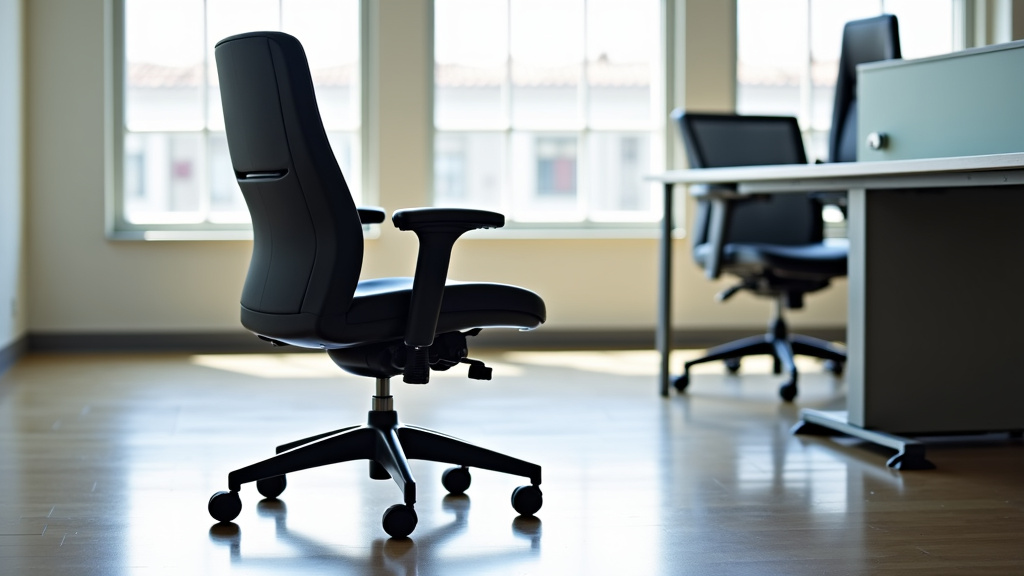
Before we fix the problem, it helps to know why it’s happening. Most rolling office chairs use casters, which are small wheels. These are great for smooth movement on hard floors. But, they can cause unwanted sliding on slick surfaces or if they become worn down.
Sometimes, the issue isn’t the floor or the casters themselves. It might be the way the casters are designed. Many office chairs come with casters meant for carpet. Using these on hard floors can lead to extra slippage. We found that identifying the type of casters and your floor surface is a key first step.
Locking Your Chair’s Casters: The Direct Approach
Many modern office chairs have a built-in feature to prevent rolling. This is usually a lever or a button on the caster itself. You might need to inspect each caster to find it. Some chairs have a single lever under the seat that controls all casters at once. We found that this is often the quickest solution if your chair has it.
How do you use these locks? It varies by chair model. For some, you simply press down on a small lever on the caster stem. For others, you might need to push a button. If you’re unsure, check your chair’s user manual. Many manufacturers provide guides online. Research shows that using caster locks is a simple yet effective way to stop movement.
What if your chair doesn’t have lockable casters? Don’t worry, there are other options. We discovered that you can often replace your existing casters with lockable ones. This is a great DIY fix if you’re comfortable with minor assembly. You simply pull out the old casters and pop in the new ones. Make sure to buy casters that are compatible with your chair’s stem size.
Using a Chair Mat: A Foundation for Stability
A chair mat can make a world of difference. These mats sit on your floor and provide a stable surface for your chair’s casters. They are especially useful on hard floors like hardwood, laminate, or tile. A good chair mat will have a textured surface that grips your casters. This prevents them from sliding around.
When choosing a chair mat, consider your flooring and your needs. For hard floors, look for mats with a smooth underside and a slightly textured top. This prevents the mat from shifting. For carpet, you’ll want a mat with “grippers” on the underside. These are small spikes that anchor the mat to the carpet fibers. We found that a mat specifically designed for your floor type is crucial for stability.
Do chair mats actually work? Yes, and here’s why. They create a consistent surface for your casters. Instead of rolling on a potentially slick floor, they roll on the mat’s surface. This limits uncontrolled movement. Many ergonomic experts recommend them because they also protect your floors from wear and tear. Plus, they make it easier to move your chair around within the mat’s area. This can reduce strain on your body.
Choosing the Right Mat Material and Size
Chair mats come in various materials. Polycarbonate is a popular choice. It’s durable and clear, so it won’t hide your flooring. Vinyl is another option, often more affordable. However, vinyl can sometimes crack or become brittle over time, especially in colder temperatures. We found that polycarbonate mats tend to last longer and offer better stability.
Think about the size you need. Do you mostly stay in one spot? A smaller mat might suffice. Do you move around your desk area a lot? You’ll want a larger mat. Measure the area where your chair typically moves. Add a few extra inches around the edges for comfort. A mat that’s too small will limit its effectiveness.
Wheel Stoppers and Chocks: Simple but Effective
For a no-fuss solution, consider wheel stoppers or chocks. These are small devices that fit around your casters. They physically block the wheels from rolling. Think of them like the chocks used for airplane wheels. They are very effective at preventing movement in any direction.
You can find wheel stoppers made of rubber or plastic. They are designed to fit various caster sizes. Some are just simple wedges, while others are more like cups that surround the caster. We found that rubber stoppers often offer better grip and are less likely to slip themselves. They are a great temporary or permanent fix, especially if you don’t want to replace casters or buy a large mat.
These are particularly useful if you have a carpeted office. While chair mats with grippers work, sometimes the carpet is very thick. Wheel stoppers provide an extra layer of security. They are also portable. You can easily take them with you if you move your workstation or work from different locations. We discovered they are also very budget-friendly.
When Casters Are Worn Out or Damaged
Sometimes, the problem isn’t the floor or the lack of a mat. It’s the casters themselves. Over time, office chair casters can wear down. The wheels might become flattened, cracked, or lose their grip. This can cause your chair to roll more easily or even wobble unevenly.
Inspect your casters closely. Look for any signs of damage or excessive wear. If one or more casters are visibly damaged, it’s time to replace them. Research from furniture specialists suggests that replacing worn casters can restore stability and prolong the life of your chair. It’s often cheaper than buying a whole new chair.
What kind of replacement casters should you get? As mentioned earlier, you can get lockable casters. You can also find rollerblade-style casters. These are popular because they roll very smoothly and quietly on most surfaces. They often have a polyurethane wheel that offers good grip. Make sure the stem size matches your chair. Most office chairs use a standard stem size, but it’s always best to check.
Considering a New Chair Base
In rare cases, the problem might be more significant. If your chair base is damaged or warped, even new casters might not fix the rolling issue. The base is the star-shaped part where the casters attach. If this is bent or broken, it can cause instability.
A damaged base can be a safety concern. If you notice wobbling that isn’t related to the casters, or if the base itself looks compromised, it might be time for a replacement. Some manufacturers sell replacement bases. This is another DIY project that can save you money. However, if the damage is severe, it might be more practical to invest in a new office chair altogether. We found that for most minor rolling issues, replacing casters or using mats are sufficient. A base replacement is usually for more serious structural problems.
A Quick Checklist for a Stable Chair
Here’s a quick rundown to help you achieve a non-rolling office chair:
- Check for built-in locks: Look for levers or buttons on your casters or under the seat.
- Assess your floor type: Hardwood, tile, laminate, or carpet? This guides your solution.
- Consider a chair mat: Consider a chair mat, which is essential for hard floors and helpful for carpets with grippers. Essential for hard floors, helpful for carpets with grippers.
- Inspect casters for damage: Worn, cracked, or flattened wheels need replacement.
- Try wheel stoppers: A simple, effective way to block rolling on any surface.
- Evaluate the chair base: If damaged, it might require a new base or chair.
Choosing the Right Solution for You
The best method for you depends on a few factors. Your budget is one. Your floor type is another. How much do you move around your workspace? If you have hard floors and want a sleek look, a polycarbonate chair mat is a solid investment. They protect your floors and provide a smooth rolling surface. Many experts agree that mats are excellent for preventing caster wear on hard surfaces. For hard floors and a sleek look, a polycarbonate chair mat is a solid investment that protects floors.
If you prefer a quick fix or have a carpeted office, wheel stoppers might be ideal. They are inexpensive and easy to use. We found they are especially good for people who don’t want to modify their chair or buy a large mat. If your chair already has lockable casters, using them is the simplest solution. Don’t forget to check if you can replace your existing casters with lockable or rollerblade-style ones if they are worn out.
Ultimately, keeping your office chair from rolling away is about finding the right combination of stability and mobility for your needs. With these tips, you can create a more secure and comfortable workspace. Your back (and your colleagues) will thank you!
Conclusion
You’ve learned that stopping your office chair from rolling away is totally achievable. Whether you use built-in caster locks, a reliable chair mat, or simple wheel stoppers, you have effective options. We found that even worn-out casters can be replaced for renewed stability. Don’t let a drifting chair disrupt your focus or comfort. Take a moment today to assess your chair and floor, then implement the best solution for your workspace. You’ll enjoy a more secure and productive environment.
Frequently Asked Questions
Can I use furniture sliders instead of a chair mat?
Furniture sliders are generally not recommended for office chairs. They are designed for static furniture placement and can prevent you from moving your chair at all, which defeats the purpose of an office chair. Chair mats offer a smooth rolling surface while also preventing unwanted movement.
How do I know if my office chair casters are the problem?
Inspect your casters for visible wear and tear. If you see cracks, flat spots, or if they feel wobbly or uneven when you roll the chair, they are likely the issue. Worn casters can significantly reduce stability and cause unexpected rolling.
Are lockable casters a good permanent solution?
Lockable casters are an excellent permanent solution if your chair is compatible. They offer direct control over your chair’s mobility, allowing you to lock it in place when needed and unlock it for movement. This provides a great balance of stability and functionality.
Will a chair mat damage my hardwood floors?
A quality chair mat, especially one designed for hardwood floors, should not damage your flooring. It acts as a protective layer. Look for mats with a smooth underside and ensure you choose the right material, like polycarbonate, which is less likely to cause marring or discoloration.
Is it worth replacing casters or buying a new chair base?
Replacing worn casters is almost always worth it, as it’s a cost-effective way to restore stability and prolong your chair’s life. Replacing a chair base is less common and usually only necessary if the base is severely damaged or warped, in which case a new chair might be a more practical investment.
