
How to Measure Office Chair Seat Height?
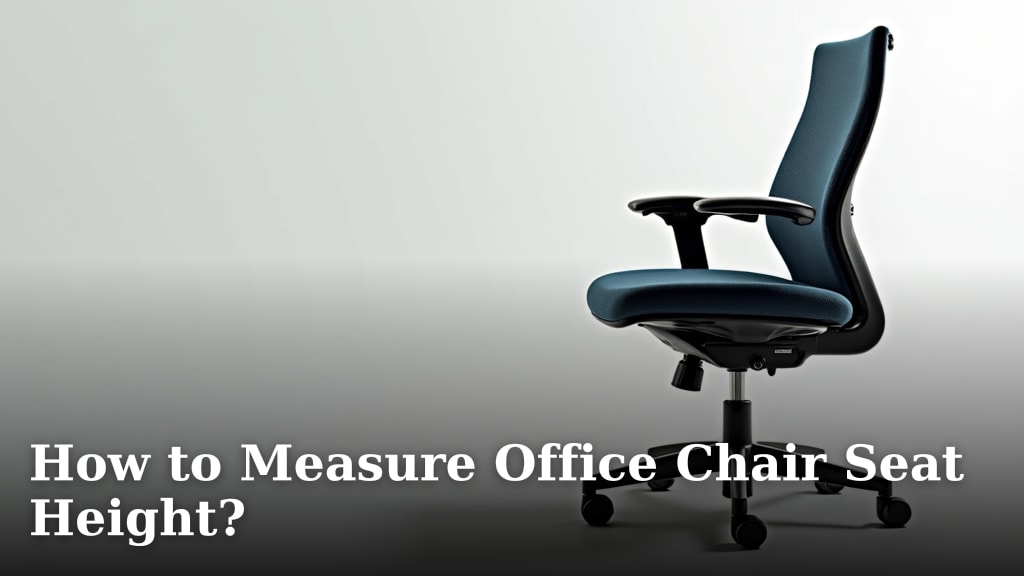
Measuring your office chair seat height correctly is key for comfort and good posture. You want your feet flat on the floor with your knees at a 90-degree angle. The best seat height allows you to achieve this position easily. We found that proper measurement prevents strain and boosts productivity. Learning how to sit properly in an office chair ensures you get the most out of your adjustments.
Getting this measurement right is more than just a number; it’s about creating an ergonomically sound workspace. An adjustable office chair is your best friend here. Making small adjustments can have a big impact on your well-being throughout the workday. Many people overlook this simple step, which is a shame.
- Adjust your chair so your feet are flat.
- Ensure your knees are bent at a right angle.
- Your thighs should be parallel to the floor.
- This measurement prevents discomfort and strain.
Let’s walk through exactly how to measure your office chair seat height step by step to ensure you’re sitting just right.
“`htmlSetting Your Office Chair Seat Height Correctly
Getting your office chair seat height right is a foundational step for a comfortable and healthy workday. It’s not just about looking good; it’s about preventing aches and pains that can sneak up on you. We found that the ideal height allows your body to work with the chair, not against it.
You want to feel supported, not perched or crammed. This measurement ensures your workstation is ergonomically sound. It’s a simple adjustment with big benefits for your posture and energy levels. Let’s make sure your chair is set up for success.
Understanding the Ideal Seating Position
Before you even touch a lever, let’s talk about what “just right” looks and feels like. The goal is to achieve a balanced posture that minimizes stress on your body. We’ve seen many people struggle with this, so let’s break it down.
Your Feet Should Rest Flat
Imagine your chair as a well-fitted pair of shoes for your lower body. Your feet need to be able to rest completely flat on the floor. This provides a stable base of support. If your feet are dangling or you’re on your tiptoes, your seat height is definitely off.
Knees at a 90-Degree Angle
This is a key indicator of proper seat height. When your feet are flat, your knees should naturally bend at approximately a 90-degree angle. Think of it like sitting comfortably on a dining chair. Your shins should be roughly perpendicular to your thighs.
Thighs Parallel to the Floor
Your thighs should also be parallel to the floor. This creates an open hip angle. When your thighs are angled downward, it can put pressure on the back of your knees. If they’re angled upward, it can feel like you’re sliding off the seat. The parallel position is the sweet spot.
How to Measure Your Office Chair Seat Height: Step-by-Step
Now, let’s get down to business and make those adjustments. It’s a straightforward process, and you’ll feel the difference almost immediately. We found that a few simple steps make all the difference.
Step 1: Sit in Your Chair
Start by sitting down in your office chair. Don’t just plop in; sit down as you normally would. Make sure you’re sitting back into the chair so your hips are as far back as they can go. This ensures you’re using the full depth of the seat.
Step 2: Adjust Your Chair’s Height
Locate the height adjustment lever. It’s usually a paddle or a bar under the seat. If your seat is too high, lift the lever and allow your body weight to lower the chair. If it’s too low, lift the lever while taking some weight off the seat, allowing it to rise. You might need to do this a few times to get it close. Our guide on how to adjust office chair height provides clear instructions for making these changes.
Finding the Adjustment Lever
Most modern office chairs have a single lever. Pulling up on this lever while you’re seated allows the chair to lower. To raise it, you often need to lift the lever while you take some weight off the seat. Some chairs have separate levers for height and tilt, so check your chair’s specific design.
Step 3: Check Your Foot Position
Now, check your feet. Are they flat on the floor? If not, adjust the chair height up or down until they are. You might need to shift your position slightly. Remember, the goal is full contact with the floor.
Step 4: Verify Your Knee Angle
With your feet flat, take a look at your knees. Do they form that 90-degree angle we talked about? If your knees are higher than your hips, the chair is too low. If your knees are pointing sharply downward, the chair is too high. Make small adjustments as needed.
Step 5: Confirm Your Thigh Position
Finally, ensure your thighs are running parallel to the floor. They should feel relaxed and supported by the seat cushion. If your thighs are pointing down, raise the chair. If they’re pointing up, lower the chair. This alignment is essential for comfort and circulation.
When to Use a Footrest
Sometimes, even with the chair at its lowest setting, your feet might not quite reach the floor comfortably. This is more common for shorter individuals or with chairs that have a higher minimum height. In these cases, a footrest is your best friend.
Why a Footrest Helps
A footrest allows you to achieve that critical 90-degree knee bend and flat-footed stance, even if your chair doesn’t go low enough on its own. It essentially acts as an extension of your floor. We’ve found that proper foot support can significantly reduce strain on your legs and lower back (U.S. Department of Labor).
Choosing the Right Footrest
Look for an adjustable footrest that allows you to set the height and angle. You want something sturdy that won’t slide around. The ideal footrest will enable you to maintain that 90-degree knee angle and keep your feet comfortably supported.
Common Pitfalls to Avoid
We’ve seen people make a few common mistakes when adjusting their chair height. Avoiding these will save you a lot of discomfort down the line. It’s easy to get these wrong if you’re not paying attention.
Overlooking the Seat Depth
While we’re focused on height, remember seat depth matters too. There should be a couple of inches between the edge of your seat and the back of your knees. If the seat is too deep, it can cut off circulation. If it’s too shallow, you lose thigh support. Some chairs have adjustable seat depth, which is a great feature.
Ignoring Your Desk Height
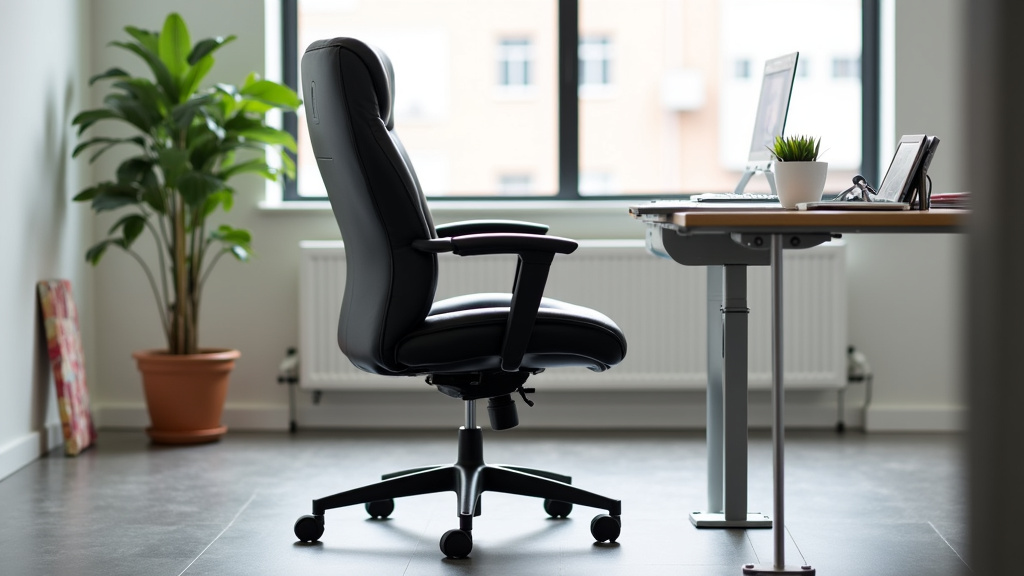
Your chair height needs to work in conjunction with your desk height. Once your chair is set correctly, your arms should rest comfortably on your desk with your elbows at about a 90-degree angle when typing. If your desk is too high or too low, it can negate the benefits of a properly adjusted chair.
Not Making Fine Adjustments
Don’t settle for “close enough.” The difference between slightly too high or slightly too low can be significant. Take your time to make those small, incremental adjustments until everything feels perfectly aligned. Your body will thank you for it.
Quick Checklist for Perfect Seat Height
Here’s a quick way to confirm you’ve got it right. Run through these points before you start your workday:
- Feet: Are both feet resting flat on the floor?
- Knees: Is the bend at your knees around 90 degrees?
- Thighs: Are your thighs roughly parallel to the floor?
- Desk Elbows: When resting on your desk, are your elbows at a 90-degree angle?
- Comfort: Does everything feel relaxed and supported, with no pressure points?
- Posture: Are you sitting upright with good spinal alignment?
Troubleshooting Common Seat Height Issues
Even with the best intentions, you might run into a snag. Let’s address a couple of things that might come up as you adjust.
Chair Won’t Go Low Enough
If your chair is still too high even at its lowest setting, you have a few options. As mentioned, a footrest is a great solution. You can also explore ergonomic solutions like a sit-stand desk that allows you to vary your working position, or consider a chair designed for shorter users.
Chair Won’t Go High Enough
Conversely, if the chair is too low, a footrest might still be useful, though less common. The primary solution here is to check if your chair has a gas lift cylinder that needs replacing or if the chair itself is simply not designed for taller individuals. In this case, you may need to look for a different chair model.
Uneven Floor or Chair Base
An uneven floor can trick your perception of “flat.” Make sure your chair’s base is on a level surface. If the floor is permanently uneven, consider using a small, sturdy riser under one or two wheels, but this is a less ideal solution. Most experts recommend a level playing field for ergonomic setups (OSHA).
Conclusion
You’ve now learned the essential steps to properly measure and set your office chair’s seat height. Remember, the goal is to achieve a comfortable, neutral posture where your feet are flat, your knees are at a 90-degree angle, and your thighs are parallel to the floor. This simple adjustment is a powerful tool for preventing discomfort and improving your overall well-being during the workday. Take a moment right now to check your chair’s height using the quick checklist and make any necessary adjustments. Your body will thank you for it!
Frequently Asked Questions
How do I know if my office chair is too high or too low?
If your feet can’t rest flat on the floor or your knees are higher than your hips, your chair is likely too low. If your knees are pointing sharply downward and your feet feel like they’re reaching to touch the floor, your chair is probably too high. You should aim for your feet to be flat and your knees bent at about 90 degrees.
What if my feet don’t reach the floor even at the lowest setting?
This is a common issue, especially for individuals with shorter stature. The best solution is to use an adjustable footrest. This will allow you to achieve the proper 90-degree knee bend and keep your feet comfortably supported, even if your chair doesn’t go low enough on its own.
Can the height of my desk affect my ideal chair height?
Yes, absolutely. Your chair height should complement your desk height. Once your chair is set for proper leg and knee positioning, your arms should rest comfortably on your desk with your elbows at a 90-degree angle when typing. If your desk is too high or too low, it can disrupt this ergonomic balance.
How often should I check my office chair’s seat height?
It’s a good idea to check your chair height periodically, perhaps once a month, or whenever you notice any new aches or discomfort. Changes in your seating position, adding or removing items from under your desk, or even just fatigue can subtly alter your posture. A quick check can help maintain optimal comfort.
Is there a specific measurement I should aim for my seat height?
There isn’t a single universal measurement because it depends on your body proportions and your desk height. The key is to achieve the ergonomic posture: feet flat, knees at 90 degrees, and thighs parallel to the floor. Focus on these visual and physical cues rather than a specific inch or centimeter measurement.
