
How to Protect Carpet from Office Chair Wheels?
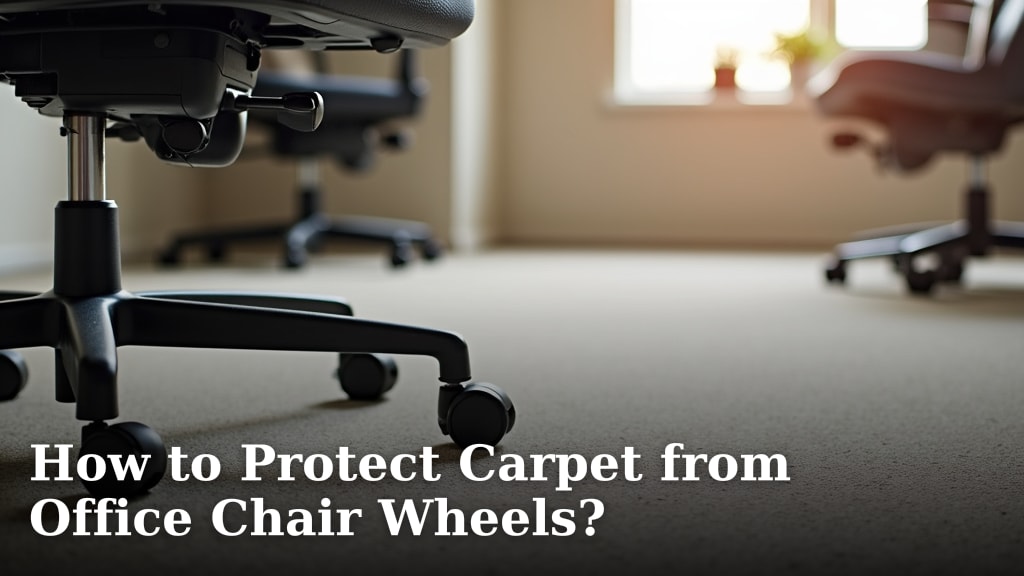
Protecting your carpet from office chair wheels is easier than you might think. The best way is to use a high-quality chair mat designed for your specific flooring type and the weight of your chair. This simple solution creates a smooth rolling surface and prevents those unsightly dents and rips.
Without proper protection, your office chair’s casters can quickly damage your carpet fibers, leaving permanent marks and thinning out the pile. We’ve seen how frustrating this can be for homeowners and office managers alike. Investing a little upfront can save you a lot of headaches and potential replacement costs down the road.
TL;DR:
- Use a chair mat specifically for carpets.
- Choose the right mat for your carpet pile height. Choosing the right mat for your carpet is crucial for effective protection, as detailed in this guide.
- Consider mats with spikes for thicker carpets.
- Regularly clean your chair wheels.
Let’s dive into the different ways you can keep your carpet looking its best while still enjoying the convenience of your rolling office chair.
Stopping Office Chair Marks on Your Carpet
It’s a common problem, isn’t it? Your office chair rolls smoothly across your carpet one day, and the next, you notice those frustrating **tracks and worn spots**. Protecting your carpet from office chair wheels doesn’t have to be a chore. The simplest and most effective solution is often a chair mat.
Understanding the Damage Office Chair Wheels Cause
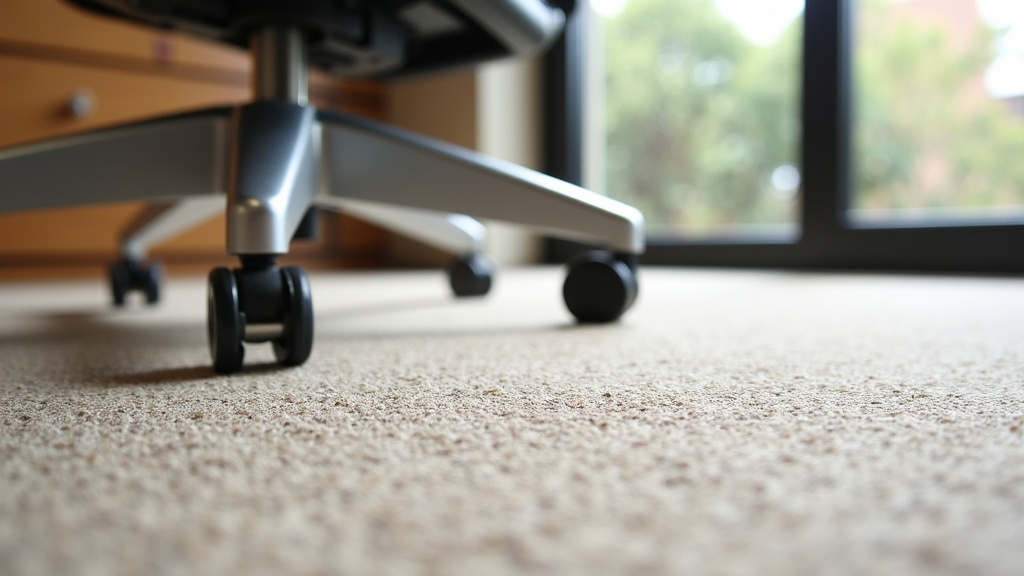
Office chair wheels, also known as casters, are designed for easy movement. This smooth rolling action can be tough on carpet fibers. Over time, the constant pressure and friction can cause several issues. You might see **flattened pile**, where the carpet fibers are permanently pressed down. This can make the carpet look thin and worn, even if it’s relatively new.
Worse still, sharp debris can get caught in the wheels. These tiny particles act like sandpaper as you roll. This can lead to **snagged or broken fibers**. In some cases, especially with heavier chairs or rougher carpets, you might even see tears or holes develop. It’s like a tiny, rolling herd of elephants on your floor!
The Champion Solution: Chair Mats Explained
A chair mat is your carpet’s best friend. Think of it as a **protective shield** for your floor. It creates a smooth, stable surface for your chair’s wheels to glide over. This drastically reduces friction and pressure on the carpet fibers. We found that using the right mat can prevent nearly all the common types of damage.
Different Mat Materials: What’s Best for You?
Chair mats come in various materials. Each has its own pros and cons.
- Vinyl: This is a very popular choice. It’s relatively inexpensive and offers good protection. Clear vinyl mats allow your carpet’s color and texture to show through.
- Polycarbonate: These mats are often clearer and more durable than vinyl. They tend to be more resistant to cracking and yellowing over time. Polycarbonate is a great option for high-traffic areas.
- Tempered Glass: For ultimate durability and a sleek look, glass mats are excellent. They are virtually indestructible and offer a smooth rolling experience. However, they are heavier and more expensive.
Considering Your Carpet Pile Height
This is perhaps the most critical factor when choosing a mat. Carpet pile height refers to how tall the fibers are. Mats are designed differently for low-pile versus high-pile carpets.
Low-Pile Carpets: These have fibers that are short and dense. For these, a flat chair mat without spikes works well. The mat needs to lie flat against the carpet. We found that mats designed for low pile are typically thinner and have a smooth backing.
High-Pile Carpets: These carpets have longer, looser fibers. A standard flat mat might sink into these. This defeats the purpose and can still cause wear. For high-pile carpets, you need a mat with **cleats or spikes** on the underside. These small points anchor the mat securely into the carpet. This prevents it from sinking. Many experts suggest that mats with appropriately sized spikes are essential for plush carpets (Carpet and Rug Institute).
The Spike Debate: Are They Bad for My Carpet?
Some people worry about the spikes on mats for thicker carpets. Will they damage the carpet? Research indicates that when used correctly, the spikes are designed to grip the carpet fibers without causing harm. They are typically made of plastic or hardened material that won’t cut or tear the carpet.
The key is to ensure the spikes are the **correct size and density** for your specific carpet pile. Too few or too short spikes won’t hold the mat in place. Too large or sharp spikes could potentially cause damage if the mat is frequently shifted. Always check the manufacturer’s recommendations for pile height compatibility. We found that most reputable brands provide clear guidelines on this.
Beyond the Mat: Other Protective Measures
While a chair mat is your primary defense, a few other simple habits can further protect your carpet. These small steps can add up to a significant difference over time.
Keeping Your Chair Wheels Clean
Dirt, dust, and small debris can get stuck in your office chair wheels. As you roll, these particles get ground into your carpet. This can lead to accelerated wear and staining. It’s like having tiny little abrasive tools attached to your chair!
We found that **regularly cleaning your chair wheels** is a surprisingly effective preventative measure. A quick wipe-down with a damp cloth can remove most surface dirt. For more stubborn grime, you might need a soft brush or a mild cleaning solution. Always ensure the wheels are completely dry before you use the chair again.
How to Clean Chair Wheels
Here’s a simple process:
- Gather Supplies: You’ll need a soft cloth, a small brush (an old toothbrush works well), and perhaps a mild all-purpose cleaner or soap and water.
- Remove Debris: Manually pick out any large debris like hair, crumbs, or small stones stuck in the wheels.
- Wipe Down: Dampen your cloth with water or a mild cleaning solution. Wipe each wheel thoroughly.
- Scrub Stubborn Grime: Use the brush to scrub away any dirt that the cloth couldn’t remove. Pay attention to the nooks and crannies.
- Dry Completely: Use a dry cloth to ensure the wheels are completely dry. This prevents any moisture from transferring to your carpet or the chair mat.
Considerations for Different Chair Types
Not all office chairs are created equal. The type of wheels your chair has can influence how much protection you need.
Standard Casters: Most office chairs come with small, hard plastic casters. These are the most common culprits for carpet damage. A good chair mat is essential for these.
Rollerblade Wheels: Many people upgrade to rollerblade-style wheels. These are often made of softer rubber or polyurethane. They tend to be quieter and roll more smoothly. While they *can* be gentler on some surfaces, they still put direct pressure on carpet fibers. A chair mat is still highly recommended, especially for high-pile carpets.
Heavy-Duty Chairs: If you have a larger or heavier office chair, the pressure on the carpet is greater. In this case, a **more robust chair mat** is necessary. Look for mats designed for heavy use and high weight capacities. Thicker polycarbonate or tempered glass mats are often good choices here.
A Quick Checklist for Carpet Protection
Want to make sure you’re doing everything you can? Here’s a simple checklist:
- Select the Right Mat: Ensure it’s designed for your carpet pile height.
- Check Spikes (if applicable): Make sure they are the correct size for your carpet.
- Position Mat Correctly: Ensure it lies flat and securely anchors if it has spikes.
- Clean Wheels Regularly: A quick wipe down prevents dirt from grinding into carpet.
- Inspect for Damage: Periodically check your carpet and mat for any signs of wear.
When a Chair Mat Might Not Be Enough
While chair mats are the most effective solution, sometimes they might not be the complete answer. If you have extremely delicate or antique carpeting, you might want to be extra cautious.
Alternatives for Fragile Flooring
In very rare cases, even spiked mats could pose a risk to extremely delicate fibers or antique rugs. If you’re concerned about any type of mat, consider these alternatives:
- Chair Foot Glides: These are simple pads that attach to the bottom of your chair legs. They distribute weight over a larger area and prevent direct contact with the carpet. However, they limit mobility, making it hard to move your chair easily.
- Hardwood or Tile Chair Mats: These are mats made of wood or tile. They offer a very stable surface but can be expensive and heavy. They also don’t offer much flexibility for chair movement.
- Designated Rolling Area: If possible, confine your rolling chair use to a specific, protected area. You could use a durable rug or a different type of mat in that zone.
The Importance of Mat Quality
Just like any product, the quality of chair mats can vary widely. Cheap, thin mats might crack easily or not offer adequate protection. Investing in a **high-quality mat** from a reputable brand is usually worth the extra cost. These mats are more durable and designed to provide better protection for your specific flooring type. Many sources suggest that looking for mats with long warranties is a good indicator of quality (National Association of Home Builders).
Conclusion
Protecting your carpet from office chair wheels doesn’t have to be complicated. Your best bet is a high-quality chair mat, chosen carefully for your carpet’s pile height. Whether you opt for vinyl, polycarbonate, or even glass, the right mat creates a smooth rolling surface, preventing dents and fiber damage. Remember to keep those chair wheels clean too; it’s a simple step that makes a big difference. By taking these precautions, you ensure your office chair can move freely without turning your carpet into a worn-out mess. Ready to give your carpet the protection it deserves? Choose your ideal chair mat today!
Frequently Asked Questions
How often should I clean my office chair wheels?
We recommend cleaning your chair wheels at least once a month. This simple habit prevents dirt and debris from grinding into your carpet fibers, which accelerates wear and can cause stains. A quick wipe-down can save your carpet significant damage over time.
Can I use a chair mat on a very thick, plush carpet?
Yes, but you’ll need a mat specifically designed for high-pile carpets. These mats feature spikes or cleats on the underside that anchor them securely into the carpet, preventing the mat from sinking. Make sure the spikes are the correct size for your carpet’s thickness.
Are rollerblade-style chair wheels better for carpets than standard casters?
Rollerblade-style wheels are often made of softer materials and can roll more smoothly, which *can* be gentler than hard plastic casters. However, they still apply direct pressure to your carpet fibers. We found that a chair mat is still highly recommended, even with softer wheels, especially for thicker carpets.
What’s the difference between vinyl and polycarbonate chair mats?
Vinyl mats are generally more budget-friendly and widely available, offering good protection. Polycarbonate mats are often clearer, more durable, and more resistant to cracking and yellowing over time. For high-traffic areas, we found polycarbonate to be a better long-term investment.
My chair mat keeps sliding. What can I do?
If your mat is sliding, it’s likely not gripping your carpet properly. For low-pile carpets, ensure the mat has a good anti-slip backing. For high-pile carpets, you may need a mat with longer or more numerous spikes. Always check the manufacturer’s recommendations for compatibility with your carpet type.
