
How to Replace Office Chair Base?

You can absolutely replace your office chair base yourself! It’s a surprisingly straightforward DIY project that can save your favorite chair. Often, a wobbly or broken base is the only issue, making a replacement an easy fix.
This common problem can lead to an uncomfortable and even unsafe seating experience. Fortunately, with a few basic tools and this guide, you can restore your chair’s stability and comfort. We’ll show you how to find the right replacement base and install it quickly.
- Find a replacement base that matches your chair’s size.
- You’ll likely need a rubber mallet and possibly a wrench.
- Carefully remove the old base.
- Install the new base securely.
- Test your chair for stability.
Ready to give your office chair a new lease on life? Let’s walk through exactly how to replace that base, step by step.
Giving Your Office Chair Base a Makeover
Your office chair’s base might be wobbly, cracked, or just plain worn out. That doesn’t mean you need to toss the whole chair! Replacing the base is a realistic and achievable DIY project. You can often get your favorite chair back in working order. We’ll guide you through the process so you can get back to comfortable, stable seating.
Assessing the Damage and Finding the Right Replacement Base
Before you start grabbing tools, take a good look at your chair’s base. What exactly is wrong with it? Is it one of the caster wheels that’s broken? Or is the entire star-shaped base itself damaged? Knowing the issue helps you find the correct replacement part. You want to ensure the new base is compatible with your existing chair.
What to Look For in a Replacement Base
The most common reason to replace a chair base is a broken star base, the part that connects to the gas cylinder and then spreads out into the legs. Sometimes, it’s just the wheels (casters) that need replacing. Many replacement bases are designed to fit universal gas cylinders. This is great news for DIYers!
When shopping for a new base, pay attention to the diameter of the center hole where the gas cylinder inserts. Most standard bases are around 2 inches in diameter. Also, consider the number of legs on the base – usually five for office chairs. Measure your current base to confirm these dimensions. It’s better to measure twice and buy once!
Understanding Office Chair Base Materials
Office chair bases are typically made from either metal (steel or aluminum) or heavy-duty plastic (nylon). Metal bases are generally stronger and more durable, but they can also be heavier. Plastic bases are lighter and often less expensive. For most standard office use, a high-quality plastic base will be perfectly adequate. If you’re a heavier individual or you put your chair through a lot of stress, a metal base might be a better investment for long-term stability.
Where to Buy Replacement Parts
You can find replacement office chair bases online from various retailers. Many office supply stores also carry generic replacement bases. Look for sites that specialize in office chair parts. Sometimes, the manufacturer of your chair will sell replacement parts directly, though this can sometimes be pricier. Always check the return policy before you buy, just in case the part isn’t a perfect fit.
Gathering Your Tools for the Job
You probably already have most of the tools you need. This project isn’t tool-intensive. Having the right tools will make the process much smoother and safer. Don’t try to force anything if you don’t have the right tool; you might damage your chair or injure yourself.
Essential Tools You’ll Need
- Rubber Mallet: This is your best friend for this job. It’s strong enough to help dislodge parts but gentle enough not to cause damage. You can usually find one at any hardware store.
- Wrench or Pliers (Optional): In some cases, the caster wheels might be screwed into the base legs. A wrench or sturdy pliers might be needed to remove them.
- Gloves: Protect your hands from any sharp edges or dirt.
- Safety Glasses: Always a good idea when working with tools, just in case.
- Screwdriver (Optional): Some bases might have screws holding the legs on.
Tips for a Smooth Removal Process
When removing the old base, patience is key. If parts feel stuck, try wiggling them gently. Sometimes, a bit of lubricant like WD-40 can help free stubborn connections. However, be sure to wipe off any excess lubricant before installing the new parts. You don’t want your new base to slip!
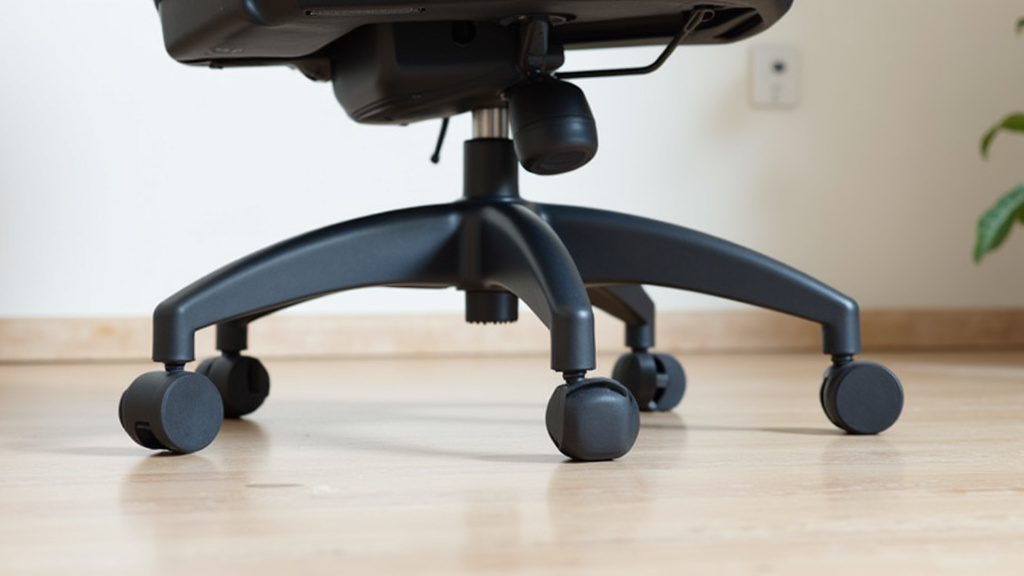
Step-by-Step Guide to Replacing Your Office Chair Base
Let’s get down to business! This is where you’ll see your chair transform. Follow these steps carefully to ensure a successful replacement. It’s really not as daunting as it might sound at first.
Step 1: Safely Detach the Old Base
First, turn your chair upside down. You might want to place it on a soft surface, like a rug or a blanket, to prevent scratching. The base connects to the chair’s gas cylinder. This connection is usually a snug fit, not bolted on. You’ll need to gently pry the old base away from the cylinder.
To do this, place your rubber mallet around the center opening of the base, where it meets the gas cylinder. Give it a few firm taps. Work your way around the base, tapping gently. The goal is to loosen the tapered connection. You should feel the base start to slide off the cylinder. If it’s extremely stubborn, you might need to apply a little more force, but always use controlled taps, not wild swings.
Dealing with Stubborn Connections
If tapping isn’t enough, you might have a really tight fit. Try wiggling the base while applying pressure downwards. Some people have had success using a pipe wrench to grip the metal part of the gas cylinder and then twisting the base off, but be extremely careful not to damage the cylinder itself. Research and found that a gentle, consistent force is often better than brute strength (a common DIY tip). You can also try a little penetrating oil around the connection point and let it sit for a few minutes before trying again.
Step 2: Remove and Replace Casters (If Necessary)
If your issue was with the wheels, now is the perfect time to address them. Most office chair casters simply pull out of their sockets in the base legs. You might need to wiggle them firmly. If they’re stuck, use your rubber mallet to tap them out from the inside of the leg socket. For some casters, you might need to unscrew a retaining nut or clip. Consult your chair’s manual if you have it, or look up the specific model online. If your issue was with the wheels, now is the perfect time to address them with our guide on how to remove office chair wheels.
When installing new casters, they usually just push into place. Ensure they are seated firmly and evenly. A quick tap with your rubber mallet can help secure them. Make sure all wheels are rolling smoothly before you move on. We found that new wheels can make a chair feel brand new!
Step 3: Attach the New Base
Now for the exciting part – attaching your new base! Ensure the gas cylinder is clean and free of debris. You might want to wipe it down. Align the center hole of your new base with the top of the gas cylinder. Simply push the new base down onto the cylinder.
It should slide on snugly. You may need to apply some downward pressure. Sit on the chair gently to help seat the base fully onto the cylinder. You should feel and hear it settle into place. If your new base has legs that need to be attached (less common for pre-assembled bases), follow the manufacturer’s instructions, likely involving screws or clips.
Step 4: Test for Stability
Once the new base is firmly attached, it’s time to test your work. Gently rock the chair side to side. Does it feel stable? Are there any wobbles? Roll the chair around a bit. Do the casters move smoothly? If everything feels secure, congratulations! You’ve successfully replaced your office chair base.
Troubleshooting Common Issues
If the chair still feels wobbly, double-check that the base is fully seated on the gas cylinder. Sometimes, it just needs a little more pressure. Ensure all caster wheels are properly installed and locked in place. If you replaced the casters separately, confirm they are the correct size for your new base. Many guidelines suggest re-checking connections after a few days of use (user manual best practice).
Maintaining Your Newly Replaced Base
To keep your chair in good working order, a little regular maintenance goes a long way. Periodically check the caster wheels for debris buildup, like hair or threads, which can impede smooth rolling. You can easily clean these with scissors or tweezers.
Every few months, give your chair base a quick inspection. Ensure the connections are still snug. If you notice any new wobbles or looseness, it might be time to re-seat the base on the cylinder. Keeping your chair clean and well-maintained will extend its lifespan and keep it comfortable and safe to use.
Checklist for a Successful Base Replacement
- Confirm you have the correct replacement base size.
- Gather all necessary tools, especially a rubber mallet.
- Turn the chair upside down on a protected surface.
- Use controlled taps to loosen and remove the old base.
- Securely attach the new base onto the gas cylinder.
- Test the chair for stability and smooth rolling.
Conclusion
You’ve got this! Replacing your office chair base is a straightforward DIY project that can save your favorite chair. By following these steps, you’ve learned how to identify the right replacement part, gather your tools, and install the new base securely. Remember to work patiently and use controlled force, especially when removing the old base. Once your new base is in place, you’ll enjoy a more stable and comfortable seating experience. Go ahead and give your chair the upgrade it deserves!
Frequently Asked Questions
How do I know if I need to replace the whole base or just the casters?
Inspect your chair carefully. If the star-shaped base itself is cracked or wobbly, you’ll need a new base. If only the wheels are broken or roll poorly, replacing just the casters will likely solve the problem. Many replacement bases come with new casters, so you often get both.
Can I use a universal replacement base for any office chair?
Most replacement bases are designed to be universal, especially regarding the gas cylinder connection. The key is to measure the diameter of the center hole where the gas cylinder fits. Most standard office chair bases are around 2 inches in diameter, which is a common universal size.
What if the old base is really stuck on the gas cylinder?
If gentle tapping with a rubber mallet isn’t working, try wiggling the base while applying downward pressure. Some research suggests a bit of penetrating oil applied around the connection point and allowed to sit can help. Avoid excessive force that could damage the cylinder.
Are metal or plastic bases better?
Metal bases (steel or aluminum) are generally stronger and more durable, making them a good choice for heavier individuals or chairs that see heavy use. High-quality plastic (nylon) bases are lighter and often more affordable, providing adequate support for most standard office use.
How often should I check my chair base for maintenance?
It’s a good idea to give your chair base a quick visual inspection every few months. Check for any new wobbles, looseness, or debris buildup on the casters. Cleaning debris from casters and ensuring the base is firmly seated on the cylinder will help extend your chair’s lifespan.
