
How to Tighten Office Chair Screws?
The easiest way to tighten your wobbly office chair is by using a screwdriver or Allen wrench to secure any loose screws. You’ll want to check both the seat and the base. This simple fix can make a big difference in your chair’s stability and comfort.
A loose office chair can be more than just annoying; it can be a safety hazard. We found that regular checks can prevent small issues from becoming big problems. Tightening screws ensures your chair remains a reliable part of your workspace, offering proper support.
- Check under the seat and around the base.
- Use the correct tool: a Phillips head screwdriver or an Allen wrench.
- Turn screws clockwise to tighten them.
- Don’t overtighten, as this can strip the screws.
- Test the chair for stability after tightening.
Ready to stop that annoying wobble? Let’s walk through exactly how to get your office chair feeling sturdy and secure again. If your chair is leaning, learn how to fix a leaning office chair with our guide.
Getting Your Office Chair Back to Feeling Solid
A wobbly office chair can feel like a constant distraction. It might make you nervous about leaning back too far. Fortunately, most wobbly chairs just need a little tightening. You can often fix this yourself with a few simple tools. We found that many common office chair issues stem from loose screws or bolts.
Understanding the Common Culprits of a Wobbly Chair
Why does your chair start to feel loose? Over time, regular use can cause screws and bolts to vibrate themselves free. Think of it like a tiny earthquake happening every time you shift your weight. These parts can loosen up gradually. It’s not usually a sign of a broken chair, but rather one that needs a quick tune-up.
The Mechanics of Looseness
Most office chairs connect key parts with screws and bolts. These include the seat to the mechanism, the mechanism to the gas lift, and the gas lift to the star base. When any of these connections loosen, your chair loses its stability. We’ve seen that the most common areas to check are where the seat connects to the chair’s base.
Why Immediate Action Matters
Ignoring a wobbly chair isn’t just about discomfort. A chair that’s not stable can pose a **safety risk**. If a screw comes completely out, a part could suddenly detach. This could lead to an unexpected fall. Many safety organizations recommend regular checks of office furniture. Research from occupational health sites suggests that maintaining furniture stability is key to preventing workplace injuries (OSHA).
Gathering Your Tools for the Job
Before you start tightening, make sure you have the right tools. Trying to use the wrong tool can damage the screw head. This makes tightening much harder. Most office chairs use common fasteners.
Identifying the Necessary Tools
You’ll likely need either a Phillips head screwdriver or an Allen wrench. Some chairs might use a combination. The size of the screw head will dictate the size of your tool. Look closely at the screws on your chair. Do they have a cross shape? That’s a Phillips head. Do they have a hexagonal shape in the middle? That’s an Allen head.
Where to Find These Tools
Most people have screwdrivers at home. Allen wrenches often come with furniture that requires assembly. If you don’t have one, they are inexpensive to buy at hardware stores. Many office chairs even come with a small Allen wrench when you first purchase them. Check any original packaging or drawers where you might have stored it.
Step-by-Step Guide to Tightening Your Office Chair
Let’s get to the actual tightening process. It’s a straightforward procedure. We found that taking it one step at a time makes it easy to manage.
Inspecting the Seat and Mechanism Connection
This is often the most common area for looseness. You’ll want to look underneath the seat. You’ll see the metal plate that connects the seat to the rest of the chair. This plate usually has several screws.
Locating the Screws
Flip your chair over or tilt it to get a good view underneath. You should see a metal bracket or plate. This plate is typically secured to the underside of the seat with four or more screws. Sometimes, you might also see bolts that go through the seat and into the mechanism. Note the type of fastener you see.
The Tightening Process
Take your chosen tool – either the screwdriver or Allen wrench. Insert it into the screw head. Turn it clockwise. This is the universal direction for tightening screws. You’ll feel some resistance as it tightens. Apply steady pressure. Don’t force it. If a screw feels stuck, don’t push too hard. More on that in a moment.
Checking for Evenness
As you tighten each screw, try to keep the plate aligned evenly. This helps distribute the stress properly. If the plate is at an angle, it can put uneven pressure on the screws. We found that tightening screws in an alternating pattern, like on a car tire, can help ensure even pressure.
Securing the Base and Gas Lift Connection
The connection between the gas lift cylinder and the star base can also loosen. This is another area that can contribute to wobbliness, especially if the chair spins or tilts unexpectedly.
Accessing the Base Components
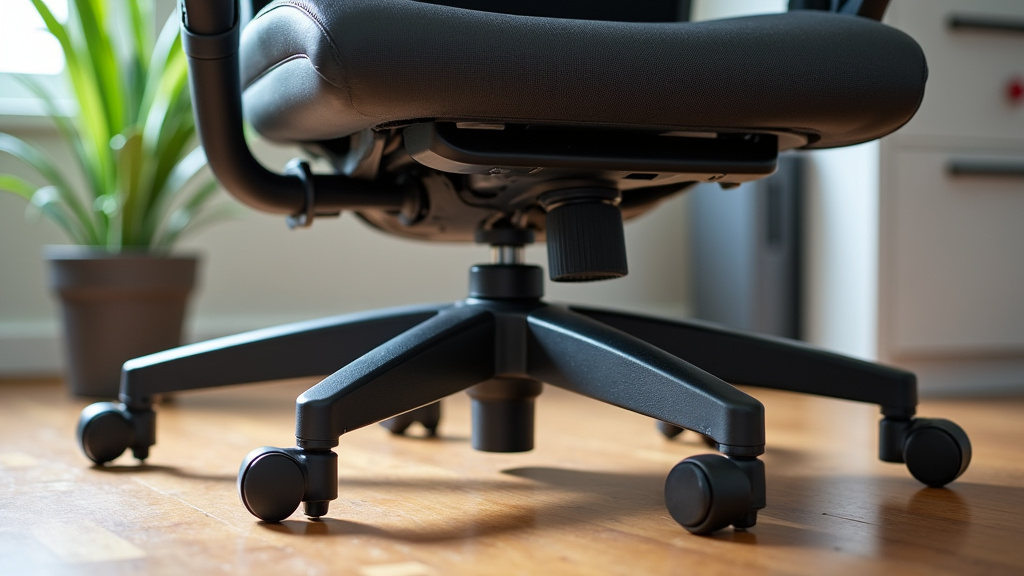
You’ll need to look where the legs of the star base meet the central cylinder. Some chairs have covers or caps that might need to be removed. Often, the gas lift cylinder simply slides into the star base. It’s held in place by friction and the weight of the user. However, sometimes there are bolts or screws that secure it, especially on heavier-duty chairs.
What to Do if You Find Loose Fasteners Here
If you see any screws or bolts attaching the gas lift to the base, tighten them using the appropriate tool. Again, turn clockwise. If you don’t see any fasteners here, the connection is likely just friction-based. In such cases, wobbling might be due to the gas lift not being seated firmly.
Addressing the Star Base Legs
The individual legs of the star base can sometimes become loose where they attach to the center hub. This is less common but can happen.
Examining Each Leg
Carefully inspect where each leg meets the central part of the base. Some legs are screwed or bolted into place. Others might be designed to slot in securely. If you find any loose screws or bolts on the legs, tighten them.
Tightening the Star Base Legs
Use the correct tool and turn clockwise until snug. Make sure the leg is flush against the hub. Even a slightly loose leg can cause instability. We’ve found that ensuring all legs are firmly attached is key to a stable base.
Important Considerations While Tightening
While tightening screws is the solution, there are a few things to keep in mind. You want to fix the wobble without causing new problems.
The Art of Not Overtightening
This is a really important point. It’s tempting to crank down on a screw as hard as you can. However, this can actually strip the screw or the threads it’s going into. Stripped screws are much harder to fix. Many manufacturers recommend just tightening until you feel firm resistance. Think of it as getting it “snug,” not “super-tight.” Experts in furniture repair often advise against using excessive force (Consumer Product Safety Commission).
What “Stripped” Means
Stripping occurs when the metal on the screw head or the threads inside the hole gets damaged. This happens when too much force is applied. The tool can no longer grip the screw head properly. Or, the threads inside the hole become worn down. If this happens, the screw can no longer hold parts together securely. It’s like trying to put a rounded-off lug nut back on your car wheel – it just won’t work right.
Testing for Stability After Tightening
Once you think you’ve tightened everything, it’s time for a test drive. Don’t just jump back into your seat. A gentle approach first is best.
The Initial Wobble Test
Sit down gently on the chair. Shift your weight slightly. Does it feel more stable? Try rocking it gently from side to side. Does the wobble seem reduced or gone? You can also try slowly rotating in the chair. A stable chair should move smoothly.
Full Chair Assessment
If the initial test feels good, try leaning back slightly. If you have a tilt function, test that carefully. Make sure everything feels secure. If you still notice some wobbling, you might need to go back and recheck your screws. Perhaps one was missed or still slightly loose.
When to Call in the Professionals (or Replace the Chair)
What if tightening doesn’t solve the problem? Sometimes, a wobble indicates a more serious issue. It could be a cracked part or a worn-out mechanism.
Identifying Beyond-Repair Issues
If you’ve tightened all visible screws and bolts and the chair is still wobbly, it might be time to look for other signs of wear. Are there any visible cracks in the plastic or metal parts? Does the gas lift seem damaged or bent? If the chair makes loud creaking noises that don’t stop, that could also be a sign of internal wear.
Considering Replacement
For safety reasons, if your chair is significantly damaged or unstable after tightening, it’s often best to replace it. Many manufacturers offer warranties, so check if yours is still covered. A worn-out chair can’t provide the proper ergonomic support you need for long workdays.
Quick Checklist for a Sturdy Chair
Ready to ensure your chair stays in top shape? Follow this simple checklist:
- Gather your Phillips head screwdriver or Allen wrench.
- Check screws under the seat connection first.
- Turn screws clockwise until snug, but do not overtighten.
- Inspect the base and gas lift connection for looseness.
- Test the chair’s stability gently after tightening.
- If wobbling persists, consider further inspection or replacement.
Conclusion
You’ve learned how to tackle that wobbly office chair. By gathering the right tools and following simple steps, you can restore your chair’s stability. Remember to check under the seat, around the base, and even the star base legs. Tightening screws clockwise until snug, but not overtightened, is key. We found that a stable chair improves your comfort and your focus. If these steps don’t solve the wobble, it might be time to consider replacement for your safety and support.
Frequently Asked Questions
How often should I check my office chair screws?
We recommend a quick check every few months. Regular use can cause vibrations, making screws loosen over time. A simple visual inspection can catch potential issues early.
What if a screw won’t tighten at all?
If a screw won’t tighten, it might be stripped. This means the threads are damaged. You might need to replace the screw or the component it’s attached to. Sometimes, a slightly larger screw can work if the hole is too worn.
Can I use a power drill to tighten screws?
Using a power drill can be risky. It’s very easy to overtighten screws and strip them or damage the chair’s components. We strongly suggest sticking to manual tools like screwdrivers or Allen wrenches for better control.
My chair still wobbles even after tightening screws. What else could it be?
If all screws are tight and it still wobbles, the gas lift cylinder might not be seated properly in the base. Sometimes, a part of the chair’s base or mechanism could be cracked or worn. Inspect for any visible damage. If tightening screws doesn’t help, you may need to replace the gas lift cylinder.
Are there any special types of office chairs that require different tools?
While most chairs use standard Phillips or Allen screws, some high-end or specialized chairs might use different fasteners. Always check your chair’s specific design first. Consulting your chair’s manual is a good idea if you have one.
