How to Exercise at a Standing Desk
Standing desk exercises work best as brief movement breaks you can repeat during the workday. Try calf raises, gentle weight shifts, and shoulder rolls, and switch between sitting, standing, and walking as comfort allows.
On this page (7 sections)
- What are the best standing desk exercises?
- How can you fit movement breaks into a workday?
- Can you stretch beside a standing desk?
- Does a balance board help you move while standing?
- Can a treadmill or elliptical fit into desk exercise?
- How do you exercise safely at a standing workstation?
- Which standing desk exercises should you try first?
Standing desk exercises work best as short movement breaks you can repeat through the workday. Try calf raises, gentle weight shifts, and shoulder rolls, and vary your posture with sitting or walking when possible.
A standing workstation gives you a chance to move, but you don't need a complex routine. A few controlled movements between tasks can break up stillness without turning your desk into a gym.
What are the best standing desk exercises?
The best standing desk exercises are simple movements you can do safely beside your desk. Start with calf raises, weight shifts, shoulder rolls, and a brief walk, then adjust the range or pace to your comfort.
- Calf raises: Hold the desk lightly, lift your heels, pause, and lower them slowly.
- Weight shifts: Move your weight gently from one foot to the other without locking your knees.
- Shoulder rolls: Circle your shoulders slowly forward and back while keeping your neck relaxed.
- Marching in place: Lift one foot at a time a small distance, staying upright and steady.
- Short walks: Step away from the desk for a minute or two when your work allows.
Begin with a few repetitions rather than pushing for a fixed target. Keep your movements controlled, and stop if you feel pain, dizziness, or loss of balance.
How can you fit movement breaks into a workday?
Attach a short movement break to a regular work pause, such as finishing a call or sending a report. A small routine is easier to repeat than a long set that interrupts your work.
Try a simple sequence: 10 calf raises, 10 gentle weight shifts per side, and 5 shoulder rolls in each direction. These are starting points, not goals; reduce the number if you feel strained.
You can also alternate work positions. Stand for a while, sit when you need to, and take a short walk when your schedule allows.
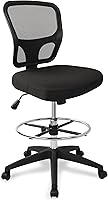
If you need a place to sit during standing periods, compare a desk chair for standing desks that suits your workstation.
Can you stretch beside a standing desk?
Yes, gentle stretches can add variety to a standing break. Keep them comfortable and controlled, and don't bounce or force a joint into a deep range.
Try a chest opener by placing your hands lightly at your hips and drawing your shoulders back. For a side stretch, raise one arm only as far as comfortable and lean slightly away, then switch sides.
A standing desk isn't a reason to ignore discomfort. If a stretch causes pain or numbness, stop and return to a comfortable position.
For ongoing pain, seek advice from a health professional.
Does a balance board help you move while standing?
A balance board adds small rocking movements while you work at a standing desk. Browse standing desk accessories for equipment options.
It can suit someone who wants gentle motion underfoot, but it calls for attention to footing and stability.
The Gaiam Evolve Balance Board Standing Desk has a rocker shape and a non-slip honeycomb texture for hard floors and carpet. Its design supports subtle movement while standing.
Start on a clear, level surface and keep a stable support within reach. Try it for a short period before deciding whether it fits your work routine.
Can a treadmill or elliptical fit into desk exercise?
A treadmill adds walking, while an under-desk elliptical lets you pedal from a seated position. Both can add movement, but the right choice depends on your workspace, task, and comfort.
The Hccsport Treadmill with Incline includes a removable desk workstation, so it can be set up for walking while working. Review our guide to the best treadmill for standing desk use for more options and setup considerations.
The Cubii JR1 is an under-desk elliptical for seated pedaling, with an LCD display that tracks exercise measures such as strides and distance. See our best under desk elliptical machine guide if seated movement fits your setup better.
If you want to compare several kinds of equipment for workday movement, browse our best standing desk exercise equipment. For workspace add-ons, browse home office desk accessories.
How do you exercise safely at a standing workstation?
Keep the space around your desk clear and choose movements that don't interfere with your task. For workstation positioning, see how to set up a standing desk.
Use a stable floor, avoid sudden turns, and pause equipment before stepping on or off.
A balance board or moving belt can affect how steady you feel. Start slowly, keep support nearby, and don't use equipment for tasks that need precise focus or quick reactions.
If standing for long periods feels uncomfortable, alternate positions rather than trying to push through it. A supportive office chair for a standing desk can make sitting breaks easier to include.
Which standing desk exercises should you try first?
For a simple start, try calf raises, gentle weight shifts, and shoulder rolls during a brief pause. Add walking or desk equipment only if it fits your work, space, and balance.
Choose a balance board for subtle movement while standing, a treadmill for walking, or an under-desk elliptical for seated pedaling. Keep each session short at first, and let comfort guide how often you repeat it.
Frequently asked questions
What are good exercises to do at a standing desk?
Calf raises, gentle side-to-side weight shifts, shoulder rolls, and brief walking breaks are simple standing desk exercises. Keep movements controlled and use a stable surface for balance if needed.
Start with a few repetitions, then pause or change position if you feel discomfort.
How often should I move at a standing desk?
Take brief movement breaks regularly instead of holding one posture for a long stretch. The right timing varies by person and task, so use reminders or natural pauses in your workday.
Alternate sitting, standing, and walking based on comfort, and stop if a movement causes pain.
Can you exercise on a standing desk treadmill while working?
A desk treadmill can support slow walking during tasks that don't require precise hand movements or intense focus. Set the workstation for a comfortable posture, begin at an easy pace, and keep walking space clear.
Pause the belt before stepping off or handling anything that needs your full attention.
Are balance boards good for standing desk exercises?
A balance board adds small rocking movements while you stand, but it may take attention and can affect stability. Start with short periods on a clear, level floor and keep a steady support nearby.
Skip it if balancing feels uncomfortable or conflicts with your work.