
What Is the 90 90 90 Rule for Sitting?
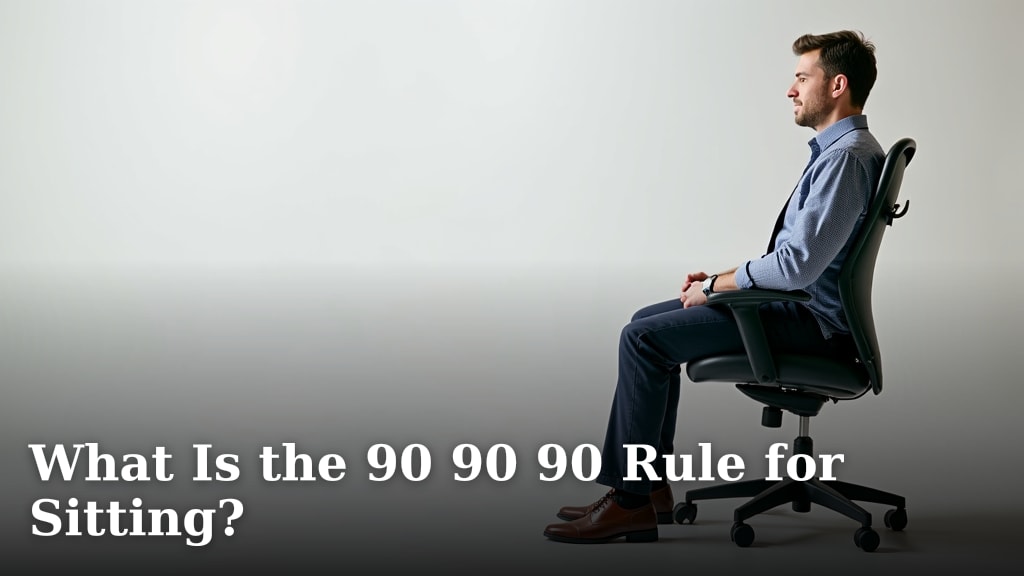
The 90/90/90 rule for sitting is a simple posture guideline that recommends your ankles, knees, and hips each form a 90-degree angle when you are seated. Your feet should be flat on the floor, knees at 90 degrees, and hips bent at 90 degrees to support your back. We found that following this rule helps promote a neutral spine and reduces strain during long periods at a desk.
This rule is more than just a random set of angles; it’s a practical framework for healthier sitting habits. Proper posture like this can help prevent common issues like lower back pain and slouching that come from sitting incorrectly. Many experts say aligning your body this way distributes weight more evenly and can boost your comfort and focus.
- The 90/90/90 rule creates right angles at your ankles, knees, and hips.
- It’s designed to support your spine’s natural curves and reduce muscle fatigue.
- You don’t need special gear; it’s about adjusting your chair and monitor.
- This method is often recommended to counter the negative effects of prolonged sitting.
- Following it consistently can lead to less pain and better overall posture.
Below, we break down exactly how to set up your workspace to achieve this ideal position and explain the benefits you can expect. Let’s walk through the practical steps together.
Breaking Down the 90/90/90 Posture Guideline
The rule is a simple checklist for your body when seated. Imagine you’re sitting in a chair at a desk. The goal is to create three distinct right angles. Your ankles should form a 90-degree angle with your shins. Your knees should bend at a 90-degree angle. Finally, your hips should be bent at a 90-degree angle where your torso meets your thighs. This position is designed to keep your body in a balanced, stacked alignment.
This isn’t about being rigid. It’s about creating a stable base. When your feet are flat and your joints are aligned, your spine can maintain its natural, healthy curves. This setup takes the pressure off your muscles and ligaments. It stops you from slumping or perching on the edge of your seat. Research on occupational ergonomics supports this, finding that neutral joint angles reduce physical stress during work (CDC, NIOSH).
Why Your Body Thanks You for This Setup
Following this rule can make a big difference in how you feel at the end of the day. The benefits go beyond just avoiding pain. Your overall comfort and even your energy levels can improve.
How It Protects Your Back and Neck
When you slouch, you strain the muscles supporting your spine. Your head might jut forward, tiring your neck. The 90/90/90 position discourages this. It keeps your head stacked over your shoulders and your shoulders over your hips. This reduces the workload on your back and neck muscles. Many chiropractors and physical therapists point to this alignment as key for preventing chronic pain.
Impact on Digestion and Breathing
Your posture even affects your internal organs. A collapsed, rounded torso can compress your abdomen. This may make deep breathing harder and could even contribute to indigestion. Sitting upright at 90 degrees gives your diaphragm room to move. It allows your lungs to expand fully. You might find you breathe easier and feel less bloated after meals if you maintain this posture.
Setting Up Your Workspace for Success
Now, let’s get practical. Achieving this posture isn’t about willpower alone; it’s about setting up your environment. You need the right tools and adjustments.
Choosing and Adjusting Your Chair
Your chair is the most important piece of the puzzle. You want a chair that allows your feet to rest flat on the floor. If your chair is too high, use a footrest or a stack of books. If it’s too low, you can place a firm cushion on the seat. The backrest should support the curve of your lower back.
The Seat Height and Depth Test
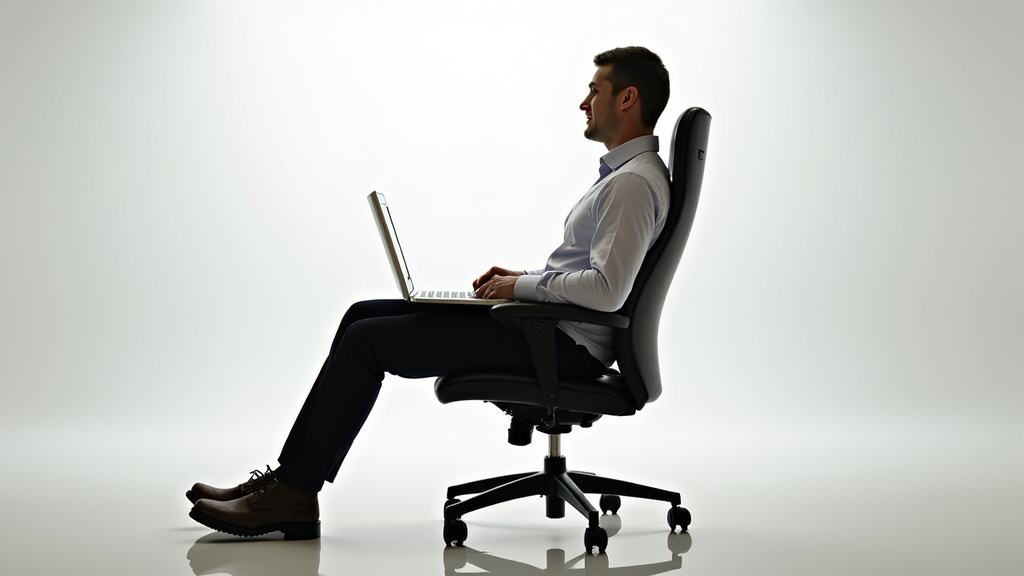
Adjust the chair height until your knees are level with your hips or slightly lower. You should be able to slip a fist between the back of your knees and the seat edge. If your knees press against the seat, it’s too deep. Sit back in the chair so your spine rests against the backrest.
Perfecting Monitor and Keyboard Placement
Your screen and desk height dictate your upper body position. If your monitor is too low, you’ll look down and round your shoulders. If it’s too high, you’ll tilt your head back. The top of your screen should be at or just below eye level.
Your keyboard and mouse should be close enough that your elbows remain at a 90-degree angle, close to your body. Your wrists should be straight, not bent up or down. This entire setup works together to lock in that 90/90/90 foundation.
The Benefits You Might Notice Quickly
Many people report feeling a difference within days of consciously adopting this posture. The changes can be both immediate and long-term.
- Reduced End-of-Day Aches: Less soreness in your lower back, neck, and shoulders.
- Improved Focus: When your body is comfortable, your mind isn’t distracted by discomfort.
- More Energy: Better breathing and circulation can help fight that afternoon slump.
- Professional Appearance: Good posture naturally projects confidence and alertness.
Common Mistakes and How to Fix Them
Even with good intentions, it’s easy to slip into bad habits. Here are the most common pitfalls we’ve observed and how to correct them.
The “Perching” Problem
This is when you sit on the edge of your seat. Your hips are pushed forward, and your back isn’t supported. Your hamstrings shorten, and your core disengages. To fix this, scoot your hips all the way back in the chair. Use the backrest. It’s there for a reason.
Crossing Your Legs or Feet
This might feel comfortable, but it throws your pelvis out of alignment. It creates uneven pressure on your hips and can restrict blood flow. Make a conscious effort to keep both feet planted firmly on the floor. If you fidget, try a small under-desk footrest to tap.
Is This Rule Right for Everyone?
While the 90/90/90 rule is excellent general advice, human bodies are not machines. Some variation is normal and healthy. The key is movement. No single posture, even a perfect one, should be held for hours on end.
We found that the real secret is dynamic sitting. This means you shift positions regularly. You can slightly lean back, then forward. The goal is to give your body frequent breaks from any one position. Think of the 90/90/90 rule as your default, neutral home base to return to after moving around.
Quick Comparison: Good vs. Poor Sitting Posture
Seeing the differences side-by-side can help you self-correct. Here’s a quick reference table.
| Body Part | Poor Posture (Slouching) | Good 90/90/90 Posture |
|---|---|---|
| Feet | Tucked under chair, on tiptoes, or crossed | Flat on the floor or a footrest |
| Knees | Higher than hips, or bent at an acute angle | Level with or slightly below hips, bent at ~90° |
| Hips/Lower Back | Pelvis rolled back, lower back rounded | Pelvis neutral, lower back supported by chair |
| Shoulders | Rounded forward, tense | Relaxed, pulled slightly back |
| Head/Neck | Jutting forward, chin down | Balanced over shoulders, chin level |
Putting It All Together: Your Action Plan
Knowing the rule is one thing; living it is another. Start by setting a timer to check your posture every hour. Use the checklist below during your first few weeks to build the habit.
Remember, consistency beats perfection. You don’t have to be perfect all day. Just aim to return to this strong, neutral position frequently. Your body will adapt, and the discomfort you once thought was normal will start to fade.
Your 90/90/90 Practice Checklist
- Feet Flat First: Before you do anything else, plant both feet on the ground.
- Check Hip Depth: Slide your hips all the way to the back of the chair.
- Set Screen Height: Adjust your monitor so you don’t have to tilt your head.
- Relax Shoulders: Do a quick shoulder roll to release tension.
- Set a Movement Timer: Every 30-45 minutes, stand up, stretch, or walk for a minute.
- Breathe Deeply: Take a deep breath to feel your posture and reset if needed.
Conclusion
There you have it. The 90/90/90 rule isn’t a complex mandate, but a practical guide for a healthier sitting foundation. By aligning your ankles, knees, and hips at right angles, you support your spine and reduce daily strain. The biggest shift often comes from adjusting your workspace, not just your willpower. Remember, the goal isn’t rigid perfection. It’s about building a better default position to return to after movement. Start today by simply checking your foot placement and scooting back in your chair. Your body will thank you for the effort.
Frequently Asked Questions
How long should I sit in the 90/90/90 position?
You shouldn’t stay in any single static posture for too long. Think of it as a neutral “home base” to return to. Aim to hold this ideal position as your default, but make sure to stand up, stretch, and change positions every 30 to 60 minutes.
Is the 90/90/90 rule the only way to sit properly?
No, it’s a well-researched guideline, not the only option. Some ergonomic models suggest a slightly more open hip angle (like 100-110 degrees) can be beneficial. The core principle is finding a supported, neutral spine posture and varying it regularly.
What if I feel uncomfortable when I first try it?
Initial discomfort is common as your body adapts, especially if you’ve slouched for years. Focus on making small adjustments first, like just ensuring your feet are flat. If pain persists, ease off and consider consulting a physical therapist to ensure the setup is right for your body.
Does the 90/90/90 rule apply to sitting on a couch or a dining chair?
The principle applies everywhere you sit, but the furniture matters. A deep, soft couch often makes the position difficult. For dining chairs, you might need a footrest. The rule is a guide to aim for, even if perfect angles aren’t always possible outside your office.
Do I need a special ergonomic chair to follow this rule?
You don’t need a fancy chair, but an adjustable one helps immensely. The key adjustments are seat height (for 90° knees) and backrest support (for your lower back). You can use a footrest, cushion, or rolled towel to achieve the correct angles with almost any chair.
