
What Tools Do You Need to Fix an Office Chair?
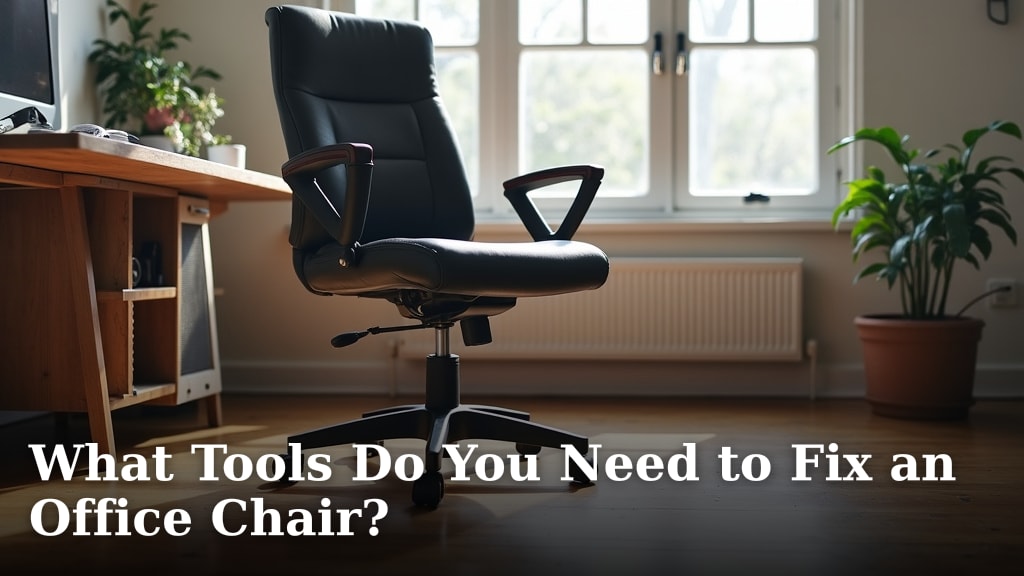
To fix your office chair, you’ll likely need a If your chair is wobbly, learn how to fix a wobbly office chair base.basic toolkit. This usually includes a screwdriver set, an Allen wrench set, and sometimes a plier set. Having these common tools on hand makes most office chair repairs straightforward. You might also want a small brush for cleaning. It’s good to be prepared for minor issues!
A wobbly chair or a stuck lever can be really annoying. But don’t worry, most common office chair problems have simple fixes. Often, it’s just a matter of tightening a few screws or lubricating a moving part. We’ve found that having the right tools makes all the difference. This saves you money and keeps your chair functional.
- Screwdrivers: Phillips and flathead are essential.
- Allen wrenches: A set with various sizes is key.
- Pliers: Useful for gripping or bending small parts.
- Work gloves: Protect your hands.
- Small brush: For cleaning dirt or debris.
Let’s get your chair back in tip-top shape! Below, we’ll walk you through the specific tools that will help you tackle common office chair repairs.
So, your office chair is giving you a bit of grief? A wobbly base, a squeaky mechanism, or a lever that just won’t budge can really throw off your workday. But before you think about buying a whole new chair, let’s talk about what you’ll need to get yours back in fighting shape. It’s usually much simpler than you imagine!
Gathering Your Office Chair Repair Arsenal
Most office chair fixes boil down to a few simple actions: tightening loose parts, lubricating stiff ones, or replacing a minor component. To handle these tasks effectively, you’ll want a small, handy collection of tools. We’ve found that having these essentials makes the difference between a quick fix and a frustrating afternoon.
The Essential Screwdriver Set
This is your absolute go-to. Office chairs often use screws that have either a cross-shaped head (Phillips) or a single slot (flathead). You’ll want a set that includes a few different sizes of both. This allows you to get a good grip on the screw head and apply the right amount of torque.
Phillips Head Screwdrivers
Think of these as the standard screwdriver. They have a pointed tip that fits into the crisscross slots of Phillips head screws. Many chairs use #2 Phillips screws, but having a #1 and #3 size can also be helpful. Make sure the tip fits snugly to avoid stripping the screw head.
Flathead Screwdrivers
Also known as slotted screwdrivers, these have a single, flat blade. While less common for major chair components, they can be used for things like tightening covers or adjusting smaller parts. Again, a set with various widths and thicknesses is best.
The Mighty Allen Wrench (Hex Key) Set
Many modern office chairs are assembled using bolts that fit into hexagonal sockets. These require Allen wrenches, also called hex keys. You’ll almost certainly need an Allen wrench set for office chair repairs.
Why Allen Wrenches are Key
These L-shaped tools come in a range of sizes, usually measured in millimeters. Chairs often use sizes like 4mm, 5mm, or 6mm. Having a complete set means you’re prepared for any size bolt your chair might throw at you. We found that a set with a ball-end tip can be useful for reaching bolts at awkward angles.
Choosing the Right Size
It’s super important to select the correct size Allen wrench for each bolt. If the wrench is too small, it can round out the bolt head, making it difficult to remove or tighten later. If it’s too large, it won’t engage properly and can also cause damage. Take your time to find the perfect fit.
Pliers: For Gripping and Adjusting
While not always needed for every fix, a good pair of pliers can be a lifesaver. They are excellent for gripping small, stubborn parts or for gently bending components if necessary. Research shows that pliers offer more leverage than your fingers.
Different Types of Pliers
For office chair repairs, you’ll likely find needle-nose pliers and standard slip-joint pliers to be the most useful. Needle-nose pliers are great for reaching into tight spaces and manipulating small nuts or bolts. Slip-joint pliers offer a stronger grip and can be used for a wider range of tasks.
When to Use Pliers
Think of your pliers for those moments when a screw feels stuck or a small washer needs a gentle nudge. They can also be handy if you need to hold a nut in place while you tighten a bolt with another tool. Just remember to apply pressure carefully to avoid damaging any plastic parts.
Other Handy Helpers
Beyond the core tools, a few extra items can make your repair process smoother and cleaner. These aren’t always strictly necessary, but they do come in handy.
Work Gloves for Protection
Office chairs, especially older ones, can have sharp edges or accumulated dust and grime. Wearing a pair of work gloves will protect your hands from nicks, cuts, and dirt. Many experts suggest wearing gloves to avoid splinters from wood components or accidental cuts from metal parts.
A Small Brush for Cleaning
Before you start tightening or lubricating, it’s a good idea to clean out any dust, crumbs, or debris that might be lodged in the chair’s mechanisms. A small brush, like a toothbrush or a paintbrush, works wonders. This ensures that your lubricants can get to where they need to go and that you’re not just spreading dirt around.
A Drop of Lubricant
Is your chair squeaking like an old screen door? A little bit of lubricant can often solve this problem. We found that a silicone-based spray or a white lithium grease is effective for office chairs. Just a light application is usually all that’s needed.
A Sturdy Surface to Work On
While you can sometimes fix a chair while it’s upright, many repairs are easier if you can turn the chair over. Having a clear, flat, and sturdy surface, like a garage floor or a large, well-protected table, makes this much more manageable. You might want to lay down an old blanket or drop cloth to protect your floor and the chair’s finish.
A Quick Checklist for Your Toolkit
Ready to assemble your repair kit? Here’s a handy list of what to grab:
- Screwdriver set (Phillips and flathead)
- Allen wrench set (various sizes)
- Needle-nose pliers
- Work gloves
- Small cleaning brush
- Lubricant (silicone spray or grease)
With these tools at your disposal, you’ll be well-equipped to tackle most common office chair issues. It’s amazing how a few simple tools can save you time, money, and a lot of frustration!
Conclusion
You’ve learned that fixing your office chair doesn’t require a massive toolbox. A few key items like a screwdriver set, Allen wrenches, and perhaps some pliers can handle most common issues. Don’t forget protective gear like work gloves and cleaning supplies like a small brush to make the job easier and cleaner. With these essentials, you can extend the life of your chair and save money. So, gather your tools, identify the problem, and get ready to make that repair!
Frequently Asked Questions
What if my chair uses screws I don’t recognize?
Most office chairs use standard Phillips or flathead screws, or hex bolts that require Allen wrenches. If you encounter an unusual fastener, a universal tool kit or a trip to the hardware store for a specialized bit might be necessary. We’ve found that standard sets cover about 95% of common repairs.
How tight should I make the screws?
You want to tighten screws until they are snug and the part feels secure, but avoid overtightening. Overtightening can strip the screw head or damage the material of the chair, especially if it’s made of plastic. Apply firm pressure until you feel resistance.
Can I use WD-40 to fix a squeaky chair?
While WD-40 can help with squeaks, a silicone-based spray or white lithium grease is often recommended for office chairs. These lubricants tend to last longer and are less likely to attract dust than oil-based products. Apply sparingly to the noisy joints.
What if I don’t have a sturdy surface to work on?
If you lack a dedicated workspace, you can place an old blanket or towel on your living room floor or a large table. This protects both your floor and your chair from scratches. Some repairs, like tightening the base, might even be possible while the chair is upright.
Do I really need work gloves for a simple screw tightening?
It’s a good idea to wear work gloves even for simple tasks. Office chairs can accumulate dust and grime, and some metal edges can be surprisingly sharp. Gloves protect your hands from dirt and minor cuts, making the repair process safer and more comfortable.
