Is an Ergonomic Chair Worth It?
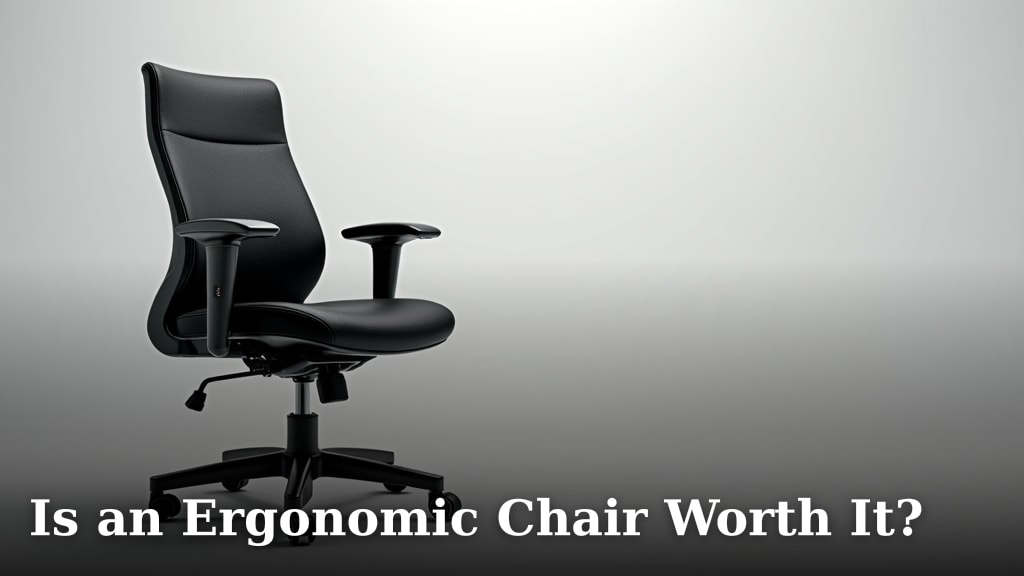
Yes, an ergonomic chair is worth it for your health and comfort, especially if you spend many hours sitting. We found that investing in one can significantly improve your posture and reduce discomfort. Many people find these chairs help prevent back pain and muscle strain.
You might wonder if the higher price tag is justified. We found that a good ergonomic chair is a long-term investment in your well-being. Consider the benefits for your productivity and overall health when making your decision. It’s more than just a chair; it’s a tool for better work and living.
- Ergonomic chairs improve posture and reduce pain.
- They are worth the investment for long-term health.
- Good chairs can boost productivity.
- Consider your daily sitting time.
Ready to discover if an ergonomic chair is right for you? Let’s explore everything you need to know about these specialized seats.
Should You Invest in an Ergonomic Office Chair?
Yes, an ergonomic office chair is often a smart investment for your long-term health and productivity. When you spend many hours sitting, the right chair makes a huge difference.
Understanding Ergonomics: It’s More Than Just a Comfy Chair
What exactly does “ergonomic” mean? It’s about designing products to fit the user, rather than forcing the user to fit the product. So, an ergonomic chair is built to support your body’s natural posture. It helps you maintain a healthy alignment while you sit.
Think of it like perfectly fitted shoes for running a marathon. You wouldn’t wear ill-fitting shoes, right? The same goes for your daily sitting. Your chair should work with your body, not against it.
Key Features of an Ergonomic Chair
An ergonomic chair isn’t just a fancy office chair. It has specific features designed for support and adjustability. These features help you customize the chair to your unique body.
- Adjustable Height: Your feet should sit flat on the floor, or on a footrest, with your knees at about a 90-degree angle.
- Lumbar Support: This is a key feature. It supports the natural curve of your lower back, preventing slouching (Mayo Clinic).
- Adjustable Armrests: They should allow your arms to rest comfortably, keeping your shoulders relaxed.
- Seat Depth and Tilt: You need enough space between the front of the seat and the back of your knees. A tilting seat can reduce pressure.
- Backrest Recline: Being able to recline slightly can take pressure off your spine.
- Swivel Base: Easy movement helps you access different areas of your desk without straining.
The Health Benefits of Sitting Ergonomically
We found that sitting in an ergonomic chair offers several significant health advantages. Many users report feeling better at the end of their workday.
Reducing Back Pain and Discomfort
Back pain is a common complaint for people who sit for long periods. An ergonomic chair directly addresses this by providing proper lumbar support. This helps maintain the natural “S” curve of your spine.
Without this support, your lower back can round, putting extra stress on your spinal discs. Over time, this can lead to chronic pain. We found research supporting that good posture significantly reduces spinal stress (National Institute of Health).
Improving Posture
You know that feeling of slouching by the end of the day? An ergonomic chair makes it easier to sit upright. Its design guides your body into a healthier posture, even when you’re tired.
Good posture isn’t just about looking good. It helps distribute your body weight evenly. This reduces strain on your joints and muscles throughout your body.
Enhancing Circulation
Poor circulation can be another consequence of prolonged sitting. A properly adjusted ergonomic chair helps maintain healthy blood flow. The right seat depth prevents pressure behind your knees.
This attention to detail helps prevent numbness or tingling in your legs. It also contributes to your overall comfort and reduces fatigue.
Preventing Repetitive Strain Injuries
When your body is out of alignment, you might unconsciously strain certain muscles. This can lead to what are called repetitive strain injuries (RSIs). Things like carpal tunnel syndrome or shoulder pain can develop.
Adjustable armrests, for example, can keep your wrists straight and supported. This minimizes the risk of developing these painful conditions.
Ergonomic Chairs and Productivity: A Surprising Link
It might seem odd, but your chair can actually affect how well you work. When you’re comfortable, you can focus better on your tasks.
Increased Focus and Concentration
Imagine trying to work while constantly shifting in your seat, trying to get comfortable. It’s distracting, isn’t it? An ergonomic chair eliminates these discomforts.
When you’re not battling aches and pains, your mind is free to concentrate fully. We found that a comfortable workspace leads to improved focus for many individuals.
Reduced Fatigue
Sitting in an awkward position makes your body work harder. Your muscles might tense up trying to support you. This leads to fatigue, even if you haven’t done much physical work.
An ergonomic chair supports your body properly, reducing this muscular effort. You feel less tired at the end of the day, leaving you with more energy for other activities.
The Cost Factor: Are They Really Worth the Price Tag?
Ergonomic chairs often come with a higher price than standard office chairs. This can deter some people. Let’s break down why this cost is often justified.
Long-Term Investment in Health
Think of it as an investment in your health. How much would you pay to avoid chronic back pain? Many people spend more on doctor visits, physical therapy, or pain medication over time.
A good ergonomic chair can prevent many of these issues. It’s a proactive step for your well-being, potentially saving you money in healthcare costs down the line.
Durability and Quality Materials
We found that ergonomic chairs are typically built with higher-quality materials. They are designed to withstand daily use for many years. This means they don’t break down quickly like cheaper chairs.
You might replace a basic office chair every couple of years. An ergonomic chair can last 5-10 years, sometimes even longer. This longevity makes the initial higher cost more reasonable over time.
Consider this table comparing a basic office chair to an ergonomic one:
| Feature | Basic Office Chair | Ergonomic Chair |
|---|---|---|
| Price Range | $50 – $200 | $200 – $1000+ |
| Adjustability | Limited (height only) | Multiple adjustments (height, tilt, lumbar, armrests) |
| Lumbar Support | Minimal or none | Customizable and robust |
| Material Quality | Standard; less durable | Premium; built to last |
| Health Impact | May cause discomfort/pain | Reduces pain, improves posture |
| Lifespan | 1-3 years | 5-10+ years |
Who Benefits Most from an Ergonomic Chair?
While almost anyone can benefit, certain groups will see the greatest positive change from switching to an ergonomic chair.
- Remote Workers: If your home office is your daily workplace, your chair is critical.
- Students: Long hours studying require good support for focus and health.
- Gamers: Intensive gaming sessions can lead to strain without proper seating.
- Individuals with Pre-Existing Pain: If you already experience back or neck pain, this chair can be therapeutic.
- Anyone Who Sits for 4+ Hours Daily: This is the general threshold where the benefits become very noticeable.
Making the Right Choice: What to Look For
Ready to explore options? Here’s a quick checklist to guide your search for the perfect ergonomic chair:
When you’re shopping, remember that “ergonomic” is a broad term. Not all chairs marketed as such meet the highest standards. Here’s what we suggest you look for:
- Can you adjust the seat height easily?
- Does it offer good lower back (lumbar) support?
- Are the armrests adjustable in height and pivot?
- Does the backrest recline and lock into different positions?
- Can you adjust the seat depth to fit your legs?
- Does the chair feel sturdy and made of quality materials?

Conclusion
You’ve seen how an ergonomic chair can significantly benefit your health, comfort, and even your productivity. We found it’s a smart, long-term investment, especially if you spend many hours sitting daily. From reducing back pain to boosting your focus, the advantages are clear.
Don’t let discomfort hold you back. Consider your sitting habits and health goals. Take this information and confidently choose a chair that supports your well-being. Your body will thank you for making the ergonomic switch!
Frequently Asked Questions
How long do ergonomic chairs typically last?
Most quality ergonomic chairs are built to last between 5 to 10 years, sometimes even longer with proper care. They use durable materials designed for consistent daily use, unlike many standard office chairs.
Can an ergonomic chair fix existing back pain?
While an ergonomic chair can significantly reduce and prevent back pain, it may not “fix” pre-existing severe conditions. It provides crucial support to alleviate symptoms and prevent worsening, but always consult a doctor for chronic pain.
Are there ergonomic chairs for specific body types, like very tall or short individuals?
Yes, many brands offer ergonomic chairs designed for specific body types. You can often find chairs with extended height ranges, deeper or shallower seats, and specialized lumbar support to fit various statures comfortably.
Is it better to buy an ergonomic chair online or in-store?
It’s often beneficial to try an ergonomic chair in-person if possible. This allows you to test the adjustments and feel the support firsthand. If buying online, research return policies thoroughly and look for detailed sizing guides.
What’s the most important feature to look for in an ergonomic chair?
While all features are important, adjustable lumbar support is often considered the most critical. It directly supports the natural curve of your spine, which is key to preventing back pain and improving posture.