How to Fix Office Chair Wheels Not Rolling?
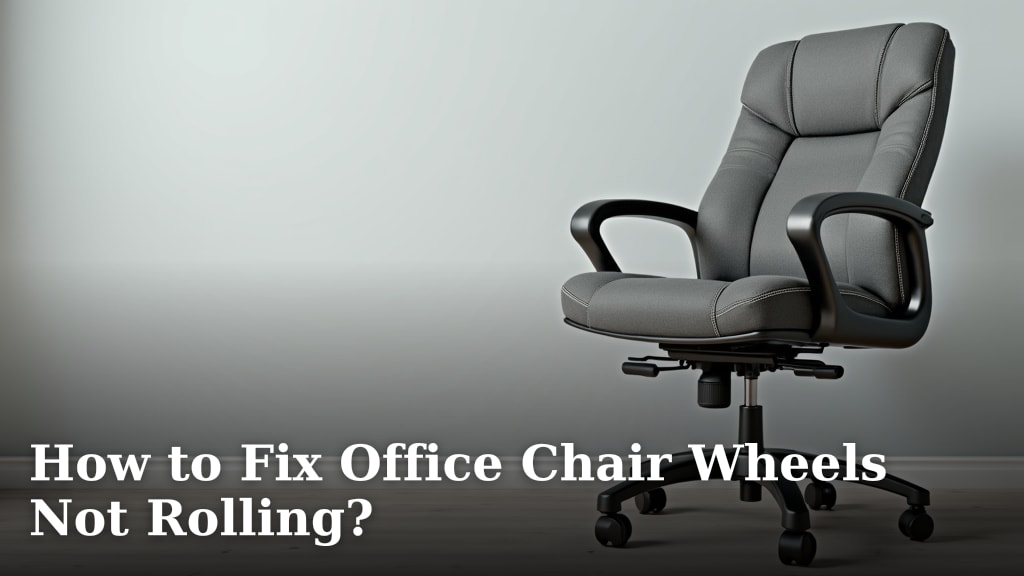
To fix office chair wheels not rolling, you will typically need to clean the casters, removing any hair and debris. Sometimes, you might need to lubricate the wheel axles or even replace worn-out wheels entirely. This often solves the issue.
There’s nothing more frustrating than a stubborn office chair. You know, when your chair suddenly decides to play dead, refusing to glide smoothly across the floor. This common problem can seriously disrupt your workday. You came here looking for solutions, and we found that most issues are simple to fix once you diagnose the cause.
- Clean your chair wheels to remove debris.
- Lubricate stiff axles with a silicone spray.
- Check for damaged or worn casters.
- Consider replacing the wheels if they’re old.
Below, we’ll walk you through the steps to get your office chair rolling smoothly again. We’ll cover everything from simple cleaning to wheel replacement, so you can get back to productivity without the friction.
Getting Your Office Chair Wheels Rolling Again
If your office chair wheels are stuck, don’t worry. This is a common issue with several straightforward solutions. We’ll help you pinpoint the problem and get your chair gliding smoothly.
Diagnosing the Issue: Why Are Your Wheels Stuck?
Before you grab your tools, let’s figure out what’s causing the trouble. Is it one wheel or all of them? Do they feel rough or completely locked up? Understanding the symptoms helps find the cure.
Common Culprits for Sticky Casters
We found that most non-rolling wheel problems fall into a few main categories. You’ll often find hair and debris are the top offenders. Other issues include rust, worn-out parts, or even a basic misalignment.
- Hair and Debris: Long strands of hair, pet fur, carpet fibers, and dirt often get wrapped around the wheel axles. Think of it like a tiny, tangled mess stopping the spin.
- Lack of Lubrication: Sometimes, the wheel’s internal mechanisms just need a little boost. Casters can become dry and stiff over time.
- Rust or Corrosion: If your chair is in a humid environment or has seen some spills, rust can build up. This slows down movement or locks wheels solid.
- Damaged Wheels: Cracks, flat spots, or broken bearings can stop a wheel from rolling correctly. This often happens with older chairs.
- Incorrect Casters: Believe it or not, some wheels just aren’t right for your flooring. Soft wheels on carpet, for example, can struggle.
- Weight Overload: Although less common, exceeding your chair’s weight capacity can stress the casters, causing them to bind or break.
Step-by-Step Fixes for Sticking Wheels
Now that you have a better idea of the potential problems, let’s get into the solutions. Start with the easiest fix and work your way up. You might be surprised how simple it is!
1. The Essential First Step: Cleaning Your Chair Wheels
Cleaning is almost always the answer, especially if you have pets or long hair. We found this to be the most effective first solution for many people. It’s like magic sometimes!
Here’s how to give your wheels a good scrub:
- Flip the Chair: Carefully turn your office chair upside down. You might need someone to help stabilize it.
- Inspect Each Wheel: Look closely at each caster. You’ll probably see a buildup of hair, threads, and dust.
- Remove Large Debris: Use your fingers or a pair of tweezers to pull out any large pieces of hair or string.
- Use a Small Tool: A pair of scissors, a utility knife, or even a flathead screwdriver can help cut and pry embedded gunk. Be careful not to damage the wheel or axle. We found a small hook tool works great for this.
- Clean with a Cloth and Cleaner: Wipe down the wheels with a damp cloth. For tougher grime, a little all-purpose cleaner or rubbing alcohol can help. Make sure it dries completely.
After cleaning, give the wheels a spin. Do they move more freely? If not, move on to the next step.
2. Lubricating the Axles for Smooth Movement
Once your wheels are clean, lubrication can work wonders. This is especially true if they feel stiff or squeaky. Think of it like oiling a rusty bike chain.
What kind of lubricant should you use? We recommend a silicone-based spray lubricant. Avoid petroleum-based products like WD-40 on plastic parts, as they can attract more dirt over time and degrade some plastics (National Institute of Environmental Health Sciences).
- Spray Sparingly: Apply a small amount of silicone spray directly to the axle where the wheel meets the housing.
- Work It In: Spin each wheel manually to distribute the lubricant.
- Wipe Excess: Use a cloth to wipe away any excess spray. You don’t want it attracting dust later.
3. Checking for Damage or Wear and Tear
Sometimes, cleaning and lubrication aren’t enough. It’s time to play detective and look for physical damage. Cracked wheels or bent axles are clear signs of trouble.
- Inspect for Cracks: Look at the wheel itself. Are there any visible cracks or chips?
- Check for Flat Spots: After heavy use, especially on carpet, wheels can develop flat spots. This makes them roll unevenly.
- Examine the Axle: Is the metal axle bent or rusty? A bent axle will prevent smooth rotation.
- Test the Bearings: Gently try to wiggle the wheel. Excessive play or grinding suggests worn bearings.
If you find significant damage, you might be looking at a replacement. But don’t throw out the chair just yet!
When to Consider Wheel Replacement
If cleaning and lubrication don’t solve your problem, or if you notice significant damage, it’s probably time for new wheels. This is often an easy and affordable upgrade.
You’ll be surprised how much better your chair feels with new casters. It’s like getting a whole new chair!
Choosing the Right Replacement Wheels
Not all chair wheels are created equal. You need to pick the right ones for your floor type and chair. This can prevent future rolling problems.
| Caster Type | Best For | Characteristics |
|---|---|---|
| Hard Wheels (Nylon/Plastic) | Carpet, Chair Mats | Durable, good grip on soft surfaces. Can scratch hard floors. |
| Soft Wheels (Rubber/PU) | Hardwood, Tile, Laminate | Gentle on hard floors, prevents scratches. Can drag on thick carpet. |
| Bell Glides | Stationary Use | Replaces wheels for a fixed chair. Good for unstable surfaces. |
| Rollerblade Style (PU) | All Floor Types | Smooth and quiet, glides easily. A popular upgrade choice. |
How to Replace Your Chair Casters
Replacing chair wheels is usually very simple. Most office chair casters justpull out and push in. No special tools are needed most of the time.
- Turn Chair Upside Down: Again, flip your chair over so the wheels are accessible.
- Remove Old Casters: Grip the wheel firmly and pull it straight out of the chair base. You might need to wiggle it a bit or use a flathead screwdriver for leverage if it’s stubborn.
- Insert New Casters: Align the stem of the new caster with the hole in the chair base. Push it in firmly until it clicks or feels secure.
- Test Them Out: Flip your chair back over and give it a test roll. Enjoy the smooth glide!
Preventative Maintenance: Keep Your Wheels Rolling
Once you’ve fixed the problem, you’ll want to keep those wheels in top shape. A little regular maintenance goes a long way. It saves you from frustration later on.
Here’s a quick checklist for ongoing care:
- Regularly Inspect: Take a quick look at your wheels every few weeks.
- Periodic Cleaning: Every 2-3 months, flip your chair and do a quick clean of the casters.
- Avoid Overloading: Stay within your chair’s weight limit. It’s listed in the manual or on the manufacturer’s website.
- Choose the Right Mat: If you have hard floors, a chair mat can protect both your floor and your wheels.
- Gentle Use: Avoid slamming your chair into obstacles or rough surfaces repeatedly.
By following these steps, you can keep your office chair rolling smoothly for years. No more wrestling with a stubborn chair!
Conclusion
You’ve now got all the tools to tackle those stubborn office chair wheels. Remember, whether it’s a quick clean, a dash of lubricant, or a full wheel replacement, fixing your chair is often simpler than you think. Don’t let a sticky wheel slow you down or hurt your productivity. You can easily bring back that smooth glide and enjoy a more comfortable work setup.
So, take a moment to diagnose your specific issue, grab a few simple tools, and get your chair rolling like new again. You’ve got this!
Frequently Asked Questions
How often should I clean my office chair wheels?
We recommend a quick check and light cleaning every 2-3 months, especially if you have pets or long hair. For heavy use or dirtier environments, cleaning monthly can help prevent buildup and keep your wheels rolling smoothly.
Can I use any household oil to lubricate my chair wheels?
It’s best to avoid general household oils like petroleum jelly or cooking oils. They can attract dust and dirt, making the problem worse over time, and might degrade plastic parts. Stick to a silicone-based spray lubricant for the best results.
My chair wheels are leaving marks on my hard floor. What should I do?
This usually happens when you’re using hard nylon wheels on a hard surface. We found that switching to “soft” rubber or polyurethane (PU) wheels, often called rollerblade-style wheels, can prevent scratches and scuff marks. A chair mat can also help protect your flooring.
Is it difficult to replace office chair wheels myself?
Not at all! Most office chair wheels, or casters, are designed to simply pull out of the chair base and push new ones in. You typically don’t need any special tools. It’s an easy DIY project that can make a big difference.
My chair wheels still aren’t rolling after cleaning and lubricating. What’s next?
If cleaning and lubricating haven’t worked, the next step is to carefully inspect each wheel for damage. Look for cracks, flat spots, bent axles, or excessive wobble. If you find any significant damage, replacing the casters is likely your best solution.