How to Fix an Antique Office Chair That Leans
To fix an antique office chair that leans, find whether the tilt comes from a loose base, seat connection, or worn tilt mechanism before tightening or replacing anything. Photograph the hardware, check for cracks, and stop if a repair could damage an original part.
On this page (6 sections)
- How do you find what makes an antique office chair lean?
- How can you inspect traditional tilt hardware?
- What should you do if the seat or tilt pivot is damaged?
- Can a replacement base or cylinder solve the problem?
- How do you repair a leaning antique office chair safely?
- How to fix an antique office chair that leans: what should you choose?
To fix an antique office chair that leans, identify whether the tilt comes from the base, seat connection, or tilt mechanism before tightening or replacing parts. Photograph the hardware, check for cracks, and pause if a repair could damage an original component.
Older chairs may use a screw, spring, pivot, or other tilt arrangement that differs from a modern chair. A controlled inspection helps you avoid treating a bent support or broken seat pan as a loose screw.
How do you find what makes an antique office chair lean?
Check whether the chair leans side to side, forward, or backward, then inspect the matching support points. Test it while empty and on a level floor so the chair's weight doesn't hide movement or add stress.
Take photos of the underside before moving parts. Look for loose fasteners, gaps, fresh metal dust, cracked wood or metal, and marks where components have shifted.
If the chair leans to one side, compare the base arms and feet or casters. A single short, bent, or loose support can make the seat appear tilted even when the seat connection is sound.
If the seat tips forward or backward, inspect the seat pan and the tilt pivot beneath it. For a similar issue, see VIDITA chair leaning back.
A broken seat pan that tilts backward needs a different fix from a loose base.
Could the base be causing the lean?
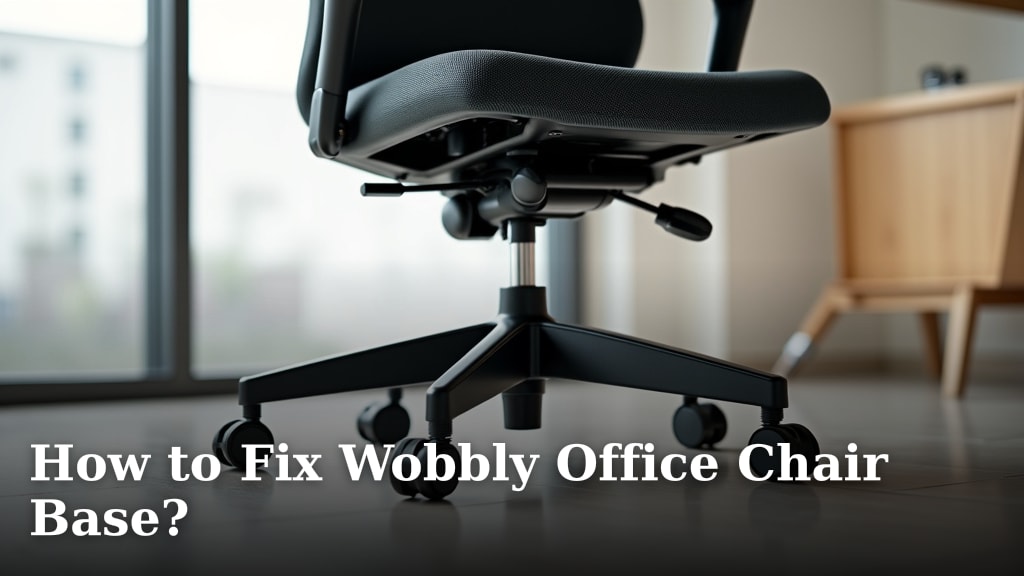
A chair that rocks or tilts when you push gently on the base may have a loose or damaged base connection. Check where the base meets the column and where each leg or caster attaches.
Don't sit in the chair to test a suspected crack or loose connection. Follow the inspection steps in our guide to fixing a wobbly office chair base.
Antique bases can be part of the chair's design and value. Avoid drilling, welding, or replacing original parts before you know whether the chair can be repaired with a reversible method.
How can you inspect traditional tilt hardware?
Look for a pivot, spring, locking pin, or adjustment screw, then check for looseness, damage, or a missing part. Take photos from several angles before cleaning or disassembling anything.
Some older chairs use a simple rocking joint rather than a modern tilt control. Check whether the mechanism moves evenly and whether a fastener is visibly loose; don't force a stuck pivot or turn a screw whose purpose is unclear.
Dust and old residue can make a mechanism look damaged. Wipe only the surface with a soft, dry cloth until you understand the materials and finish, and avoid oil or solvents that could affect wood, paint, or upholstery.
Is it safe to tighten a loose fastener?
Tighten only a fastener you can identify, with the right tool, and only until it is snug. Stop if the screw spins freely, resists turning, or pulls material with it.
A loose nut or bolt may be all that holds a joint in place, but over-tightening can strip old threads or crush wood. Keep the original fastener and note its location if it must come out.
If the hardware is bent, cracked, heavily corroded, or part of a spring-loaded assembly, leave it to a repair specialist. A traditional mechanism can store force, and forcing it may make the chair unsafe.
What should you do if the seat or tilt pivot is damaged?
Stop using the chair if the seat pan, support, or pivot is cracked or visibly bent. These parts carry your weight, and a cosmetic adjustment won't make a damaged joint safe.
Do not add a washer, shim, or improvised brace to hide a lean. That can shift the load to another weak point and make the chair harder to assess later.
For an original chair, ask a furniture repair shop or conservator whether the part can be stabilized without replacing more of the assembly. Bring your photos and note when the lean occurs, such as only during rocking or even when upright.
Can a replacement base or cylinder solve the problem?
A replacement part helps only when the faulty part is identified and the replacement fits the chair. A cylinder addresses height adjustment; it does not fix a loose base, seat pan, or traditional tilt pivot.
If the chair has a modern gas lift, a replacement cylinder may be relevant when it sinks or moves at the seat-column connection. The Office Oasis replacement comes with a removal tool, gloves, and installation instructions, and the company gives a 1-1/8 in piston shaft and 2 in column diameter.
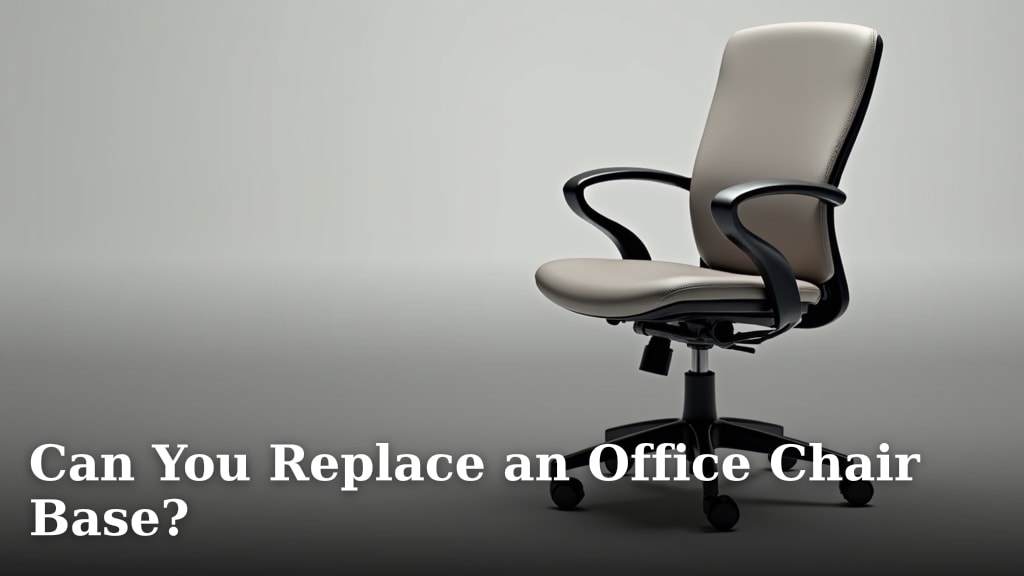
This part won't correct a chair that leans because its base or tilt hardware is damaged. Read whether you can replace an office chair base before choosing a base replacement.
The Omyoffice 5.5 Inch Office Chair Gas Lift has a 5.5 in adjustable height range. Check the existing cylinder's dimensions and the chair's fit before considering it.
Omyoffice describes this cylinder as fitting most office chairs, but says it cannot fit every chair. An antique model may use a different column or connection, so measure and confirm compatibility first.
The Omyoffice 5.5” Office Chair Gas Lift Cylinder has a 5.5 in adjustable range and dimensions of 2 in outer diameter and 1.1 in inner diameter. These details can help you compare it with a removed cylinder.
Neither gas lift is a fix for a traditional tilt mechanism. If the chair has an original screw column or fixed-height design, a cylinder may not be appropriate.
How do you repair a leaning antique office chair safely?
Make only a small, reversible adjustment after confirming the cause and condition of the parts. Keep the chair unloaded during inspection, and ask a specialist about structural damage or valuable original hardware.
Use the correct tool and support the chair so it cannot fall while you work. Keep removed screws and washers in labeled groups, and photograph each step so the original arrangement is clear.
After a repair, place the chair on a level surface and check for movement without sitting in it. If the lean remains, a joint shifts, or the mechanism behaves differently, stop and get the chair assessed.
How to fix an antique office chair that leans: what should you choose?
For an antique office chair that leans, tighten a clearly loose fastener only when the surrounding part is sound. Choose a specialist if the frame, seat pan, or tilt hardware is cracked, bent, stuck, or original and delicate.
Consider a gas lift only if the chair has a compatible modern cylinder and the fault relates to its height or fit. If the chair leans because of its base, seat pan, or traditional mechanism, diagnose and repair that part instead.
If your chair behaves like a newer model, see how to fix a leaning office chair for common modern mechanisms. For a chair that reclines too far, use the guide to an office chair that leans back too far; if it sinks instead, see how to fix an office chair that won't stay up.
Frequently asked questions
Why does an antique office chair lean to one side?
A side-to-side lean can come from a loose connection, bent support, damaged seat pan, or a base that no longer sits level. Check each connection with the chair unloaded, and compare the legs or casters on a flat floor.
Stop if you find a crack, distortion, or a part that appears original and fragile.
Can I tighten an antique chair's tilt mechanism?
You can gently snug an accessible fastener if it is clearly loose and the threads and surrounding metal look sound. Use the correct size tool and avoid forcing a stuck screw.
Older tilt hardware may use a spring, pivot, or lock that needs a repair specialist if it is bent, cracked, or seized.
Can a gas cylinder fix a leaning antique office chair?
A gas cylinder helps only if the chair uses a compatible cylinder and the problem is height or cylinder movement. It won't correct a loose base, tilted seat pan, or worn traditional tilt mechanism.
Identify the chair's construction and measure the old cylinder before choosing a replacement.
When should I stop trying to repair an antique office chair?
Stop when the frame, seat pan, pivot, or cast metal has a crack, or when removing a part may damage a finish or original hardware. A chair conservator or repair shop can assess whether the part is structural and whether a reversible repair is possible.