Why Drafting Chair Wheels Won’t Roll and How to Fix Them
Drafting chair wheels that won't roll are often blocked by hair or debris, set against a floor mat edge, or held by caster brakes. Turn the chair over, inspect each wheel, clear obstructions, and check the brake mechanism before replacing a caster.
On this page (7 sections)
- Why won't drafting chair wheels roll?
- How do you check drafting chair caster brakes?
- How do you clean a drafting chair wheel that is stuck?
- Could the floor or mat be stopping the wheels?
- How can you tell if a caster is broken?
- When is the problem the chair cylinder instead?
- What should you do if drafting chair wheels still won't roll?
Drafting chair wheels that won't roll are often blocked by hair or debris, held by a caster brake, or stopped by a floor mat edge. Turn the chair over, inspect each wheel, clear anything caught in it, and test the brake before replacing a caster.
A chair that feels stuck can also have more than one cause. Check all the casters and the floor around them, then move on to parts replacement only if cleaning and releasing a brake don't restore movement.
Why won't drafting chair wheels roll?
A jammed caster or an engaged brake is a common reason drafting chair wheels stop rolling. Debris can wrap around the wheel axle, while a rug edge or floor mat seam can block a small caster.
Check whether all the wheels resist movement or just one. If one wheel is stuck, focus on that caster; if the whole chair feels difficult to move, check the floor, mat, chair load, and any brakes.
Drafting chairs often have taller bases or foot rings, but the wheel troubleshooting steps are similar to those for other office chairs. For a broader step-by-step approach, see how to fix office chair wheels not rolling.
How do you check drafting chair caster brakes?
Look for a lever or tab next to each wheel and make sure it is in the released position. Some caster designs include a brake, while others do not, so check the chair instructions if you are unsure.
Turn the chair over carefully and inspect both sides of each wheel. Don't force a lever that seems stuck; the brake may be damaged or the part may serve another purpose.
If you don't find a locking mechanism, look for something physically stopping the wheel. A piece of thread or debris can keep a caster from turning even when it looks clear from above.
How do you clean a drafting chair wheel that is stuck?
Remove visible hair and debris from around the wheel and axle, then wipe the caster clean. Unplug nearby electronics and place the chair on its side or upside down on a soft surface so you can inspect the base without scratching the floor.
- Check that the chair is stable before turning it over.
- Inspect each wheel, axle, and fork for hair, thread, dust, or small objects.
- Pull loose material away with your fingers or blunt tweezers.
- Wipe the wheel and caster with a damp cloth.
- Let the parts dry, return the chair upright, and test movement on a clear floor.
Don't use a knife or sharp tool near the wheel. Avoid spraying lubricant into a caster unless the chair maker recommends it, since some products can collect dust or affect plastic parts.
A wheel can look dirty but still turn freely. If it spins when lifted but catches when you sit down, check whether the caster stem, socket, or chair base is loose or damaged.
Could the floor or mat be stopping the wheels?
A floor mat edge, rug, cable, or uneven flooring can make working casters feel stuck. Move the chair to a clear, level surface and test it before removing any parts.
Check that the mat lies flat, with no curled corners or raised seams in the chair's path. Also look for power cords or objects caught beneath the base.
If one wheel is tilted or sits at an odd angle, inspect its connection to the base. Our guide explains why office chair wheels are tilted and what that position can signal.
How can you tell if a caster is broken?
A cracked wheel, a bent fork, or a caster that stays stuck after cleaning may need replacement. Check for wobbling, uneven wear, or a loose stem where the wheel meets the chair base.
Move the chair only a short distance after a suspected failure. A damaged caster can catch suddenly and make the chair unstable.
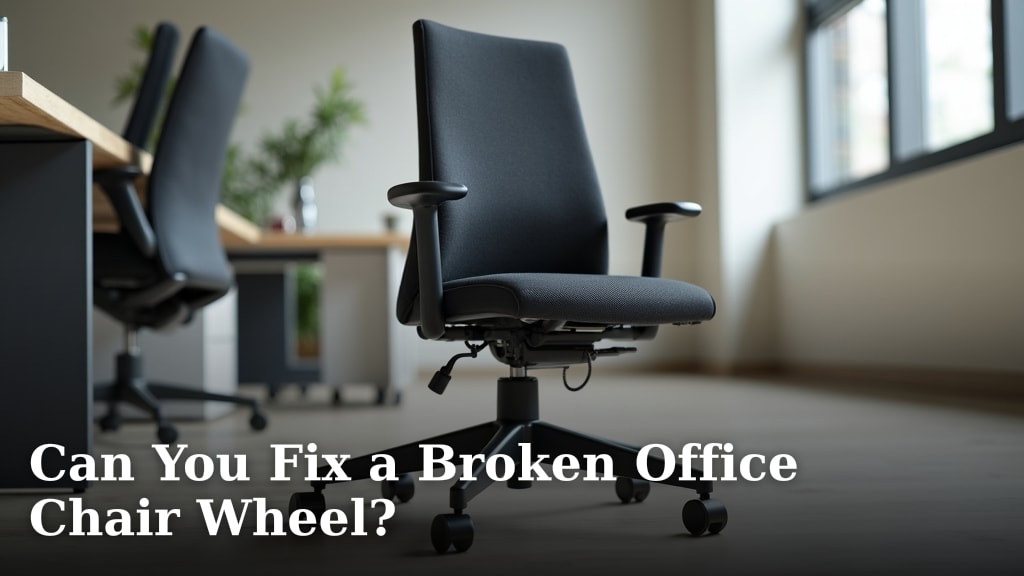
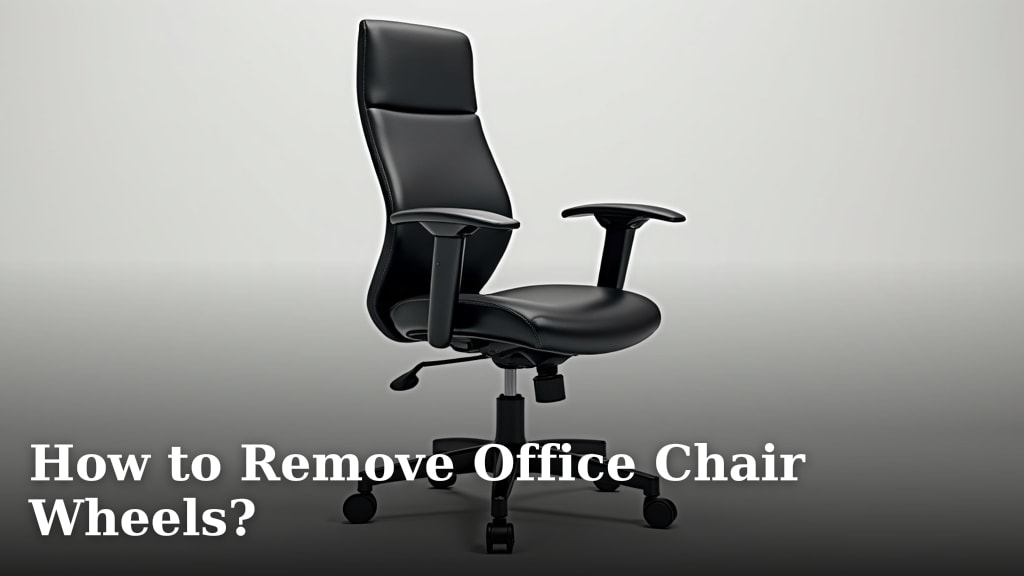
For a closer look at repair options, read can you fix a broken office chair wheel. If the wheel is intact but its stem is stuck in the base, follow the steps in how to remove office chair wheels.
Match the replacement caster to the chair's stem type and dimensions. A wheel that looks similar may not fit the socket or work well on your floor.
When is the problem the chair cylinder instead?
A faulty gas cylinder affects seat height, not whether a caster wheel spins freely. If the wheels roll when the chair is empty but the seat sinks or won't stay at the right height, the cylinder may be the part to inspect.
For a specific case, see why a Bossin chair is sinking.
A gas lift replacement doesn't repair a jammed or broken caster. First confirm that the wheels move freely and the chair base is intact, then consider a cylinder only if the seat-height mechanism is also failing.
The Office Oasis cylinder kit includes a removal tool, gloves, and installation instructions. The brand gives a 1-1/8 in piston shaft diameter and a 2 in column diameter, so compare those measurements with your chair.
Omyoffice gives a compressed height of 11.4 in and an expanded height of 16.9 in for this 5.5 in lift. Compare those measurements with your chair before choosing it.
This Omyoffice cylinder has a 50 mm outer diameter and a 28 mm inner diameter. Use those dimensions to check compatibility with your chair.
For a sinking seat, see how to fix an office chair that won't stay up. If the chair's recline mechanism is the issue, how to fix an office chair that won't tilt back covers that problem separately.
What should you do if drafting chair wheels still won't roll?
If cleaning, releasing the brake, and clearing the floor don't help, inspect the caster and base for damage. Replace only the part that is worn or broken, and check compatibility before installing it.
Choose a replacement caster if the wheel or fork is damaged. Choose a cylinder only when the seat-height mechanism is also failing; it won't solve a wheel that doesn't turn.
After the repair, test the chair on a clear, level floor before returning it to regular use. If the base, socket, or brake is damaged, ask the chair maker which part fits your model.
Frequently asked questions
Why won't my drafting chair wheels roll?
Hair, thread, dust, or a small object can jam a caster. A floor mat edge, uneven floor, or engaged brake can also stop movement.
Turn the chair over, check each wheel and the floor beneath it, and confirm the brake is released before deciding that a wheel is broken.
How do I clean drafting chair wheels?
Turn the chair over and remove loose hair and debris from around each wheel with your fingers or blunt tweezers. Wipe the wheel and fork with a damp cloth, then let them dry.
Avoid forcing a jammed wheel or applying oil unless the chair maker recommends it.
Can drafting chair wheels be locked?
Some casters have a brake or locking tab, while others do not. Look for a small lever or tab near the wheel and check the chair instructions to see how it works.
If there's no brake, a jam or floor obstruction is more likely than a lock.
When should I replace a drafting chair caster?
Replace a caster if its wheel is cracked, deformed, loose, or still fails to turn after you remove debris. Check the replacement stem and wheel dimensions against your chair before buying.
If the caster socket or chair base is damaged, contact the chair maker about the right repair.