Can Sitting Badly Cause Kyphosis?
On this page (7 sections)
Yes, your posture can definitely play a role in developing kyphosis. Slouching and poor sitting habits over long periods can contribute to a rounded upper back, a key characteristic of kyphosis. While genetics and other conditions can cause it, your daily habits are a major factor in whether you develop this condition. We often hear about the dangers of sitting too long, and this is a big one! Our guide to the best sitting posture for back pain explains how to sit correctly.
This spinal curve, often called a “hunchback,” isn’t always severe. Sometimes, it’s mild and barely noticeable. But when your posture gets consistently bad, it can put extra strain on your spine. This can lead to discomfort and, over time, changes in your spinal alignment. It’s not just about looking a certain way; it can affect how you feel day-to-day.
- Kyphosis is a rounding of the upper spine.
- Bad posture, like slouching, can contribute to it.
- This can happen over a long period of time.
- Your daily habits matter a lot.
- It can lead to pain and alignment issues.
Let’s break down how your sitting habits might be affecting your back and what you can do about it. An ergonomic chair can help support your spine and improve your sitting habits.
Could Your Sitting Habits Be Leading to a Rounded Back?
Yes, your posture can absolutely influence the development of kyphosis. Slouching and spending too much time in less-than-ideal sitting positions can contribute to a rounded upper back. This is a key characteristic of kyphosis, sometimes called a “hunchback.” While genetics or certain medical conditions can also cause it, your daily habits are a major player. We often hear about the dangers of prolonged sitting, and this is a big one!
This spinal curve isn’t always severe. Sometimes, it’s mild and barely noticeable. But when your posture is consistently poor, it puts extra strain on your spine. This can lead to discomfort and, over time, changes in your spinal alignment. It’s not just about how you look; it can affect how you feel day-to-day.
Understanding Kyphosis and Your Spine
Kyphosis refers to an excessive outward curve of the spine. This curve usually happens in the upper back, also known as the thoracic spine. A healthy spine has a natural curve, but kyphosis makes this curve more pronounced. Think of your spine like a flexible rod. It’s designed to bend and move, but it also needs support. When you slouch, you’re essentially putting a constant bend in that rod, especially in the upper section.
When you sit poorly, you might be leaning forward. Your shoulders often round inward. Your head might jut forward to look at a screen. This position can put a lot of pressure on the front of your vertebrae. Over time, these vertebrae can change shape slightly. They might become wedge-shaped instead of rectangular. This can permanently increase the curvature of your spine.
The Natural Curve vs. The Problematic Curve
A normal thoracic spine has a gentle, outward curve. This curve helps absorb shock and allows your body to move smoothly. It’s part of what makes us upright and balanced. Many experts agree that this natural curve is important for spinal health (National Institute of Arthritis and Musculoskeletal and Skin Diseases).
However, kyphosis is when this curve goes beyond what’s considered normal. A common way to measure this is by looking at the Cobb angle on an X-ray. Generally, a curve greater than 40 degrees is considered indicative of kyphosis. Poor posture habits can gradually lead to an increase in this angle over years.
How Poor Sitting Habits Contribute to Kyphosis
Your daily routine likely involves a lot of sitting. You sit at work, at home, in your car, and for leisure. If your sitting posture isn’t supported, it can set the stage for spinal issues. Let’s look at how this happens.
The “Slouch Syndrome”
This is the most common culprit. When you slouch, you’re essentially collapsing your upper body. Your upper back rounds out, and your shoulders droop forward. Your head often tilts forward as well. This creates a rounded appearance.
Imagine wearing a backpack that’s too heavy. You might lean forward to compensate. Prolonged slouching does something similar to your spine. It stretches the ligaments in the back of your spine and compresses the ones in the front. Over time, this can reinforce a rounded posture.
Desk Work and Screen Time
Many jobs require hours at a computer. You might find yourself hunched over a keyboard. Your neck cranes forward to see the monitor. Even at home, scrolling through phones or watching TV can lead to similar positions. This constant forward-leaning posture is a big contributor to poor upper back alignment.
We found that prolonged static postures, especially those that are slumped, can weaken the muscles that support your spine. These include your core muscles and the muscles in your upper back. When these muscles weaken, they can no longer hold your spine in a healthy, upright position as effectively.
Lack of Movement and Muscle Imbalance
Sitting for long periods means your muscles aren’t moving much. This can lead to muscle imbalances. Some muscles become tight and overused, while others become weak and underused.
For example, your chest muscles (pectorals) can become tight from being in a rounded position. At the same time, the muscles between your shoulder blades (rhomboids and middle trapezius) can become weak. This imbalance pulls your shoulders forward, further encouraging that rounded upper back posture. Many physical therapists highlight this muscle imbalance as a key factor in posture-related back pain (Cleveland Clinic).
Ergonomics Matter!
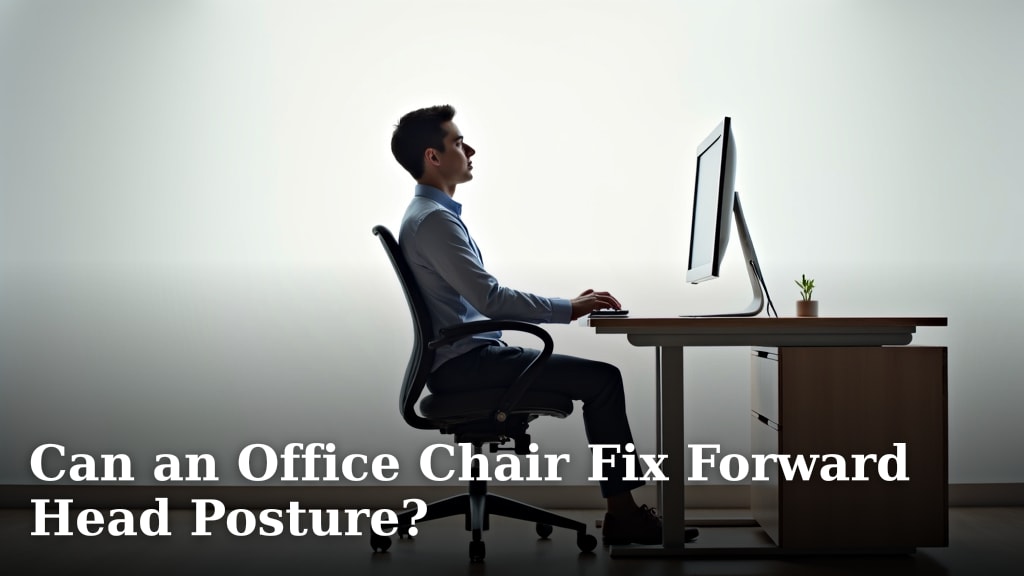
Are you working with an ergonomic setup? This means your workspace is designed to fit you and your task. If your chair isn’t supportive or your desk is too high or low, it can force you into awkward positions. You might lean in to reach the keyboard or crane your neck to see the screen.
A poorly set-up workstation can trap you in a bad posture for hours. This constant strain adds up. It’s like sleeping on a lumpy mattress every night; eventually, something’s going to hurt.

The Role of Time and Consistency
Kyphosis from poor posture doesn’t usually happen overnight. It’s typically a gradual process. Think of it like erosion. A tiny stream can carve out a huge canyon over thousands of years. Your posture habits are similar. Small, consistent periods of slouching add up.
If you spend eight hours a day at a desk with poor posture, and then another few hours on the couch slouching, that’s a significant amount of time. Over months and years, your spine can adapt to this position. The muscles and ligaments start to hold you in that rounded shape.
How Long is “Too Long”?
There’s no magic number of hours that guarantees kyphosis. However, research suggests that prolonged sitting is linked to various health issues. Extended periods of static sitting, especially with poor posture, are a concern. The general advice is to avoid sitting for more than 30-60 minutes at a time without getting up and moving. Taking breaks is key.
When you do sit, pay attention to your position. Are you letting your shoulders round? Is your lower back unsupported? Small adjustments can make a big difference in reducing cumulative strain on your spine.
Can You Reverse Posture-Induced Kyphosis?
The good news is that if your kyphosis is due to postural habits and not a structural issue with your vertebrae, it can often be improved. The key is consistency and commitment to better habits.
Strengthening and Stretching Exercises
A balanced exercise program is essential. You’ll want to strengthen the muscles that support an upright posture. This includes your upper back muscles, core, and glutes. You’ll also want to stretch muscles that tend to get tight, like your chest muscles and hip flexors.
We found that exercises like rows, scapular squeezes, and planks are highly recommended. Stretching your chest by doing doorway stretches can also help. Always consult with a healthcare professional or physical therapist before starting a new exercise routine, especially if you have back pain (Mayo Clinic).
Improving Your Sitting Habits Daily
Consciously correcting your posture throughout the day is vital. This means actively pulling your shoulders back and down. It means keeping your head aligned over your spine. It involves engaging your core muscles to support your back.
It might feel unnatural at first. You might even forget to correct yourself. That’s normal! The goal is to build new muscle memory. Over time, good posture will feel more comfortable than slouching.
Creating an Ergonomic Workspace
Making sure your chair supports your lower back is crucial. Your feet should be flat on the floor. Your monitor should be at eye level. These adjustments can help you maintain a better posture without as much effort. Investing in ergonomic equipment can be a wise move for long-term spinal health.
Consider using a lumbar support pillow if your chair lacks adequate back support. Adjusting your desk height so your elbows are at a 90-degree angle when typing is also beneficial. Small changes can significantly reduce strain.
| Bad Sitting Habits | Good Sitting Habits |
|---|---|
| Slouching forward, shoulders rounded | Sitting upright, shoulders back and relaxed |
| Head jutting forward towards the screen | Head balanced over spine, chin slightly tucked |
| Lower back unsupported, causing it to round | Lower back supported by chair or cushion |
| Feet dangling or crossed | Feet flat on the floor or a footrest |
| Hunching over keyboard for extended periods | Arms relaxed at sides, elbows near 90 degrees |
The Importance of Movement Breaks
Don’t stay in any one position for too long. Set a timer to remind yourself to get up and move every 30-60 minutes. Even a short walk around the room or some simple stretches can help. This gets your blood flowing and prevents muscles from getting stiff and tight.
Think of it as refreshing your posture. Shaking out your arms, rolling your shoulders, and doing a quick stretch can reset your body. This consistent movement is incredibly beneficial for spinal health and preventing the stiffness that can lead to poor alignment.
Checklist: Building Better Sitting Habits
- Assess your chair: Is it supportive?
- Position your monitor: At eye level.
- Sit upright: Engage your core slightly.
- Take breaks: Every 30-60 minutes.
- Stretch: Chest, neck, and shoulders.
- Be mindful: Correct your posture often.
Conclusion
You’ve learned that your sitting habits can indeed contribute to kyphosis. Consistently poor posture, like slouching at your desk or on the couch, puts strain on your spine over time. This can lead to a more pronounced upper back curve. The good news is that many posture-related kyphosis cases can be improved. By incorporating regular movement breaks, creating an ergonomic workspace, and focusing on strengthening and stretching exercises, you can work towards better spinal alignment. Start by making one small change today to set yourself on the path to improved posture and comfort.
Frequently Asked Questions
Will sitting badly every day cause kyphosis?
While not everyone who sits badly will develop kyphosis, it significantly increases your risk. Prolonged slouching and poor posture habits put cumulative strain on your spine. Over years, this can gradually alter your spinal alignment and contribute to a rounded upper back.
How can I tell if my sitting posture is causing kyphosis?
If you notice a persistent rounding of your upper back, shoulder discomfort, or neck pain that worsens with sitting, it could be related to your posture. A healthcare professional or physical therapist can properly assess your spine and posture to determine the cause.
Is kyphosis caused by sitting reversible?
Kyphosis caused by poor postural habits is often reversible or at least manageable. Structural kyphosis due to bone abnormalities is less so. Consistent effort with exercises and posture correction is key to improving postural kyphosis.
What are the best exercises to counteract kyphosis from sitting?
Exercises that strengthen your upper back muscles (like rows and scapular squeezes) and core are highly recommended. Stretching your chest muscles and practicing good posture awareness throughout the day also helps significantly.
Should I see a doctor if I suspect kyphosis from my sitting habits?
Yes, it’s a good idea to consult with a doctor or physical therapist. They can accurately diagnose the type and severity of your spinal curve and recommend a personalized treatment plan to address your specific needs.