What Is the Correct Posture for Text Neck?
On this page (6 sections)
The correct posture for text neck involves keeping your head directly over your shoulders, not jutting forward. Imagine a string pulling the crown of your head gently towards the ceiling. This position minimizes the strain on your neck and spine. Aim to hold your phone at eye level as much as possible.
Slouching over your phone puts immense pressure on your neck. Some research suggests this can be equivalent to the weight of 60 pounds pressing down. Practicing good posture can help prevent the pain and long-term issues associated with “text neck.” We found that small adjustments make a big difference.
- Keep your head aligned with your shoulders.
- Hold devices at eye level.
- Avoid prolonged looking down.
- Take frequent breaks.
- Strengthen neck and upper back muscles.
Let’s walk through the simple adjustments you can make to improve your posture right now and protect your neck.
Finding Your Ideal Posture for Phone Use
The right way to hold your phone means keeping your head stacked directly over your shoulders. Think of it like balancing a beautiful sculpture. Your neck should feel neutral, not strained. This simple alignment helps distribute the weight of your head evenly. Research shows this position can dramatically reduce stress on your cervical spine (Mayo Clinic).
The “String” Analogy for Neutral Head Position
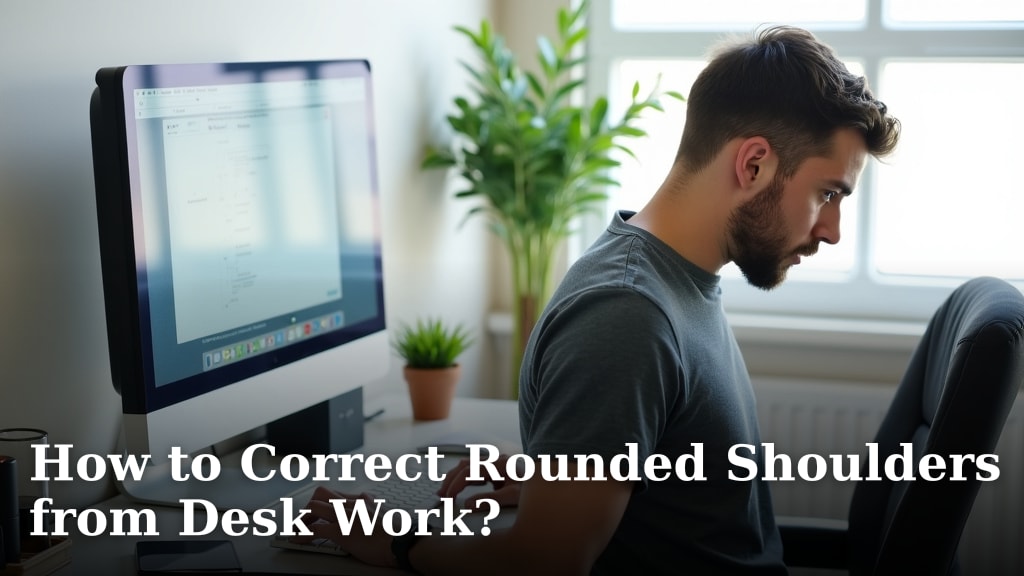
Picture a gentle string attached to the crown of your head. This string is pulling you softly upward towards the ceiling. You want your ears to be aligned vertically with your shoulders. If desk work has rounded your shoulders, review how to correct rounded shoulders. Your shoulders should naturally relax down. This is your goal alignment. It prevents your head from inching forward.
Why Your Phone’s Position Matters So Much
When you look down at your phone, your head’s forward tilt increases the forces on your neck. Even a slight angle can add significant weight. We found that tilting your head forward by just 15 degrees can put about 27 pounds of force on your neck. Push it to 45 degrees, and that’s around 49 pounds! At 60 degrees, it’s closer to 60 pounds of pressure (American Journal of Orthodontics and Dentofacial Orthopedics).
Imagine carrying a bowling ball around your neck all day. That’s essentially what happens when you slouch over your phone. This constant strain can lead to pain, stiffness, and even long-term damage if you’re not careful. You might start noticing it in your upper back and shoulders too. Your body is trying to tell you something’s not quite right.
Practical Adjustments for Everyday Life
So, how do you combat this modern-day postural challenge? It’s all about making conscious, small changes. You don’t need to become a statue. You just need to be a bit more mindful of how you’re holding yourself.
Bringing Your Device Up to Eye Level
This is probably the most effective strategy. Instead of letting your head drop, bring your phone (or tablet, or e-reader) up to where your eyes naturally look. This means lifting it closer to your face. You might feel a little awkward at first. But your neck will thank you for it. Many experts recommend this as the primary way to prevent text neck.
Using Stands and Mounts
For extended phone use, consider using a stand. You can get small stands for your desk or lap. For watching videos or video calls, a phone mount is a lifesaver. Think about your workstation. Is your laptop screen at the right height? You might need a laptop stand and an external keyboard. These tools help you achieve that neutral head position without conscious effort. For keyboard ergonomics, review proper typing arm position.
Navigating on the Go
Walking and texting is a prime offender. When you’re out and about, try to stop for a moment before looking at your phone. Or, if possible, hold your phone up higher. This might feel a little less discreet. But safety and spinal health are more important than appearances. We’ve all seen people nearly walk into things while glued to their screens!
Taking Regular Breaks is Key
No matter how perfect your posture is, prolonged static positions aren’t ideal. Your muscles need to move. Set a timer for yourself. Every 20-30 minutes, take a short break. Stand up, stretch, walk around for a minute or two. This simple habit can prevent stiffness and fatigue from setting in.
Simple Stretches to Do on Your Break
During your breaks, try a few gentle stretches. You can do chin tucks: gently pull your chin back, creating a double chin. Hold for a few seconds, then relax. Another good one is looking gently left and right, then up and down. These small movements help restore circulation and release tension. Always move gently and listen to your body. You don’t want to overdo it.
Strengthening Your Neck and Upper Back
Good posture isn’t just about avoiding bad habits; it’s also about building strength. Stronger muscles in your neck and upper back can better support your head’s weight. This helps you maintain good alignment naturally.
Neck Strengthening Exercises
Some simple exercises can help. You can do neck extensions by tilting your head back gently, holding, and returning to center. Similarly, tilt your head side to side. You can also add gentle resistance with your hand. Consult a physical therapist for a personalized exercise plan. They can ensure you’re doing them correctly and safely.
Upper Back and Shoulder Exercises
Exercises like rows, shoulder blade squeezes, and rear delt flies can strengthen the muscles that help pull your shoulders back. This counteracts the forward-slouching posture. Many yoga and Pilates poses are also excellent for building this support structure. Building this muscle strength is a long-term strategy for better posture.
Comparing Postures: What to Aim For
Let’s look at the difference between good and bad posture in a simple table. This should give you a clear visual of the goal.
| Posture Type | Head Position Relative to Shoulders | Neck Strain Level | Potential Issues |
|---|---|---|---|
| Ideal/Correct Posture | Head centered directly over shoulders. Ears align with shoulders. | Low to minimal. Natural curvature supported. | Reduced risk of pain, stiffness, headaches. Improved breathing. |
| Text Neck Posture | Head juts forward, often by many degrees. Ears are in front of shoulders. | High. Increased pressure on cervical spine. | Neck pain, shoulder pain, upper back pain, headaches, fatigue, potential long-term spinal changes. |

Your Quick Posture Checklist
Want to make these changes stick? Try this simple checklist to reinforce good habits:
- Head Check: Is your head aligned over your shoulders right now?
- Phone Height: Is your device near eye level?
- Shoulder Relaxation: Are your shoulders dropped down, not hunched?
- Break Reminder: Did you take a stretch break in the last 30 minutes?
- Movement Focus: Are you varying your position and moving regularly?
Making these small adjustments can make a world of difference for your neck and overall well-being. You’ve got this!
Conclusion
You’ve learned how simple adjustments can protect your neck from the strain of modern device use. Remember, keeping your head aligned over your shoulders and bringing your phone to eye level are your primary defenses. Consistent breaks and strengthening exercises build long-term resilience. Your posture is a conscious choice, and even small changes add up quickly. Start implementing these tips today to feel the difference in your neck and overall comfort. You have the power to improve your posture and well-being!
Frequently Asked Questions
What’s the easiest way to check if my posture is correct while using my phone?
Simply stand or sit up straight and align your ears directly over your shoulders. This is your neutral spine position. If your ears are forward of your shoulders, your head is jutting forward. This quick check helps you self-correct on the go.
How often should I really be taking breaks from my phone?
Aim for a short break every 20 to 30 minutes. Even a minute of standing up, stretching your neck gently, or walking around can make a big difference. Prolonged static positions put unnecessary strain on your neck muscles.
Can text neck actually cause long-term damage?
Yes, research suggests that chronic poor posture from text neck can lead to long-term issues. This can include persistent neck and back pain, reduced spinal mobility, and even changes to your natural spinal curvature over time. Taking preventive measures is key.
Are there any exercises I can do at my desk to help my posture?
Absolutely! Try simple chin tucks: gently pull your chin back to create a double chin, hold for a few seconds, and release. Shoulder blade squeezes are also great, just pull your shoulder blades together as if you’re trying to pinch a pencil between them.
I get headaches from looking at my phone. Could this be related to text neck?
It’s very possible. Increased strain on your neck and upper back muscles from forward head posture can often lead to tension headaches. Correcting your phone posture and strengthening those supporting muscles may help alleviate your headaches.