
Can You Reupholster an Office Chair?
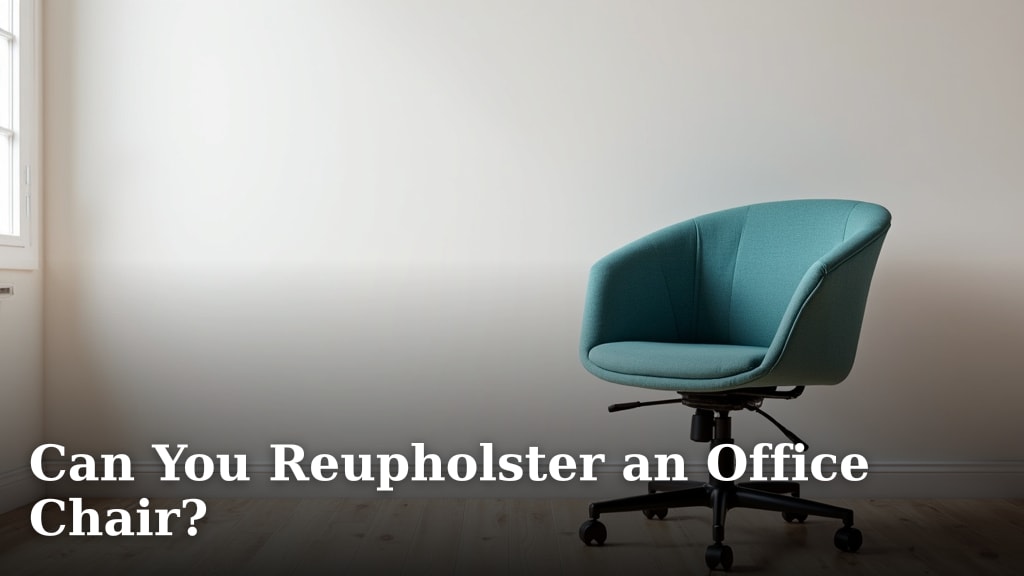
Yes, you can absolutely reupholster an office chair! It’s often a more affordable and eco-friendly option than buying a new one. If your office chair is structurally sound but looks a bit tired, reupholstering can give it a whole new life and a fresh look.
Many people think reupholstering is only for antique furniture, but it’s a practical solution for many modern items, including your trusty office chair. You can pick new fabrics that better suit your style or offer improved comfort and durability. It’s a great way to save money and reduce waste.
- Reupholstering your office chair is definitely possible.
- It’s usually cheaper than buying new.
- It’s a sustainable choice for the environment.
- You can choose a brand new look and feel.
- Check if the chair’s frame and mechanisms are still good.
Ready to see if your office chair is a good candidate for a makeover? Let’s go over what you need to know about reupholstering your office chair, from deciding if it’s worth it to the steps involved.
Giving Your Office Chair a New Upholstery Cover
Yes, you can absolutely reupholster an office chair! It’s a fantastic way to refresh a tired-looking chair. When your office chair is still comfortable and functional, but the fabric is worn or stained, reupholstering is a smart choice. It’s often much cheaper than buying a brand new chair. Plus, it’s a greener option for the planet.
Think of it like giving your favorite jacket a new lining. The structure stays the same, but the inside feels and looks brand new. This guide will walk you through everything you need to consider before you start. We’ll help you decide if your chair is a good candidate for a makeover.
Is Reupholstering Your Office Chair Worth It?
Before you grab your staple gun, let’s figure out if this project makes sense for your specific chair. Not all office chairs are created equal when it comes to reupholstering.
Assessing Your Chair’s Condition
The most important step is to inspect the chair’s frame and all its moving parts. Is the base sturdy? Does the gas lift still work smoothly to adjust the height? Are the wheels rolling freely? If the chair has significant structural damage or mechanical issues, reupholstering might not be the best solution. You could end up spending money on new fabric for a chair that has other problems.
Many office chairs are built with a metal or heavy-duty plastic frame. These tend to last a long time. The fabric, on the other hand, takes a beating from daily use. It can fade, tear, or become threadbare. If the frame and mechanisms are sound, you’re likely looking at a If your office chair has a heavy-duty plastic frame, our guide to the best ergonomic chairs for heavier individuals might offer insights.successful reupholstery project.
Cost Comparison: Reupholster vs. New
Let’s talk about the wallet. Buying a new, decent office chair can cost anywhere from $150 to $500 or even more. Reupholstering, on the other hand, typically involves the cost of fabric and any necessary supplies. Fabric costs can vary widely, from $10 per yard for basic options to $50+ per yard for premium materials.
For most standard office chairs, you’ll need about 2-3 yards of fabric. Add in some staples, spray adhesive, and perhaps a new foam cushion if needed, and your total cost could be under $100. This is a significant saving compared to buying a new chair. Many experts agree that reupholstering is cost-effective for furniture that is structurally sound.
The Environmental Factor
Did you know that old furniture often ends up in landfills? Millions of tons of furniture waste are generated each year. Reupholstering your office chair is a sustainable choice. You’re diverting waste from landfills and reducing the demand for new manufacturing. This means fewer resources are used and less energy is consumed. It’s a small act with a positive environmental impact.
Choosing to reupholster aligns with the principles of reducing, reusing, and recycling. It’s a responsible way to update your workspace without contributing to excess waste. Many environmental organizations highlight furniture reuse as a key strategy for sustainability.
Choosing Your New Office Chair Fabric
This is where the fun really begins! Selecting the right fabric can completely transform the look and feel of your office chair. You want something that is not only stylish but also durable enough for daily use.
Durability and Wear Resistance
Office chairs get a lot of action. You’ll be sitting in it for hours, shifting your weight, and sometimes even fiddling with the fabric. Look for materials known for their high rub count. The Martindale or Wyzenbeek tests measure how many “rubs” a fabric can withstand before showing wear. For high-traffic use, a fabric with a rub count of 30,000 or higher is generally recommended (The Textile Institute).
Consider fabrics like:
- Polyester blends: These are very durable, stain-resistant, and easy to clean.
- Olefin (polypropylene): Known for exceptional durability and resistance to fading and moisture.
- Microfiber: Soft, durable, and often resistant to stains.
- Leather or faux leather: Classic choices that are easy to wipe clean but can sometimes be warmer.
Comfort and Feel
Beyond durability, think about how the fabric will feel against your skin. Do you prefer something soft and plush, or something cooler and smoother? A breathable fabric is important, especially if you tend to get warm while working. Natural fibers like cotton can be breathable but may stain more easily. Blends often offer a good balance of comfort and practicality.
If you have a particularly ergonomic chair, the fabric choice can impact how well you slide into different positions. Sometimes, a slicker fabric can help you adjust your seating more easily. We’ve found that many people enjoy the feel of a soft, slightly textured polyester blend for everyday use.
Aesthetics and Style
Your office chair is part of your workspace’s overall look. Do you want it to blend in or be a statement piece? Consider the color scheme of your office. A bold color can add personality, while a neutral tone offers versatility. Patterns can also add visual interest, but be mindful that they might show wear more subtly than solid colors.
Think about the style of your office. Is it modern and minimalist? Rustic and cozy? Traditional? The fabric choice can tie into your existing decor. You might opt for a sleek, solid color for a modern look, or a textured tweed for a more traditional feel.
The Reupholstery Process for Office Chairs
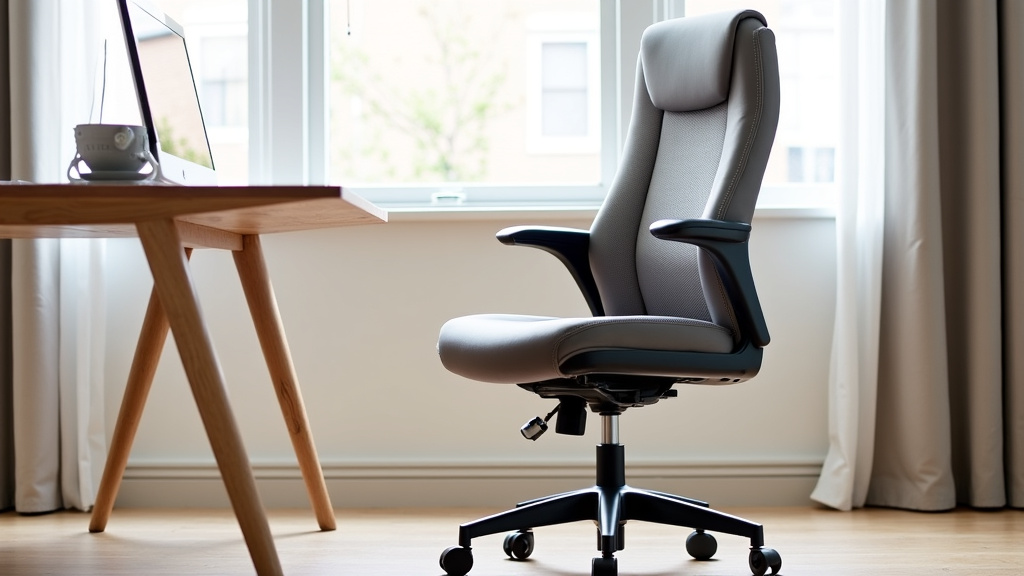
Reupholstering an office chair typically involves removing the old fabric, preparing the chair, cutting new fabric, and attaching it securely. While it can be a DIY project, it requires patience and some basic tools.
Gathering Your Tools and Materials
You’ll need:
- Your chosen upholstery fabric
- A staple remover or flathead screwdriver
- A heavy-duty staple gun and staples (1/4″ to 3/8″ are common)
- Sharp scissors or a rotary cutter
- Spray adhesive (optional, for securing foam or edges)
- New foam or batting (if needed)
- A Phillips head screwdriver (for disassembling parts)
- A drop cloth or old sheets
Having everything ready before you start will make the process much smoother. It’s like packing your lunch the night before a busy day.
Disassembling the Chair
First, you’ll likely need to remove the seat cushion from the chair base. Many office chair seats are attached with screws from the underside. Keep track of all screws and parts; a small baggie and label can be very helpful.
Once the seat is free, you’ll need to carefully remove the old fabric. Use your staple remover or screwdriver to pry out all the old staples. Work slowly to avoid damaging the underlying foam or the seat base. Take note of how the original fabric was placed and attached. This will be your guide for applying the new fabric.
Cutting and Attaching New Fabric
Lay your old fabric pieces flat on your new fabric, smoothing them out. Cut the new fabric, leaving about 3-4 inches of extra fabric around the edges. This extra fabric will be used to pull taut and staple to the underside of the seat base.
Center the new fabric on the seat cushion. Start stapling at the center of one side, pull the fabric taut, and staple the center of the opposite side. Repeat this for the remaining two sides. Then, work your way outwards from the center, pulling the fabric smoothly and evenly to avoid wrinkles. Continue stapling, ensuring the fabric is tight across the cushion. Trim any excess fabric neatly before finishing.
Reassembling Your Refreshed Chair
Once the fabric is securely attached and trimmed, reattach the seat cushion to the chair base. Make sure all screws are tightened properly. If you had to disassemble any other parts, put them back together carefully.
Give your newly upholstered chair a spin! Test the height adjustment and the swivel. You’ve just given your office chair a new lease on life. It’s a satisfying feeling to see the finished product of your hard work.
When to Call a Professional Upholsterer
While many office chairs can be reupholstered at home, some situations might call for professional help. If your chair has a complex design, multiple fabric panels, or intricate tufting, a professional can ensure a flawless finish.
Also, if you’re short on time or simply prefer not to tackle the DIY route, professional upholsterers have the tools and expertise to do the job quickly and efficiently. They can often source fabrics you might not find easily, and their work usually comes with a guarantee. This can be a worthwhile investment for a high-quality office chair.
Tips for a Smooth DIY Project: A Quick Checklist
- Check chair frame and mechanisms are in good working order first.
- Measure your fabric needs accurately – better to have a little extra.
- Choose a durable and comfortable upholstery fabric.
- Work in a well-lit, spacious area.
- Take photos as you disassemble to remember how it goes back together.
- Pull fabric taut for a wrinkle-free, professional look.
Conclusion
You absolutely can reupholster your office chair, and it’s a smart move for your wallet and the planet. If your chair’s frame and mechanics are still solid, giving it a fresh fabric cover is often much cheaper than buying new. You have the freedom to choose fabrics that boost comfort, durability, and your personal style. Ready to refresh your workspace? Consider your chair’s condition and your fabric preferences, and then decide if it’s time for a DIY makeover or a visit to a professional upholsterer.
Frequently Asked Questions
How much fabric do I typically need for an office chair?
For most standard office chair seats, you’ll generally need around 2 to 3 yards of upholstery fabric. It’s always a good idea to measure your chair and buy a little extra to account for any mistakes or the need for precise pattern matching.
Can I reupholster a gaming chair?
Yes, you can often reupholster a gaming chair, especially if the seat and back cushions are removable or if the frame is still in good shape. Gaming chairs can be more complex due to their bucket seats and sometimes integrated parts, so assess its construction carefully before starting. If you’re considering reupholstering a gaming chair, our guide explains their suitability for back health.
What’s the difference between upholstery fabric and regular fabric?
Upholstery fabric is designed for heavy wear and tear. It’s typically thicker, more durable, and often treated for stain resistance. Regular fabric, like cotton from a craft store, might not withstand the constant friction of sitting and can wear out quickly on an office chair.
Will reupholstering affect my chair’s ergonomic features?
If done correctly, reupholstering should not negatively impact your chair’s ergonomic features. The goal is to replace the fabric cover without altering the underlying foam or the chair’s structural support system. Ensure the new fabric allows for comfortable movement and doesn’t create undue stiffness.
How often should I consider reupholstering an office chair?
The lifespan of upholstery varies greatly depending on fabric quality and usage. If the fabric is showing significant wear, is ripped, stained beyond cleaning, or you simply want a change, it’s a good time to consider reupholstering. A well-maintained chair might last for many years before needing a new cover.
