
How to Compare Office Chair Brands?
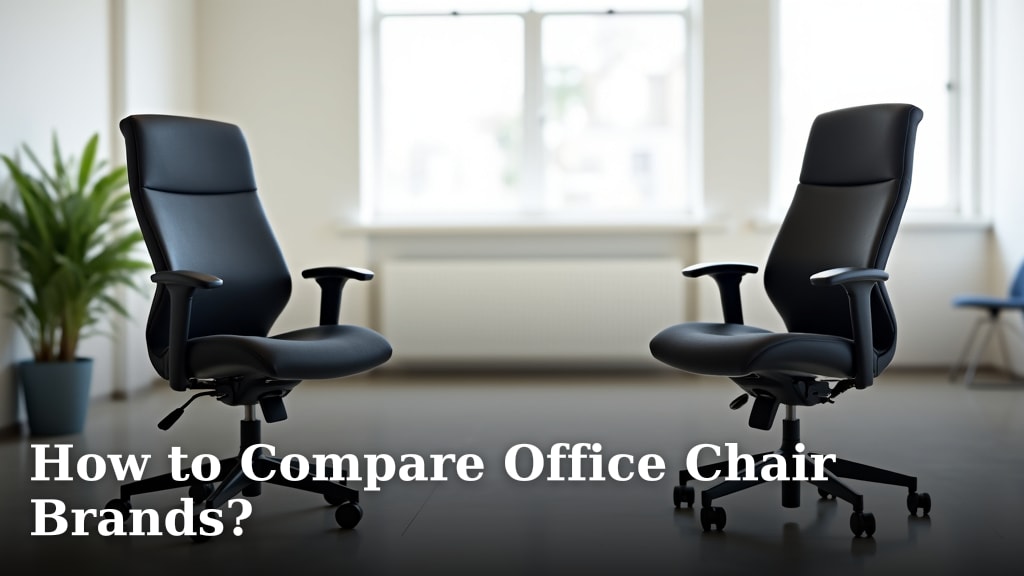
When comparing office chair brands, focus on ergonomics, adjustability, and warranty. You need a chair that supports your body correctly for long hours. A chair that lets you fine-tune its settings will fit you better. Always check the manufacturer’s warranty for peace of mind.
Choosing the right office chair brand involves looking beyond just looks. We found that brands often excel in different areas, like durability or unique features. Think about your specific needs, such as back support or material preferences. This comparison helps you find a chair that truly lasts.
- Consider ergonomics for comfort.
- Check adjustability for a custom fit.
- Look at warranty details for assurance.
- Think about brand reputation and materials.
Ready to find the perfect chair? Let’s dive into how to effectively compare office chair brands so you can make a smart choice.
Choosing the Right Office Chair Brands: A Smart Comparison Guide
Picking an office chair brand can feel overwhelming. So many choices! We get it. You want a chair that feels like it was made just for you. One that supports you through long workdays. We’ve researched what makes office chair brands stand out. It often comes down to a few key factors. Let’s break down how to compare them effectively.
Understanding Ergonomics: Your Body’s Best Friend
Ergonomics is the big word for comfort and health. It’s about designing things to fit people. A good ergonomic chair helps prevent pain. It supports your posture naturally. You’ll feel less tired at the end of the day. This is the most important feature to consider.
Lumbar Support: The Lower Back Saver
Your lower back needs gentle support. It has a natural inward curve. An ergonomic chair should match this curve. This is often called lumbar support. Some chairs have fixed lumbar support. Others let you adjust its height and depth. Adjustable support is usually better. It means you can customize the fit. We found that chairs with adjustable lumbar support receive higher marks for comfort. This helps maintain a healthy spine (Cleveland Clinic). An ergonomic chair should match this curve to provide proper lumbar support.
Seat Depth and Height: Finding Your Sweet Spot
Your legs should be comfortable too. The seat depth should allow you to sit all the way back. You should have a few fingers’ width between the seat edge and the back of your knees. This prevents pressure on your legs. Seat height is also vital. Your feet should rest flat on the floor. Your knees should be at about a 90-degree angle. Many brands offer chairs with adjustable seat depth and height. This ensures a proper fit for different body types.
Armrest Adjustability: Supporting Your Shoulders
Armrests can help reduce neck and shoulder strain. They should support your arms lightly. Your shoulders should be relaxed, not hunched. The best armrests adjust in height. Some also adjust in width and pivot. This lets you position them perfectly. You want them close enough to support your forearms while typing. But not so close they force you to hunch. We found that 3D or 4D adjustable armrests offer the most customization.
Key Adjustability Features to Look For
Beyond the basics, great chairs offer more ways to adjust. These features let you fine-tune your seating experience. Think of it like tailoring a suit. You want it to fit perfectly. Brands that offer more adjustments usually cost more. But they often provide better long-term comfort.
Backrest Tilt and Lock: Finding Your Recline Angle
A chair that reclines can offer relief. You can lean back to stretch. Many chairs allow you to tilt the backrest. Some let you lock it in place. Others have a “synchro-tilt” mechanism. This means the seat and backrest move together. It keeps your body in a good position. Look for chairs that let you adjust the tilt tension too. This controls how easily you can recline.
Headrest and Footrest: Added Comfort Options
Not all chairs have headrests. But if you often lean back, they can be nice. A headrest supports your neck and head. Ensure it’s adjustable in height and angle. Some chairs offer an optional footrest. This is great if you like to prop your feet up. It’s less common for standard office chairs. But it’s a nice feature for some users.
Warranty and Durability: Investing for the Long Haul
Office chairs are an investment. You want one that lasts. The warranty is a good indicator of a brand’s confidence. Durability means the chair can withstand daily use. It uses quality materials and construction.
Understanding Warranty Types
Warranties vary greatly. Some cover just a year or two. Others offer 10 years or even a lifetime. Pay attention to what the warranty covers. Does it include parts, labor, and upholstery? Some warranties are pro-rated. This means the longer you own the chair, the less the warranty covers. We found that longer, comprehensive warranties are a sign of quality.
Material Matters: Fabric, Mesh, and Leather
The materials used affect comfort and durability. Mesh chairs are breathable. They keep you cool, which is great for warm environments. Fabric chairs can be soft and comfortable. They come in many colors and patterns. But they can be harder to clean. Leather chairs look premium. They can be durable but might feel hot. Consider your personal preference and your office climate.
Build Quality: What to Look For
Inspect the chair’s construction. Does it feel sturdy? Check the base and casters. Are they made of metal or plastic? Metal is generally more durable. Look at the stitching and seams. Are they neat and strong? Many reputable brands use high-density foam. This foam holds its shape longer. It prevents the seat from becoming flat.

Brand Reputation and Reviews: What Others Say
Don’t underestimate the power of reviews. Brands build reputations over time. Some are known for innovation. Others are praised for customer service. Reading reviews can give you real-world insights. Look for patterns in feedback.
Where to Find Reliable Reviews
Many retailers provide customer reviews. Independent review sites can also be helpful. Look for reviews that discuss long-term use. They often mention durability and comfort over time. Be wary of reviews that seem overly positive or negative. Try to find a balance. We found that detailed reviews mentioning specific features are most useful.
Price vs. Value: Making a Smart Purchase
Office chairs range from under $100 to over $1000. More expensive chairs often have better ergonomics. They use higher-quality materials. They also tend to last longer. However, a high price doesn’t always guarantee a perfect fit. You need to balance cost with your needs and budget.
Budget-Friendly Options
You can find decent chairs on a budget. Look for brands that focus on essential ergonomic features. Prioritize good lumbar support and adjustability. These chairs might not have all the bells and whistles. But they can still offer good comfort for moderate use. Many reviewers suggest brands known for value. They offer a good balance of features and price.
Premium Choices for Long-Term Comfort
If you spend most of your day in a chair, consider investing more. Premium brands often have better engineering. They use top-tier materials. They also offer more extensive warranties. These chairs are designed for heavy, long-term use. They can be a worthwhile investment in your health and productivity.
Putting It All Together: Your Checklist
To make your comparison easier, use this checklist:
- Ergonomics: Does it support your back and posture?
- Adjustability: Can you customize seat height, depth, and armrests?
- Lumbar Support: Is it adjustable or well-designed for your back?
- Materials: Do the fabric, mesh, or leather suit your needs?
- Warranty: How long is it covered and what does it include?
- Reviews: What do other users say about comfort and durability?
Conclusion
You’ve learned how to look beyond the surface when comparing office chair brands. Remember to prioritize ergonomics for your body’s health and comfort. Fine-tune your search by looking at the adjustability options each brand offers. A strong warranty and good build quality signal a brand’s commitment to durability. By using your new checklist and considering what matters most to you, you’re ready to find a chair that perfectly supports your workdays. Your next step is to start researching specific brands that align with your needs and budget.
Frequently Asked Questions
Are expensive office chairs always better?
Not necessarily, but they often are. Higher-priced chairs typically use better materials and have more advanced ergonomic features. They also tend to come with longer warranties, indicating the brand’s confidence in their durability. It’s about finding the best value for your specific needs and budget, not just the highest price tag.
How important is lumbar support when comparing brands?
Lumbar support is incredibly important for your lower back health. When comparing brands, look for chairs that offer adjustable lumbar support. This allows you to customize the support to the natural curve of your spine, which can prevent pain and improve posture during long sitting periods.
Can I trust online reviews when comparing office chair brands?
Online reviews can be a helpful tool, but approach them critically. Look for reviews that offer detailed feedback on comfort, durability, and specific features over time. Be wary of overly positive or negative reviews. A pattern of consistent feedback across multiple reviews often gives you a more reliable picture of a brand’s performance.
What should I do if I can’t try a chair before buying?
If trying a chair in person isn’t an option, focus on the brand’s return policy and warranty. Read the product descriptions carefully, paying attention to measurements and adjustability features. Look for brands with clear, customer-friendly return policies. This gives you a safety net if the chair doesn’t meet your expectations.
How do different materials affect my choice of office chair brand?
The material impacts comfort and maintenance. Mesh chairs offer breathability, ideal for warmer climates. Fabric chairs can be soft but may stain easily. Leather chairs look premium and can be durable, though they might feel hot. Consider your personal preference and your typical work environment when evaluating material options from different brands.
