How to Use a Filing Cabinet
How to use a filing cabinet well means sorting papers into labeled folders by category, then filing new papers the same day. Keep active files up front, archives in back, and purge or scan old piles on a regular schedule.
On this page (10 sections)
- How to use a filing cabinet for the first time
- What papers belong in a filing cabinet
- How do you set up folders that stay organized
- How should you label a filing cabinet drawer
- What daily filing routine works best
- How should you purge and archive old files
- Which filing cabinet fits a small office
- How do desk tools support a filing system
- What mistakes make filing cabinets messy
- How do you maintain a filing cabinet over time
How to use a filing cabinet well means sorting papers into labeled folders by category, then filing new papers the same day. You do not need a complex system.
You need clear categories, readable labels, and a habit of putting paper away at once.
This guide explains folder setup and daily filing for organized office paperwork. It covers drawers, labels, purging, and where a cabinet fits next to other desk storage.
How to use a filing cabinet for the first time
Start with empty drawers, blank hanging folders, and a label maker or pen. Sort loose papers into piles before you file anything.
Groups such as tax, home, work, health, and school make a good start.
Hanging folders hold whole categories. Inner folders hold single documents inside a category.
For example, a tax hanging folder can hold separate folders for each year. That structure keeps one category together without mixing years.
Place the most used categories at the front of the drawer. Put archives at the back.
You will save time if active files come first. Our guide to best desk organizers and accessories helps you decide what stays on the desk and what moves into drawers.
Write labels in short, plain words. Use the same words you would search for later.
A folder called "Electric bill" is clearer than "Utilities 2024 misc." Add a date when a year matters.
What papers belong in a filing cabinet
Keep papers you must find again in the cabinet. That includes tax returns, contracts, insurance records, warranties, medical bills, and property documents.
Paid invoices and receipts belong there when you need them for taxes or disputes.
Keep short term papers out of the cabinet. Daily notes, drafts, and unread mail create clutter when they go straight into folders.
They hide the files you actually need. Sort mail over the trash or recycling bin first.
Digitize what you can, then file the original only when it matters. A scanned warranty is fine for most searches.
Keep originals for passports, titles, and signed contracts. Note the scan location on the folder.
A desk top tray can hold new papers for one week. File that tray every Friday.
If paper sits longer than a week, the system is not working. Reduce categories or move the cabinet closer to your desk.
How do you set up folders that stay organized
Use one hanging folder per category and one inner folder per document. That rule prevents a single folder from growing into a thick pile.
When a folder gets thick, split it by date or subject.
Choose broad categories first. Five to ten categories suit most home offices.
Too many categories make filing slow. Too few categories make searching slow.
You can refine later.
Color coding can help if you use it consistently. Assign one color per category and keep a simple key taped inside the drawer.
Do not add new colors without a reason. Consistency matters more than the colors themselves.
Our roundup of best filing cabinets explains drawer sizes and folder options. Measure your folders before you buy a cabinet.
Standard letter and legal sizes need different drawer depths, and a mismatch wastes space.
How should you label a filing cabinet drawer
Label every hanging folder and every drawer front with the same words. Drawer labels help guests and family members file correctly.
Folder labels help you search fast with one hand on the drawer pull.
Use tabs at the top for easy reading. Keep labels short enough to fit.
Print labels when handwriting is hard to read later. Handwriting is fine when it is neat and dark.
Order folders alphabetically within a category when the list is long. Order by date when only the year matters.
Put the newest year at the front for active files. Put archives in year order at the back.
Avoid labels with vague words such as "misc" or "other." Those folders become dumping grounds.
Create a real category or discard the paper. A misc folder should hold only one or two items awaiting a decision.
What daily filing routine works best
File new papers once a day, at the same time. A five minute routine beats a monthly pile.
Keep a small inbox tray on the desk so new paper has one home until filing time.
Sort with three piles. File now, scan now, and recycle or shred.
Do not create a fourth pile called "later." Later piles grow until they block the drawer.
Decide at the desk, not at the cabinet.
Return folders to their exact tab position after each use. Do not leave a folder on the desk for "a few days."
That habit breaks the system faster than any bad label. If you need a folder daily, keep it in a desktop file holder instead.
A best clamp on desk shelf can free desk space for a daily inbox tray when your desk is crowded.
Keep the shelf clear of paper piles so the tray stays visible.
How should you purge and archive old files
Purge active files every three months and archives once a year. Remove duplicates first.
Then remove paid bills, expired warranties, and old quotes you no longer need. Keep tax and legal records for the full retention period.
Scan before you shred when a document has lasting value. Store scans in folders that match your cabinet categories.
Use the same names on screen and on paper. That match makes digital search as fast as drawer search.
Mark archive folders with the year and the date you can discard them. Write that date on the label.
Future you will thank present you. Do not store archives in the front of the drawer.
Some records need fire protection. That need changes where you store originals.
Read are file cabinets fireproof before you assume a standard cabinet protects paper. A standard cabinet is for organization, not fire safety.
Which filing cabinet fits a small office
Choose a cabinet that fits under or beside your desk without blocking drawers. An under desk unit suits a small room because it uses space you already reserved for legs.
Measure height, width, depth, and knee space before you order.
The DEVAISE 5-Drawer Filing Cabinet Under Desk has five drawers in a white engineered wood frame. It measures 18.7 in deep by 15.7 in wide by 25.5 in high.
That size fits many desks and holds a full set of hanging folders.
Its handle free white front gives a clean look in a studio or home office. Use the top drawers for daily files and the lower drawers for archives.
Assembly instructions are included, so plan time for setup before you load heavy folders.
If floor space is tighter, consider a rolling unit. Our guide to the best small rolling file cabinet covers compact options that move to a printer or shelf.
Rolling units suit renters who rearrange furniture often.
How do desk tools support a filing system
Keep writing tools and small supplies on the desk, not in the filing drawers. Pens, markers, and sticky notes stay within reach while paper stays filed.
That split keeps drawers for paper only.
The Choices & Change Vintage Typewriter Pencil Holder for Desk holds more than 30 pens, pencils, and markers. It measures 4.5 in by 4.5 in in its compact footprint.
Its heavy resin build helps it stay in place on a desk.
Use a holder like this for tools you touch daily. Keep it near the inbox tray so you can write labels and dates without hunting for a pen.
That small habit makes daily filing faster.
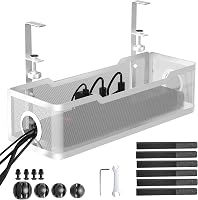
Cables and power strips also affect organization. A best cable management box hides cords under the desk and keeps floors clear.
Clear floors make it easier to open drawers fully and file without bending around clutter.
A best desktop printer stand can raise a printer and create storage below it. That space can hold extra folders or a scanner tray.
Keep printed pages moving into the cabinet the same day.
What mistakes make filing cabinets messy
Avoid one giant folder for all paper. That folder will grow until you dread opening it.
Split by category and date as soon as it holds more than a handful of pages.
Avoid filing unread mail in folders. Unread mail hides tax notices and bills.
Sort mail first, then file only the papers you need to keep. Recycle ads and shred sensitive mail you do not need.
Avoid unlabeled folders. An unlabeled folder forces you to open every folder to find one page.
Labels cost a minute now and save ten minutes later. Label before you file, not after.
Avoid deep archives at the front. Active files belong at the front where you reach them first.
Archives belong at the back or in a lower drawer. That order keeps daily searches short.
Fire risk is a separate concern. A best fireproof file cabinet suits originals that you cannot replace.
Standard cabinets do not offer that protection.
How do you maintain a filing cabinet over time
Wipe drawers, rails, and folder tabs every few months. Dust on rails can make drawers stick.
A quick wipe with a dry cloth keeps drawers sliding smoothly.
Check hanging folder hooks and tabs for wear. Replace bent hooks and faded labels during a purge.
Small repairs stop a drawer from jamming when it is full. Do not overload one drawer while others sit empty.
Balance drawer weight by moving heavy archives to lower drawers. Keep top drawers light when a cabinet stands on the floor.
Under desk units should sit level so drawers open without catching.
Keep a short list of scans and originals, with where originals live. That list helps during moves, taxes, and insurance claims.
Update it whenever you scan a batch.
How to use a filing cabinet comes down to clear categories, labeled folders, and a daily five minute habit. Start with broad categories, file active papers at the front, and purge on a schedule.
Frequently asked questions
What should I file in a filing cabinet?
File papers you need to find again, such as tax records, contracts, warranties, medical bills, school records, and paid invoices. Keep daily reference papers in labeled folders.
Short term notes and drafts can stay on the desk until they are final.
How do I organize folders in a filing cabinet?
Group folders by purpose, such as taxes, home, work, and health. Use hanging folders for whole categories and inner folders for individual files.
Place active categories at the front.
Label every folder so you can find it without opening drawers.
Should I use hanging folders or drawer dividers?
Hanging folders work best when you add or remove files often because they move with the drawer. Dividers help when you want fixed sections and use file pockets.
Many people combine both, with hanging folders for active files and dividers for archives.
How often should I clean out a filing cabinet?
Review active files every three months and archives once a year. Remove duplicates, paid bills you no longer need, and expired warranties.
Scan important papers before shredding originals.
A short purge keeps drawers light and makes searches faster.