Do You Need a Headrest on an Office Chair?
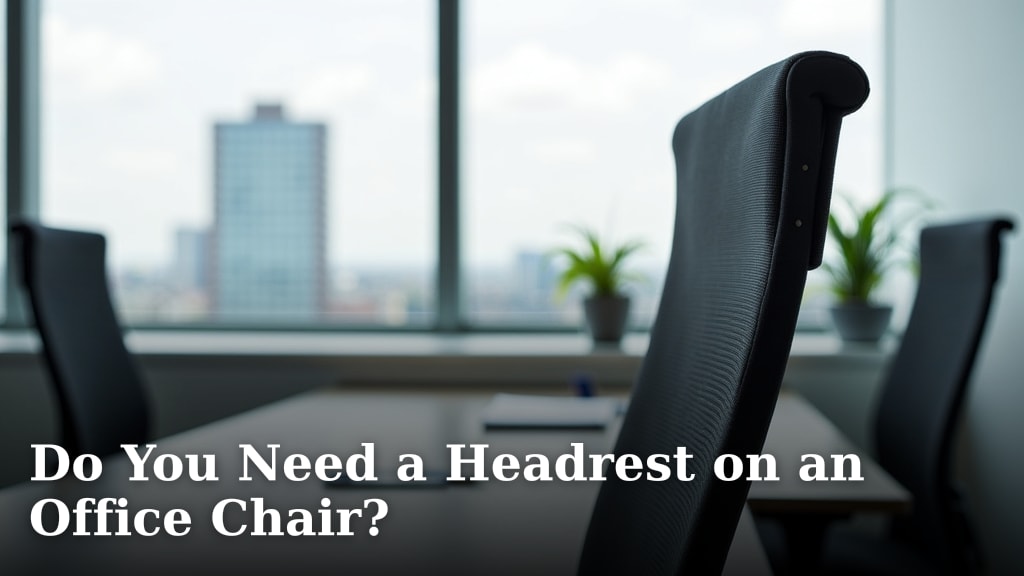
No, you do not always need a headrest on an office chair, especially if you spend most of your time sitting upright and maintaining good posture. Many ergonomic chairs are designed for optimal back support without a headrest, focusing instead on the lumbar and thoracic regions.
The need for a headrest often depends on your personal sitting habits and the type of work you do. If you frequently recline or take short breaks to lean back, a headrest can offer welcome neck and head support. However, for active sitting, it might not be a top priority.
TL;DR:
- Headrests aren’t always essential for good posture.
- Many chairs prioritize lumbar support.
- Consider a headrest if you recline often.
- Active, upright sitting may not require one.
- It really comes down to your personal preference.
Let’s dive into the details to help you decide if a headrest is right for your office setup.
Is a Headrest Essential for Your Office Chair?
No, a headrest isn’t always essential for an office chair. It really depends on how you sit and what your work involves. Many ergonomic chairs provide excellent support without one.
Let’s break down when a headrest helps and when it might just be extra. Understanding your sitting habits is key here. Your comfort and long-term health are what matter most.
Understanding Ergonomics and Posture
Ergonomics is all about designing things for efficiency and comfort in the working environment. When it comes to office chairs, this means supporting your body naturally. Good posture is about keeping your spine in its natural S-curve. This reduces strain on your muscles and discs.
Your head and neck are important parts of this alignment. The goal is to keep them balanced over your shoulders. This prevents forward head posture, which can cause pain. Many chairs focus on lumbar and thoracic support first. This foundational support helps your upper body fall into place. (National Institutes of Health (NIH)).
The Role of Spinal Alignment
Maintaining a neutral spine is crucial. Your lower back (lumbar) should be gently supported. Your mid-back (thoracic) also needs proper contouring. When these areas are aligned, your neck and head often follow naturally. Think of it like building a stable tower. If the base is off, the top will wobble.
An ergonomic chair encourages you to sit upright. It helps you avoid slouching. This kind of active sitting doesn’t always need a headrest. Your neck muscles are engaged and supporting your head. This strengthens them over time.
When a Headrest Becomes Your Best Friend
For many people, a headrest is a nice-to-have, not a must-have. But in specific situations, it can really make a difference. Consider your daily routine and how you use your chair. Are you constantly leaning forward, or do you take breaks to relax?
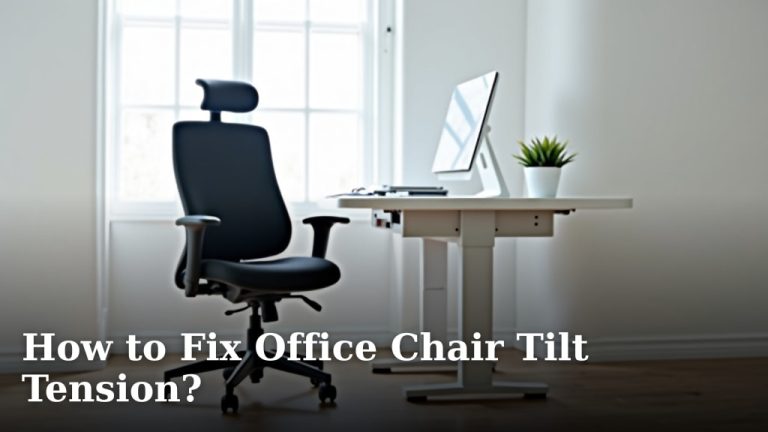
If your work involves frequent breaks or reclining, a headrest shines. It provides a spot to rest your head and neck. This takes pressure off your cervical spine. It lets your neck muscles relax, which can prevent stiffness. Many experts agree that support during reclined positions is vital (American Chiropractic Association).
Reclining and Relaxation
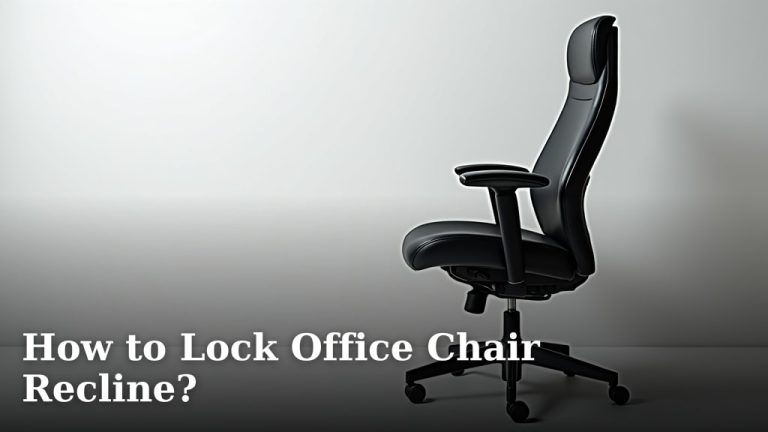
Do you often lean back in your chair? Maybe to think, read, or just decompress? This is where a headrest truly earns its keep. It supports your head when gravity isn’t pulling it straight down. Without it, your neck muscles work harder to keep your head from flopping. This leads to fatigue and discomfort.
A good headrest lets you fully relax into a reclined position. It cradles your head and neck. This is especially true for chairs with deep recline functions. It’s like having a comfortable pillow for your head. It helps you reset during long work sessions.
Specific Job Demands
Certain jobs might benefit more from a headrest. For example, if you’re on long conference calls, you might lean back more. If you’re a designer looking up at a large monitor, a headrest can provide relief. Think about tasks that make you hold your head in an awkward position. A headrest can counteract that strain.
When You Might Not Need a Headrest
Not everyone benefits equally from a headrest. For many, it’s simply unnecessary. Your sitting style plays a big part in this decision. If you’re a very active sitter, it might even get in the way. It’s all about matching the chair to your habits.
Many people sit upright for most of their workday. They maintain good posture without leaning back. In these cases, a headrest might go unused. It could even encourage slouching if it’s not positioned correctly. We’ve seen many people prefer a clean, minimalist design for active work.
Active Sitting and Upright Posture
Active sitting means you engage your core and back muscles. You sit tall and keep your head balanced. Your body provides its own support in this position. A headrest might not even touch your head. It could just hover behind it, doing nothing.
Some ergonomic chairs are designed precisely for this. They encourage natural movement and engagement. They don’t want you to rely on a headrest. Instead, they want your body to do the work. This can lead to stronger back and neck muscles over time.
Space and Aesthetics
Sometimes, it’s about practicalities. A chair with a headrest takes up more visual space. It can look bulkier in a small office. If your office has a clean, minimalist look, a headrest-free chair might fit better. We found that many smaller office setups opt for chairs without headrests. If visual space is a concern, our guide to the best office chair for small spaces offers excellent compact options.
Think about your office environment. Does a tall chair feel overwhelming? Does it block lines of sight? These are valid concerns. Functionality is important, but so is how a chair fits into your space.
Finding the Right Fit: Headrest or No Headrest?
The best chair is the one that fits *you*. It’s not about what’s universally “best.” It’s about your body, your work, and your preferences. Try before you buy if possible. Sit in different chairs. Pay attention to how your body feels.
Don’t just assume a headrest is a must. And don’t assume it’s useless either. It’s a personal choice. Your comfort and health are the priority. We recommend looking at all features of a chair.
| Consider a Headrest If: | You Might Not Need a Headrest If: |
|---|---|
| You frequently recline or lean back. | You primarily sit upright and actively. |
| You take frequent short breaks to relax in your chair. | You have a strong neck and upper back. |
| You experience neck fatigue or stiffness often. | You prefer a minimalist chair design. |
| Your job involves extended periods of looking upwards. | Your chair encourages dynamic movement. |
| You want full body support during relaxation. | You have limited space or prefer a lower profile. |
Key Factors When Considering a Headrest
If you decide to get a headrest, make sure it’s a good one. Not all headrests are created equal. A poorly designed headrest can do more harm than good. It needs to be adjustable and supportive. We found that adjustability is key for ergonomic benefits.
Look for headrests that move up and down. They should also tilt and pivot. This allows you to position it perfectly for your head and neck. It shouldn’t push your head forward. It should cradle it gently. A good headrest supports the natural curve of your neck (cervical spine).
Adjustability and Support
A static, unadjustable headrest can be problematic. It might hit your head in the wrong spot. Or it might push your head forward, creating strain. This defeats the purpose of a supportive feature. Think of it like adjustable car seats. Everyone needs a slightly different setting.
Test the headrest’s range of motion. Can you position it so it supports your neck? Does it feel comfortable when you lean back? Does it allow for natural movement? These are important questions to ask yourself. Don’t settle for “good enough.”
Your Personal Checklist for Office Chair Headrests
Deciding on a headrest can feel overwhelming. Use this quick checklist to guide your decision. It helps clarify your personal needs. Your comfort is the top priority here. We want you to make the best choice for your workday.
- Do you recline often in your current chair?
- Do you frequently experience neck or upper back pain?
- Does your job require looking up for extended periods?
- Do you prefer a chair that offers full body support for breaks?
- Is the headrest on the chair you’re considering adjustable?
- Does a headrest fit your office aesthetic and space constraints?

Conclusion
Choosing an office chair headrest really comes down to your unique needs and work habits. We’ve seen that it’s not a universal requirement, but a feature that genuinely benefits specific sitting styles. If you love to recline or need neck support during breaks, a good, adjustable headrest will be your ally.
However, if you’re an active, upright sitter, you might find it unnecessary. Your focus should always be on what helps you maintain good posture and prevents discomfort. Take our checklist, assess your routine, and pick the chair that best supports your well-being. Your neck and back will thank you!
Frequently Asked Questions
Is an office chair headrest good for your neck?
Yes, an office chair headrest can be good for your neck, especially when you recline or take short breaks. It helps support the natural curve of your cervical spine, allowing your neck muscles to relax. A good headrest prevents strain that can come from holding your head up without support.
Can a headrest cause neck pain?
A poorly designed or improperly adjusted headrest can cause neck pain. If it pushes your head forward or forces it into an unnatural position, it can create strain. Always ensure your headrest is adjustable and supports your neck’s natural curve, not just the back of your head.
What is the ideal height for an office chair headrest?
The ideal height for an office chair headrest allows it to support the natural curve of your neck, specifically the base of your skull or the upper part of your neck. It shouldn’t push your head forward or be so low that it only hits your shoulders. Adjustability is key to finding your perfect spot.
Do ergonomic chairs usually come with headrests?
Many ergonomic chairs offer headrests, but it’s not a universal feature. Some premium ergonomic chairs are designed for active, upright sitting and may not include one. It often depends on the chair’s specific design and its intended use case for reclining versus active work.
Should my head be touching the headrest when sitting upright?
No, your head typically shouldn’t be constantly touching the headrest when you’re sitting upright and working. In an ideal upright posture, your head should be balanced over your shoulders without relying on the headrest for support. The headrest is primarily for when you recline or take a break to relax your neck muscles.