
How to Fix Office Chair Recline Mechanism?
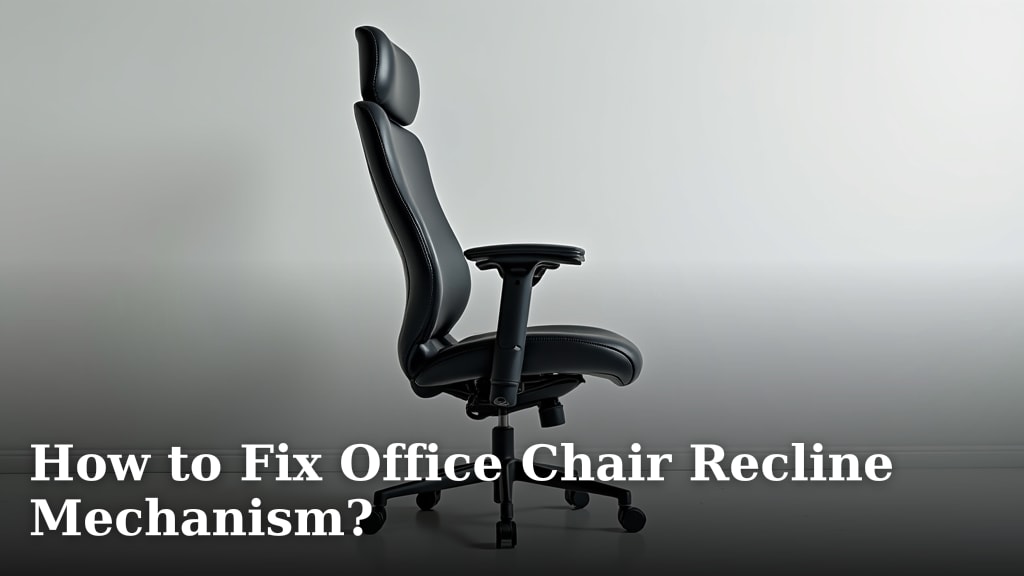
The easiest way to fix a stuck or broken recline mechanism is to first check and tighten the tension knob usually found under your seat. You’ll often find that simply adjusting this knob back to the factory specs solves the problem of not being able to recline or lock in position.
We found that most office chair recline issues stem from a few common culprits. These include a loose knob, a broken lever, or simply the natural wear and tear on the chair’s internal parts over time. The good news is that many of these fixes are straightforward and don’t require a professional.
- Start by locating and tightening the recline tension knob under your seat.
- Inspect the recline lever or paddle for any visible damage or loose connections.
- Check if the gas cylinder is fully engaged and secure at its base.
- If parts are broken, they can often be ordered and replaced without too much hassle.
- A little lubrication on moving parts can sometimes restore smooth operation.
Don’t worry, fixing your chair is usually a simple process. Below, we’ll walk through the most common solutions step-by-step so you can get your chair working again. Let’s work through it together.
Fixing Your Office Chair’s Recline Problems
You can often solve recline issues with a few simple tools and some patience. Most fixes involve adjusting or replacing small components under the seat.
Why Your Chair Won’t Recline: Common Culprits
Understanding what’s wrong is the first step. We found that three main parts usually cause trouble with reclining.
The Role of the Tension Knob
This knob controls how hard you lean back. If it’s too loose, the chair might not hold you upright. Too tight, and it won’t budge at all.
Many experts say adjusting this knob is the easiest fix for stiff recline mechanisms. A study from Cornell University highlighted ergonomic adjustments like this for workplace comfort.
Common Lever and Paddle Issues
The lever or paddle lets you lock the chair in place. It can get loose, bent, or broken from daily use.
Have you noticed it feels wobbly? That’s a sign of loose screws or worn plastic. Fixing this often prevents bigger problems later.
Gas Cylinder Complications
The gas cylinder controls height and sometimes recline stability. If it’s not secure, the whole chair can feel shaky.
Research from the National Institute for Occupational Safety and Health shows that unstable seating can affect posture and lead to discomfort over time.
Tools You’ll Need for the Fix
Gather these items before you start. You probably have most of them at home already.
- A Phillips-head screwdriver
- An Allen wrench set (common for office chairs)
- A can of silicone lubricant spray
- A soft cloth for cleaning
- Pliers (just in case)
- Replacement parts if needed
Step-by-Step Repair Guide
Follow these steps in order. They go from the simplest fixes to more involved repairs.
Adjusting the Tension Knob
Start here because it’s quick and often works. Locate the knob under your seat, usually near the front.
How to Turn It and What to Expect
Turn the knob clockwise to increase tension for more resistance. Turn it counterclockwise to loosen it for easier reclining.
Make small adjustments, like half-turns, then test the recline. You’re looking for a sweet spot where it feels smooth and supportive.
Fixing a Broken Recline Lever
If the knob adjustment doesn’t help, check the lever. Look for visible damage or loose parts.
Tightening Screws and Replacing Parts
Use your screwdriver to tighten any loose screws on the lever assembly. If the plastic is cracked, you may need to order a replacement part.
Many chair manufacturers sell these parts directly. We found that keeping your model number handy makes ordering a breeze.
Securing the Gas Cylinder
A loose cylinder can make reclining feel unstable. Check if it’s firmly seated in its base.
Checking the Base and Collar
Ensure the cylinder is fully inserted into the metal collar at the bottom of the seat. Sometimes, simply pushing down firmly on the seat while someone holds the base can reseat it.
According to guidelines from the American Society of Safety Professionals, a secure base is key for overall chair safety.
When Parts Are Broken: Replacement Tips
If something is visibly broken, don’t force it. Replacing the part is safer and more effective.
Order from the chair’s manufacturer or reputable office furniture suppliers. Use your chair’s model number, often found on a sticker under the seat.
Identifying Replaceable Components
Common replaceable parts include tension knobs, levers, gas cylinders, and recline mechanisms.
Compare your broken part to online images to ensure you get the right match. A simple photo can help when ordering.
Installation Basics
Most parts snap or screw into place. Follow the instructions that come with the new part.
Take photos before you remove the old part. This gives you a reference for how everything should fit back together.

Smooth Operation: Maintenance Tips
A little upkeep can prevent future issues. We found that regular maintenance extends chair life significantly.
Lubrication Best Practices
Apply silicone lubricant to moving parts like springs and hinges. Avoid using WD-40, as it can attract dust.
Do this every few months, or if you hear squeaking. Wipe away excess with a cloth to keep it clean.
Cleaning Moving Parts
Dust and grime can build up in the mechanism. Use a damp cloth to wipe the recline parts and knob regularly.
This simple step can keep everything moving freely. It’s like giving your chair a quick spa day.
When to Seek Professional Help
If the chair is under warranty, contact the manufacturer first. They might offer free repairs or parts.
For out-of-warranty chairs, a local furniture repair shop can help. They have tools and expertise for complex issues.
According to the Consumer Product Safety Commission, if the chair’s structure is compromised, it’s safer to replace it than to attempt a risky fix.
Quick Repair Checklist
Use this list to guide your troubleshooting session. It covers the most common fixes in order.
- Locate and adjust the tension knob under the seat.
- Inspect the recline lever for loose screws or damage.
- Check that the gas cylinder is securely seated in its base.
- Lubricate moving parts with silicone spray if they’re stiff.
- Order replacement parts if anything is broken beyond repair.
- Clean all components to remove dust and debris.
Maxim
Conclusion
Fixing your office chair’s recline mechanism is usually a straightforward process. You now know the most common culprits, from a simple tension knob adjustment to checking the gas cylinder or lever. We’ve walked through the tools you need and the steps for basic maintenance like lubrication. Remember, starting with the easiest fix saves you time and effort. Your next step is to grab your tools and start with that tension knob under your seat. Most likely, a quick adjustment is all it will take to get your chair reclining smoothly again.
Frequently Asked Questions
Can I use WD-40 on my squeaky office chair?
You should avoid WD-40 for chair mechanisms. It’s a solvent that can attract more dust and gunk over time. Use a silicone-based lubricant spray instead; it provides lasting lubrication without the sticky residue.
Where can I buy replacement parts for my office chair?
The best source is usually the chair’s original manufacturer. Use the model number from the sticker under your seat to find exact parts on their website. Reputable office furniture supply websites are also good options.
How tight should the tension knob be?
There’s no single “correct” tightness. It depends on your body weight and personal preference. Start by turning it until the chair feels stable when you sit, then adjust in small half-turns until reclining feels smooth and supportive.
Is it safe to sit in an office chair if it’s not locking properly?
A chair that doesn’t lock can feel unstable and may cause you to lose your balance. It’s best not to use it for long periods until the issue is fixed. The locking mechanism is a key safety feature for stable work support.
My chair reclines but won’t come back up. What’s wrong?
This often points to a problem with the gas cylinder or the internal spring mechanism. First, ensure the cylinder is fully seated and secure. If that doesn’t help, the internal components may be worn out and require professional repair or part replacement.
