How to Remove Office Chair Armrest Covers
To remove an office chair armrest cover, check how it attaches, then release its fasteners gently. Use the chair manual where available, and stop if the cover resists or the arm begins to flex.
On this page (8 sections)
- How do you remove an office chair armrest cover?
- What type of cover attachment does your chair use?
- What tools should you use?
- How do you avoid damaging the cover or arm?
- What should you check before putting the cover back?
- What if the armrest itself is broken?
- Which parts help with this repair?
- How do you decide whether to remove the cover?
To remove an office chair armrest cover, identify its fasteners and release them gently, following the chair manual when available. Don't pry hard at the seam; stop if the cover bends, cracks, or pulls the arm with it.
Covers may snap on, slide over the arm, or attach with screws or clips. The right method depends on the chair, so inspect the cover before reaching for a tool.
How do you remove an office chair armrest cover?
Check the underside and edges for screws, clips, or a seam before trying to lift the cover. Remove only the fasteners that hold the cover, not bolts that secure the full arm to the seat.
- Move the chair to a clear, well-lit area and make sure it can't roll away.
- Check the chair manual for cover removal steps and approved tools.
- Inspect the underside, sides, and seams for screws or release tabs.
- Support the arm while you release the fasteners evenly.
- Lift or slide the cover in the direction its attachment allows.
- Keep screws and small pieces together for reassembly.
If the cover begins to flex sharply, stop. A tight seam can mean a hidden fastener or a cover that isn't designed to come off.
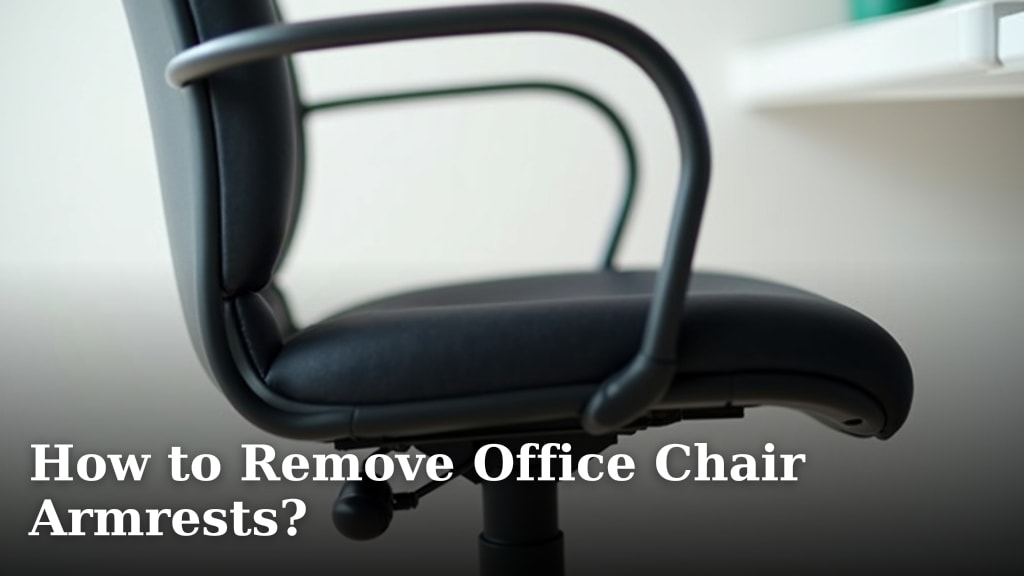
For removal of the whole arm, follow a different process. See how to remove office chair armrests before undoing the bolts that attach the arm to the chair.
What type of cover attachment does your chair use?
The attachment determines how the cover releases. Look closely before applying force, because snap tabs, screws, and slip-on covers need different handling.
Does the armrest cover have screws?
A screw-on cover may have fasteners underneath or along the inner edge of the arm. Use the correct driver and keep the screws together so you can put them back in their original holes.
Don't remove bolts that connect the arm to the seat unless the manual says the arm must come off first. If you can't tell which fastener holds what, pause and check the manufacturer's instructions.
Is the cover held by clips?
Some covers use small tabs that release when pressed or eased outward. Support the cover near each tab and work around it a little at a time instead of pulling from one corner.
Plastic clips can become brittle with age. If a tab doesn't move with light pressure, look for another fastener before trying again.
Does the cover slide or stretch over the arm?
A slip-on cover may pull away from the arm, while a flexible sleeve may need to be eased off from one end. Check for a lip, retaining edge, or separate pad that could catch as you move it.
Don't cut a cover off unless you intend to discard it and have checked that there's no wiring or other part beneath it. If the cover stays tight, find out whether it is attached or molded as part of the arm.
What tools should you use?
Use the tool specified in the chair manual, such as the correct screwdriver for a screw-on cover. For a clip-on cover, a plastic trim tool may help release a tab while limiting marks on the surface.
Set out a small container for screws and clips. Work over a clean area so small parts don't roll under furniture.
Avoid knives, metal prying tools, and pliers at the cover seam. They can slip, scratch the finish, or crack the cover, and extra force won't reveal a hidden fastener safely.
How do you avoid damaging the cover or arm?
Support the arm and release each attachment gradually. Pulling hard from one end can put more stress on one clip or seam than the cover can handle.
Keep the chair stable and work in good light. Don't lean your weight on the arm or twist it to create a gap.
If the cover doesn't move after the visible fasteners are released, check for another attachment point. Stop if the arm shifts, the plastic creaks, or the cover starts to whiten or bend.
Can you clean a cover after removing it?
You can clean a removable cover once you know what material it is and what care method the manufacturer allows. See how to clean desk chair armrests for material-specific cleaning guidance.
Use a soft cloth and mild cleaner only if the chair instructions permit it, and dry the cover before refitting.
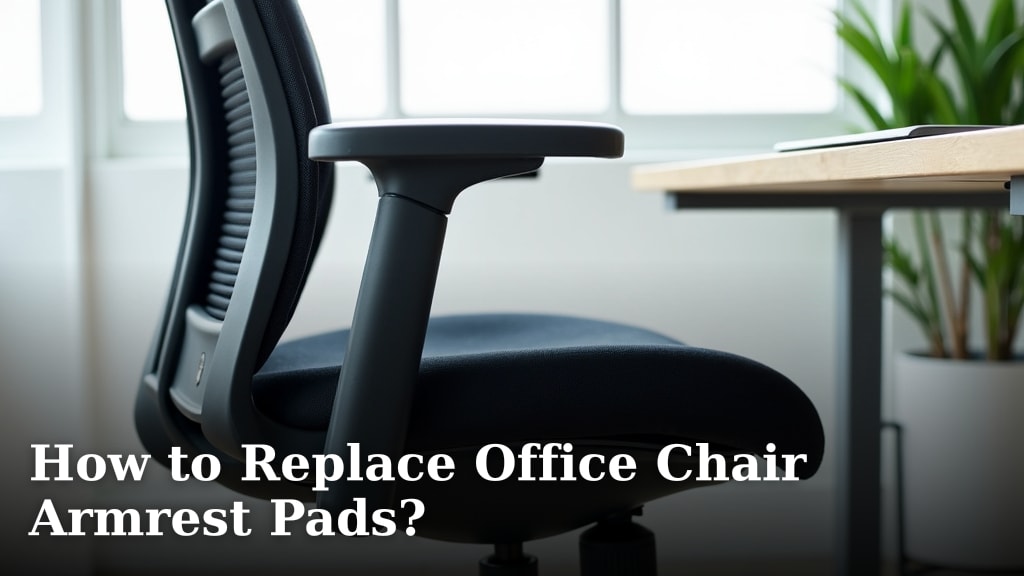
Keep liquid away from upholstery seams, moving joints, and any exposed openings. For a pad that's worn or damaged, how to replace office chair armrest pads explains the next step.
What should you check before putting the cover back?
Check that the cover and attachment points are clean, dry, and undamaged. Align each clip or screw hole before pressing the cover into place.
Refit screws by hand first, then tighten them only until secure. Overtightening can damage the fastener or the plastic around it.
Press clip-on covers evenly near their tabs. A cover that rocks, gaps, or lifts may not be fully seated, so check the alignment rather than forcing it down.
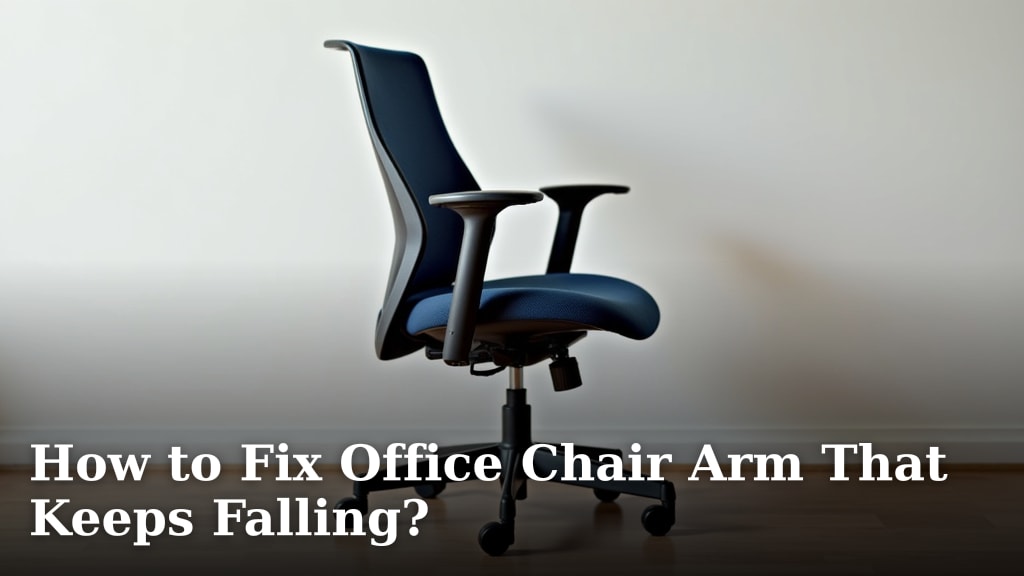
After refitting, rest your hand on the cover and move the arm gently. If the arm is loose or keeps shifting, use how to fix an office chair arm that keeps falling to check the arm attachment.
What if the armrest itself is broken?
A cracked cover and a loose or broken arm are different problems. Don't use a cover to hide damage that affects the arm's stability.
If the arm wobbles, a mounting point is damaged, or a fastener won't hold, see can you fix a broken office chair armrest? to assess repair options. Replace a cover only when the arm underneath is sound.
For a worn surface that doesn't need removal, office chair arm covers may be an option. Check how a new cover attaches and measure the arm before choosing one.
Which parts help with this repair?
A removable cover usually needs no replacement part if its fasteners are intact. These chair cylinders are relevant only if you are also repairing a sinking seat, not for removing or replacing an armrest cover.
The Office Oasis kit includes a chair cylinder, removal tool, gloves, and installation instructions. Use the chair maker's guidance for a cylinder repair, since it involves a different part of the chair.
The Omyoffice gas lift has a stated adjustable range of 5.5 inches. Check the chair's dimensions and compatibility before choosing a replacement cylinder.
Omyoffice gives a 50 mm outer cylinder diameter and 28 mm inner cylinder diameter for this model. Those measurements relate to the seat lift, so they won't help determine whether an armrest cover fits.
How do you decide whether to remove the cover?
For cleaning or replacement, remove the cover only when you can identify its release method and the chair is stable. Use light, even pressure and keep track of all fasteners.
If the cover is held by screws or accessible clips, follow the chair instructions and refit it securely. If it resists, the arm flexes, or the cover seems molded in place, stop and contact the chair maker for guidance.
For a cover replacement, follow how to replace office chair armrest pads. If the problem is the complete arm, start with how to remove office chair armrests and confirm the arm's condition before reinstalling it.
Frequently asked questions
Can you remove office chair armrest covers without removing the arms?
Often, yes. Covers that snap on, slide over, or attach with visible screws may come off while the arm stays on the chair.
Check the manual and inspect the underside first; if the cover is blocked by the arm or attached from below, you may need to remove the arm according to the chair's instructions.
How do you remove a tight office chair armrest cover?
First check for hidden screws or clips and confirm the cover is meant to come off. Release the fasteners evenly with the tool recommended by the manufacturer, then ease the cover away without twisting the arm.
If the plastic flexes sharply or the seam won't open, stop and check the manual.
Can I use a screwdriver to pry off an armrest cover?
Use a screwdriver only if the chair instructions call for it to release a fastener. Don't wedge it into the seam or lever against the cover, since that can mark or crack plastic.
A plastic trim tool may reduce surface scratches, but it can still damage a brittle cover if forced.
What should I do if the armrest cover won't come off?
Stop rather than pulling harder. Look for a screw beneath the pad, a concealed clip, or a cover that isn't designed to separate, then check the chair manual or contact its maker.
If the arm itself is loose or damaged, address that issue before trying to remove the cover.